
There’s something special happening in the world of PC gaming, and the numbers just proved it. While console and mobile platforms chase the next billion-dollar blockbuster, PC gamers have quietly built something different — a thriving ecosystem where hidden gems can actually pay the bills.
Advertisement“Analysts say PC gaming is now the one platform where more than 50% of revenue comes from games outside the top 20” — u/Turbostrider27 on r/pcgaming
This isn’t just a cool stat. It’s proof that PC gaming has become the last bastion for games that dare to be different.
Think about what this means. On every other platform — PlayStation, Xbox, Switch, mobile — the top 20 games gobble up most of the money. It’s a winner-takes-all world where Call of Duty and Fortnite rule everything. But PC gamers? They’re out there buying indie darlings, supporting niche simulators, and keeping weird experimental games alive.
This diversity isn’t an accident. It’s baked into PC gaming’s DNA. Steam’s discovery algorithms actually work. The platform doesn’t just shove AAA titles in your face — it learns what you like and suggests games you’ve never heard of. That farming sim with 200 reviews? That pixel art Metroidvania from a two-person team? Steam will find the people who’ll love them.
The wishlist system plays a huge part too. PC gamers are notorious for wishlisting dozens of games and waiting for sales. This creates a long tail where games can find their audience months or even years after release. Console players might forget about a game after launch week, but PC gamers have elephant memories and patient wallets.
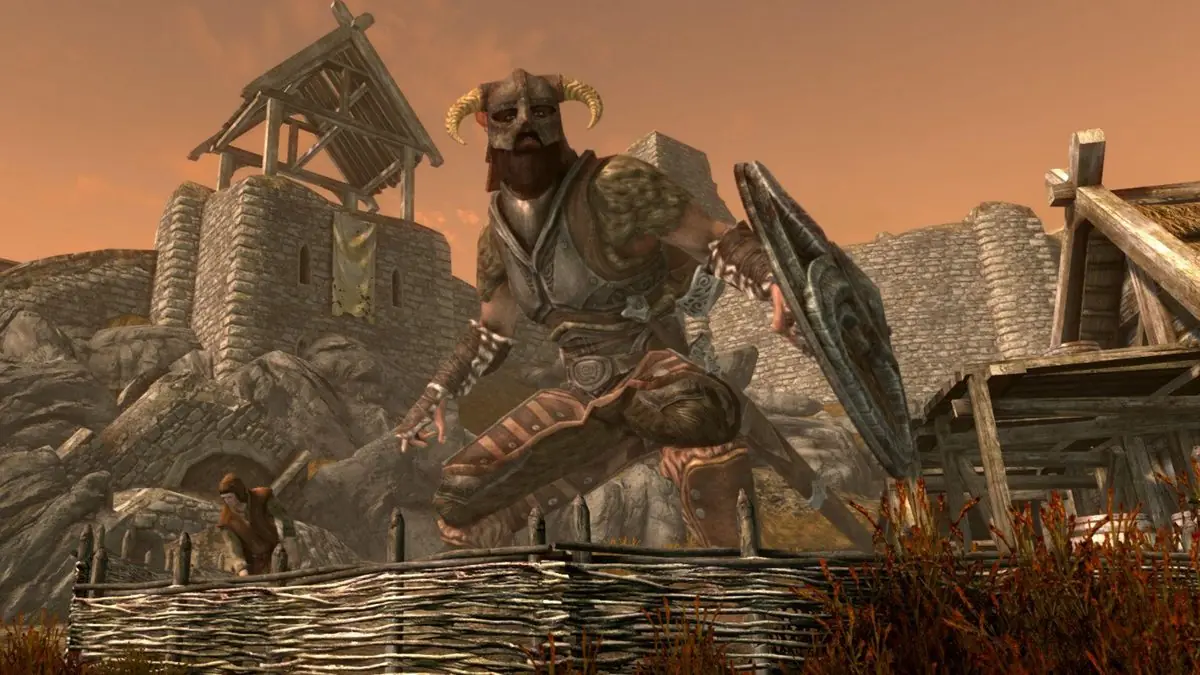
There’s also the modding culture. A mediocre game can become legendary with the right mods. Skyrim is still making money over a decade later, not because of Bethesda‘s updates, but because modders keep creating new stories. The platform rewards games that give players tools to tell their own tales.
This revenue split tells a story about community too. PC gaming forums, Discord servers, and Reddit threads buzz with recommendations for obscure titles. When someone asks for “games like X but different,” PC gamers deliver with lists of indie gems. Console communities tend to revolve around the same big franchises, but PC gaming celebrates the weird and wonderful.
For developers, this changes everything. On console, you either hit big or go home. Getting featured by Sony or Microsoft can make or break a game. But on PC, there are a thousand ways to succeed. You can build a loyal following, grow through word of mouth, and actually make a living without hitting the jackpot.
The numbers also reflect how PC gaming respects player agency. Console gaming often feels like being fed a diet of carefully chosen blockbusters. PC gaming is more like a massive buffet where you can fill your plate with whatever looks interesting. Players have more control over their experience, from graphics settings to mod support to choosing between dozens of storefronts.
This diversity creates a virtuous cycle. More variety means more niches get served. More niches means more developers try unique ideas. More unique ideas mean PC gaming stays fresh and innovative while other platforms chase the same proven formulas.
Looking ahead, this trend could reshape the entire industry. As development costs for AAA games spiral out of control, publishers are realizing that the safe bet isn’t always the smart bet. PC gaming proves there’s real money in serving underserved audiences and supporting creative risks.
The platform’s openness also means it’s perfectly positioned for emerging trends. VR gaming, AI-generated content, blockchain integration — whatever comes next will probably find its footing on PC first, where developers can experiment without corporate gatekeepers.
For gamers, this means PC will likely stay the platform of choice for anyone who wants more than just the latest mainstream hits. It’s where stories get told that wouldn’t get told anywhere else, where developers take risks that wouldn’t fly on locked-down platforms.
The 50% statistic isn’t just about money — it’s about the soul of gaming. PC gaming has proven that diversity isn’t just nice to have, it’s profitable. In a world where every other platform seems to be converging on the same few mega-franchises, PC stands alone as the place where the long tail wags the dog.
And honestly? That’s exactly how we like it.