Another day, another delay in the gaming world. But when it comes to indie titles, these postponements often tell a deeper story about the creative process itself.
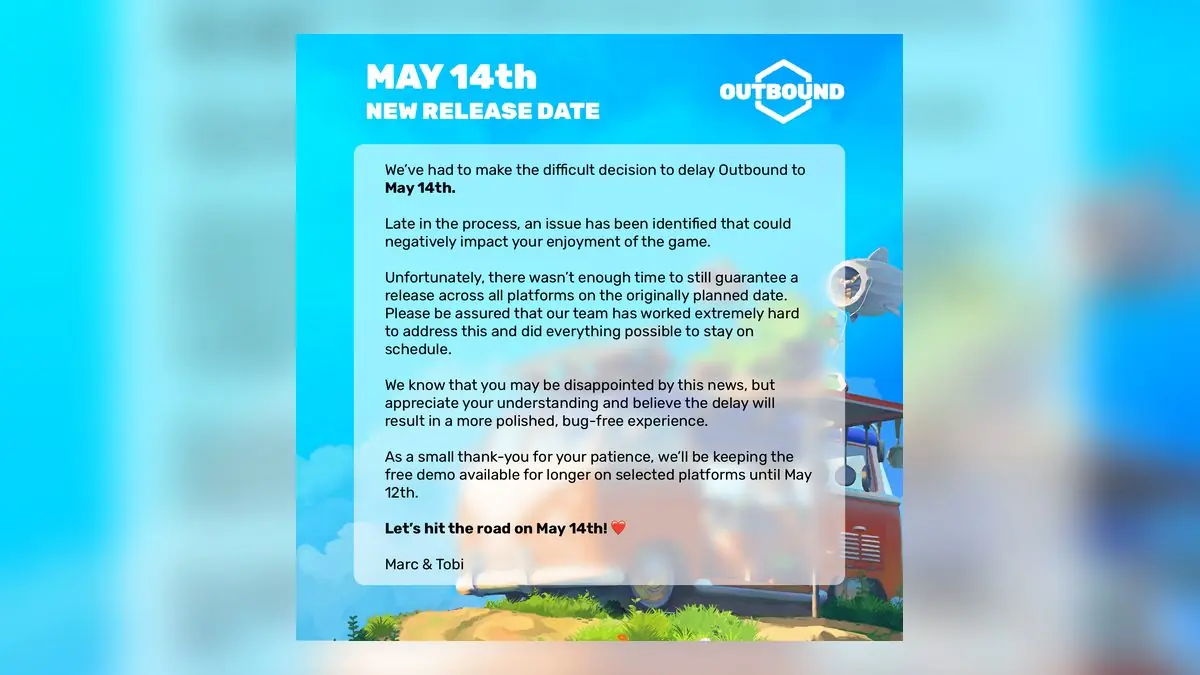
‘Outbound’ has officially been pushed back to May 14th, according to a recent announcement that surfaced in the gaming community. Like so many narrative-driven projects before it, this indie title is taking the extra time it needs to fully realize its vision.
“Outbound Delayed To May 14th” — u/Howerev on r/gaming
The news comes as no real surprise to those who’ve been following indie development cycles. Unlike the massive studios with armies of developers, indie teams often work with skeleton crews, pouring their hearts into every pixel and plot point. When you’re crafting a world from scratch, sometimes the story itself demands more time to breathe.
The Double-Edged Sword of Indie Delays
For indie developers, delays carry a different weight than they do for AAA studios. There’s no massive marketing machine to pivot, no shareholders breathing down necks. But there’s also no safety net. Every month of delay means more personal investment, more sleepless nights, and more faith that the final product will justify the wait.
The gaming community has largely grown to accept this reality. We’ve been burned too many times by rushed releases that felt half-baked, stories that ended abruptly, or worlds that felt empty despite their technical polish. The phrase “it’s done when it’s done” has become something of a rallying cry, especially for projects that promise to push creative boundaries.
The 2026 Pattern
Outbound joins a growing list of titles that have shifted their 2026 release windows. From massive blockbusters to intimate indie experiences, developers across the spectrum are choosing quality over arbitrary deadlines. It’s become almost a rite of passage in modern game development.
This trend reflects a maturation in the industry. Publishers and developers have learned hard lessons from launches that went sideways, from games that needed months of patches to become playable, from stories that felt incomplete at launch. The cost of releasing too early has proven far greater than the cost of waiting.
There’s something almost literary about this approach to game development. Like a novelist who refuses to publish until every chapter serves the greater narrative, indie developers are protecting their creative vision. They understand that in a crowded marketplace, you only get one chance to make that first impression.
What This Means for Players
For those eagerly waiting to dive into Outbound’s world, May 14th represents more than just a new date on the calendar. It’s a promise that when the game finally arrives, it will be the complete experience the developers envisioned. No day-one patches to fix critical story beats. No rushed endings that leave plot threads dangling.
The indie gaming space has taught us patience in ways the AAA industry sometimes struggles with. When a small team tells you they need more time, it usually means they’re polishing something special. They’re not adding more microtransactions or figuring out how to maximize engagement metrics. They’re fine-tuning the emotional beats, perfecting the world-building, ensuring every element serves the story they want to tell.
Looking Ahead
With May 14th now circled on calendars, Outbound enters its final stretch of development. This phase is often where games truly come alive. The core systems are in place, the story framework is solid, and now comes the delicate work of balancing, polishing, and perfecting.
For indie developers, this period is both exhilarating and terrifying. Every small detail matters when you’re working with limited resources. Every narrative choice carries weight when you can’t rely on spectacle to cover up shallow storytelling.
The gaming community will be watching as May approaches, not just for Outbound but for all the delayed titles that chose substance over speed. In an industry that often moves at breakneck pace, these delays remind us that the best stories are worth waiting for.
Whether Outbound will join the ranks of indie classics that justified their development time remains to be seen. But by choosing to delay rather than compromise, the developers have already made a statement about their priorities. In a world full of unfinished stories and rushed narratives, that commitment to completion feels almost revolutionary.