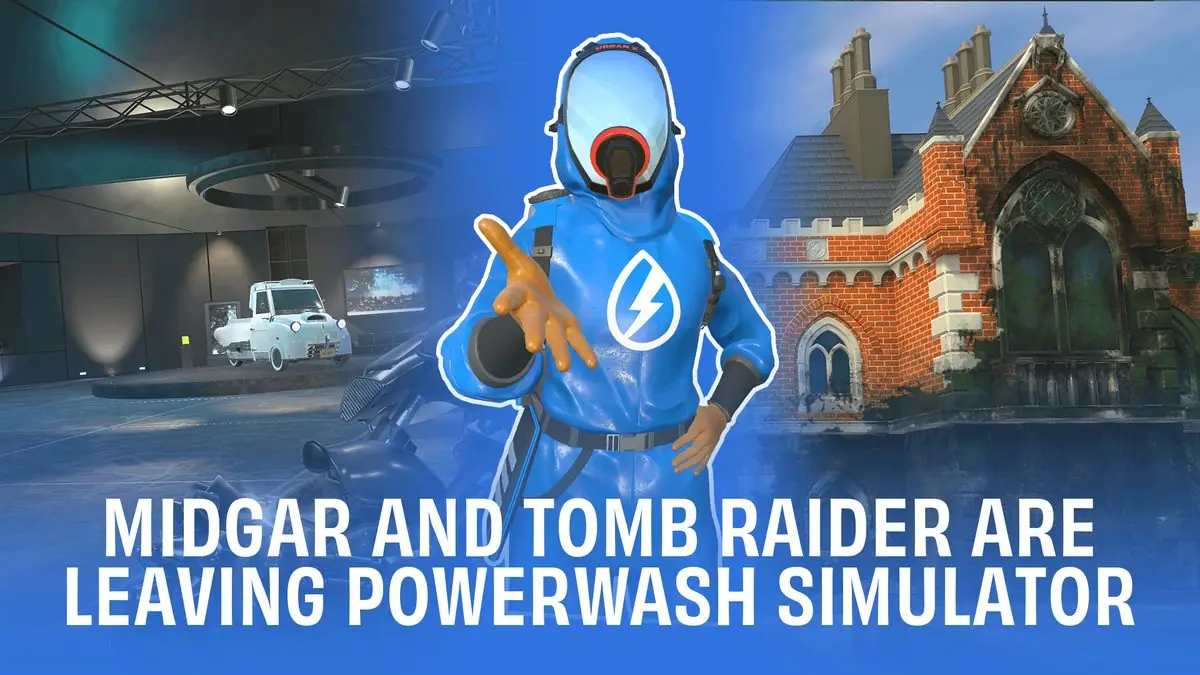
There’s something haunting about watching pieces of gaming history slip away into the digital void. Come May 19th, two special content packs that celebrate some of gaming’s most beloved stories will disappear from the Nintendo Switch eShop — and this time, there’s no phoenix down that can bring them back.
The Midgar Special Pack for Final Fantasy VII and the Tomb Raider Special Pack are both getting the axe in just over a month. But here’s the silver lining that’s got the Nintendo community talking: you can still claim these packs even if you don’t own the base games.
“Midgar Special Pack and Tomb Raider Special Pack are being delisted on May 19th. They can be claimed in the eShop, even if you don’t own the game.” — u/jardex22 on r/NintendoSwitch
This news hits different when you think about what these franchises represent in gaming’s grand narrative. Final Fantasy VII isn’t just a game — it’s the story that taught a generation about loss, identity, and fighting against impossible odds. Cloud’s journey through Midgar became a cultural touchstone, a shared mythology that connected players across the globe.
The Midgar Special Pack carries that legacy forward, offering players a piece of that iconic city’s atmosphere. When content like this disappears, it’s not just DLC vanishing — it’s like losing a chapter from a book that helped define who we are as gamers.
Tomb Raider tells an equally powerful story about transformation and discovery. Lara Croft evolved from a pixelated adventurer into a complex character whose journeys mirror our own growth as players. She taught us that heroes aren’t born — they’re forged through trials, setbacks, and the courage to keep moving forward.
These special packs represent more than just bonus content. They’re digital artifacts that capture specific moments in these franchises’ ongoing narratives. When they disappear, we lose those reference points that help us understand how these stories have grown and changed over time.
The fact that Nintendo is letting players claim these packs without owning the base games feels like a small act of preservation. It’s like the gaming equivalent of a library letting you check out a book even if you haven’t read the series yet. Maybe you’ll discover Final Fantasy VII later. Maybe you’ll dive into Tomb Raider years from now. At least you’ll have these pieces waiting for you.
But this situation also highlights a growing concern in our digital age. Physical games used to be permanent — that cartridge or disc was yours forever. Digital content exists at the mercy of licensing deals and corporate decisions. When something gets delisted, it becomes a ghost story that only those who were there can tell.
Think about all the digital content that’s already vanished. Games that shaped entire genres, DLC that expanded beloved worlds, special editions that offered unique perspectives on familiar stories. Each delisting is like burning a book — the knowledge and experience it contained becomes harder to access for future generations.
The storytelling implications run deeper than just availability. These special packs often contain concept art, behind-the-scenes content, and developer commentary that reveals the creative process behind these narrative worlds. When this material disappears, we lose insight into how these stories were crafted and why certain creative decisions were made.
For aspiring game developers and storytellers, this kind of content serves as a masterclass in world-building and character development. Watching it vanish feels like losing access to a university’s worth of creative education.
The Nintendo Switch has become home to countless ports and remasters that preserve gaming’s greatest stories for new audiences. But preservation isn’t just about keeping games playable — it’s about maintaining the complete cultural context that surrounds these experiences.
As we move toward an increasingly digital future, the gaming industry needs to think more carefully about legacy and preservation. These aren’t just products being discontinued — they’re pieces of our shared cultural narrative that deserve protection.
So if you’re a Nintendo Switch owner, consider claiming these packs before May 19th. Even if you’ve never touched Final Fantasy or Tomb Raider, you’ll be preserving a small piece of gaming history. And who knows? Maybe years from now, when you’re looking for your next great adventure, these forgotten treasures will be waiting to tell you a story you never knew you needed to hear.
The digital age has given us unprecedented access to stories and experiences, but it’s also made those experiences more fragile than ever. Every delisting is a reminder that the stories we love require active protection — not just from developers and publishers, but from all of us who believe these narratives matter.