The same songs always top the lists. Green Hill Zone’s bouncy optimism. One Winged Angel’s orchestral menace. Final Fantasy‘s sweeping melodies. These tracks earned their legendary status, but they’ve also become the gaming equivalent of classic rock radio – beloved, but predictable.
One gamer decided to shake things up with a simple challenge that’s resonating across the community.
“What are your guy’s favorite video game soundtracks from the last 10 years. Every time I see a list thats like ‘best sound tracks of all time’ or ‘most iconic video game sound tracks’ number 1 is always Green Hill Zone or One Winged Angel or something, don’t get me wrong, these tracks are great, but I’m tired of the same lists. so lets shorten the list to just the last 10 years.” – XenoBurst on r/gaming
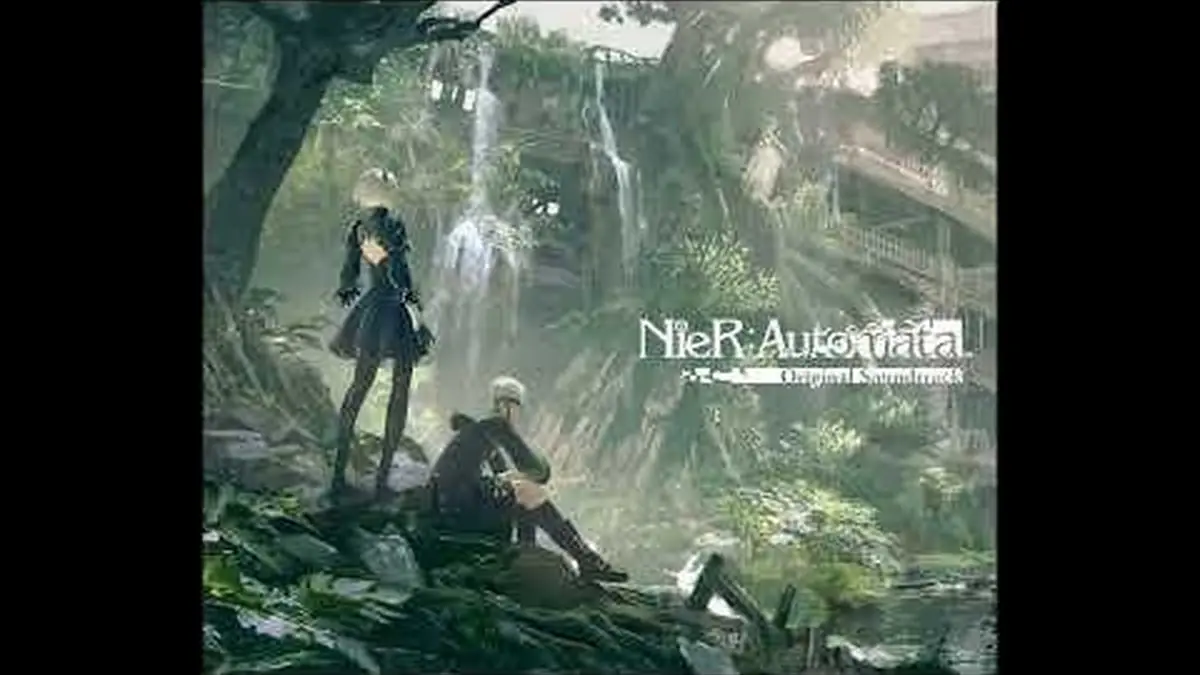
Their top picks tell a story about where gaming music has evolved. NieR: Automata’s “City Ruins – Rays of Light” takes the crown, followed by Hades II’s “Olympus Aflame.” Both tracks represent something deeper than just memorable melodies – they’re emotional anchors for their respective narratives.
NieR: Automata’s soundtrack doesn’t just accompany the action – it becomes part of the story’s DNA. “City Ruins” captures the melancholy beauty of a world where nature reclaims civilization while androids search for meaning. The track shifts and breathes with your exploration, creating moments where you stop moving just to listen. It’s Yoko Taro’s storytelling philosophy made audible: beauty persists even in endings.
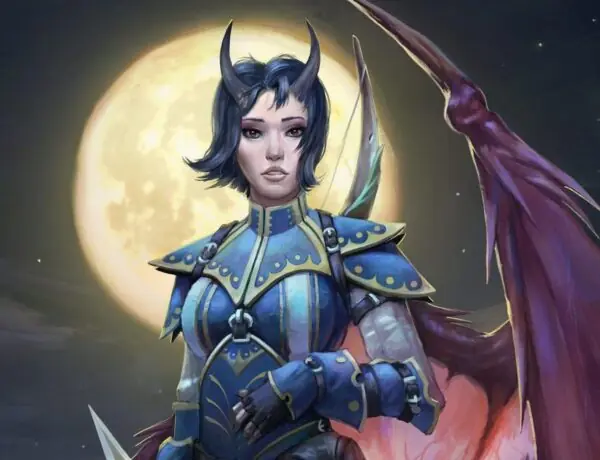
Hades II’s “Olympus Aflame” represents the new generation of game composers understanding that music can carry character development. Darren Korb’s composition doesn’t just set the mood for Melinoe’s journey – it reflects her internal struggle between shadow and light, duty and rebellion.
This fresh perspective reveals how dramatically game music has matured. The last decade brought us composers who think like narrative architects. Austin Wintory crafted Journey’s wordless emotional language. Jessica Curry painted Dear Esther’s haunting landscapes. Lena Raine gave Celeste’s anxiety a voice through her crystalline melodies.
These modern composers understand that great game music doesn’t just loop – it evolves. It responds to player actions, story beats, and emotional rhythms. The technology finally caught up to the ambition, letting dynamic music systems create unique moments that feel both composed and spontaneous.
The move away from all-time lists also reflects gaming’s cultural maturation. Players aren’t just nostalgic for childhood anymore – they’re actively engaging with music as an art form. The conversation isn’t “what reminds me of being twelve?” but “what moved me recently?”
This shift matters because it validates the incredible work happening right now. Composers like Stephanie Economou (Assassin’s Creed Valhalla), Sarah Schachner (Call of Duty series), and Hildegard von Bingen (okay, she’s been dead for centuries, but her influence on indie game music is real) are pushing boundaries while the gaming press still defaults to the same nostalgic picks.
The honorable mentions – “Rock and A Hard Place” from Hades II and “Amusement Park” from NieR – further prove the point. These aren’t just pretty songs. They’re moments where music and meaning converge. “Amusement Park” turns a creepy carnival into a meditation on abandoned joy. “Rock and A Hard Place” makes every failure in Hades feel like part of an epic poem.
What’s exciting is how this conversation could reshape gaming discourse. Instead of rehashing the same canonical picks, we might start celebrating the composers defining gaming’s current golden age of music. The industry is finally treating game music with the respect it deserves – Grammy nominations, symphony performances, vinyl releases.
The next step is obvious: more lists focusing on recent brilliance. What were the best tracks of 2024? Which composers are pushing interactive music forward? How are indie developers using procedural music generation? These conversations matter more than another ranking of Nobuo Uematsu’s greatest hits.
Music shapes how we remember our virtual journeys. Maybe it’s time our playlists caught up to our experiences.