Gaming’s gotten way better at accessibility over the past decade. Colorblind options, subtitle customization, motor accessibility features are all pretty much standard now. But there’s still one group of players getting overlooked, and honestly, it’s pretty ridiculous in 2026.
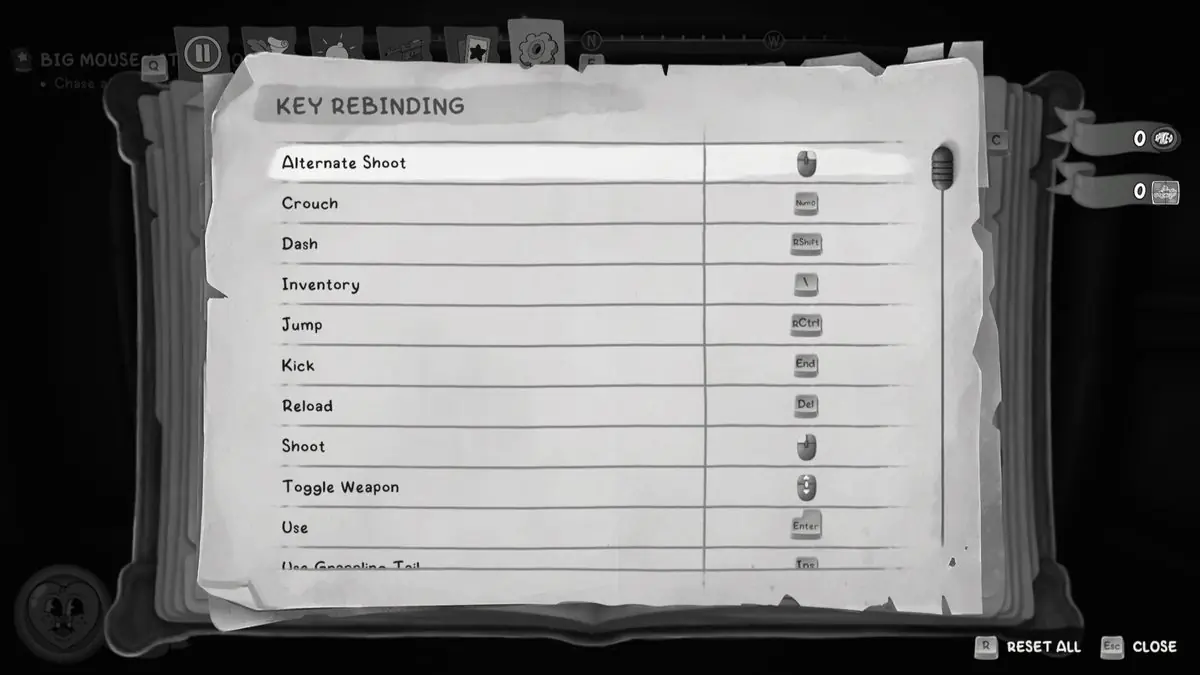
Left-handed PC gamers who prefer arrow keys over WASD are still fighting for basic rebinding options that should’ve been standard years ago. The issue popped up again this week in a PC gaming discussion showing just how far behind the industry still is.
“More modern games need to allow left-handed players the ability to rebind controls to the arrow keys.” – u/JayRam85 on r/pcgaming
The complaint might sound minor to right-handed players who’ve never thought about it. But for roughly 10% of the population, standard WASD layouts create real comfort and performance issues. Arrow keys offer a natural alternative that puts movement controls under the dominant hand, with the mouse handled by the non-dominant left hand.
The broader accessibility conversation in gaming has focused heavily on visual and auditory accommodations. Microsoft‘s Xbox Adaptive Controller launched in 2018 to massive praise. Sony added comprehensive accessibility options to the PS5 interface. Even Nintendo has improved Switch accessibility features in recent updates.
But control customization, the most basic accessibility need, remains inconsistent across the industry. Some games offer full remapping. Others lock certain keys. Many provide WASD alternatives for movement but forget about secondary actions mapped to nearby keys.
Arrow key issues hit hardest in strategy games, RPGs, and indie titles where complex control schemes matter most. Major AAA studios have gotten better at this, but mainly because they can afford extensive QA testing that catches these gaps.
Arrow keys were actually the standard for PC gaming movement before WASD took over in the early 2000s. The shift happened because WASD offered more surrounding keys for additional actions, crucial for increasingly complex games. But the industry largely abandoned arrow key support instead of maintaining both options.
This mirrors broader accessibility challenges in game development. Features that benefit smaller groups often get deprioritized during crunch periods when teams focus on core functionality. It’s not malicious, just a resource allocation problem that consistently impacts the same communities.
The technical side isn’t complex. Modern game engines handle input mapping fairly easily. Unity, Unreal, and other popular platforms include rebinding systems as standard features. The issue is usually design oversight rather than technical limitation.
Some developers have gotten creative with solutions. Certain RPGs now offer preset control schemes for different hand preferences. Racing games increasingly include alternative layouts. But these remain exceptions rather than industry standard practice.
The conversation also connects to larger questions about inclusive design in gaming. When developers build for the majority use case, minority needs often become afterthoughts. Left-handed arrow key users join a long list of communities, including players with various disabilities, pushing for better representation in game design decisions.
Hardware manufacturers have responded better than software developers. Gaming keyboards increasingly offer arrow key clusters designed for serious gaming. Mechanical switches, RGB backlighting, and ergonomic positioning show hardware makers recognize this market.
The industry’s accessibility guidelines keep evolving, but control customization deserves more attention in these standards. Platform certification requirements could easily include basic remapping functionality. Console manufacturers already mandate certain accessibility features. Control options should join that list.
The issue will likely improve through platform-level solutions rather than individual developer awareness. Steam‘s input system already offers system-wide remapping for many games. Console makers could implement similar universal rebinding options that work regardless of individual game support.
The most direct solution remains developer education and better accessibility testing. Including left-handed testers in QA processes would catch these issues before launch. Industry accessibility consultants already offer this service. Studios just need to prioritize it in development budgets.
The arrow key discussion represents something bigger about inclusive game design. Small accommodations that cost little to implement can dramatically improve experiences for underserved player communities. In 2026, there’s no excuse for overlooking something this basic.