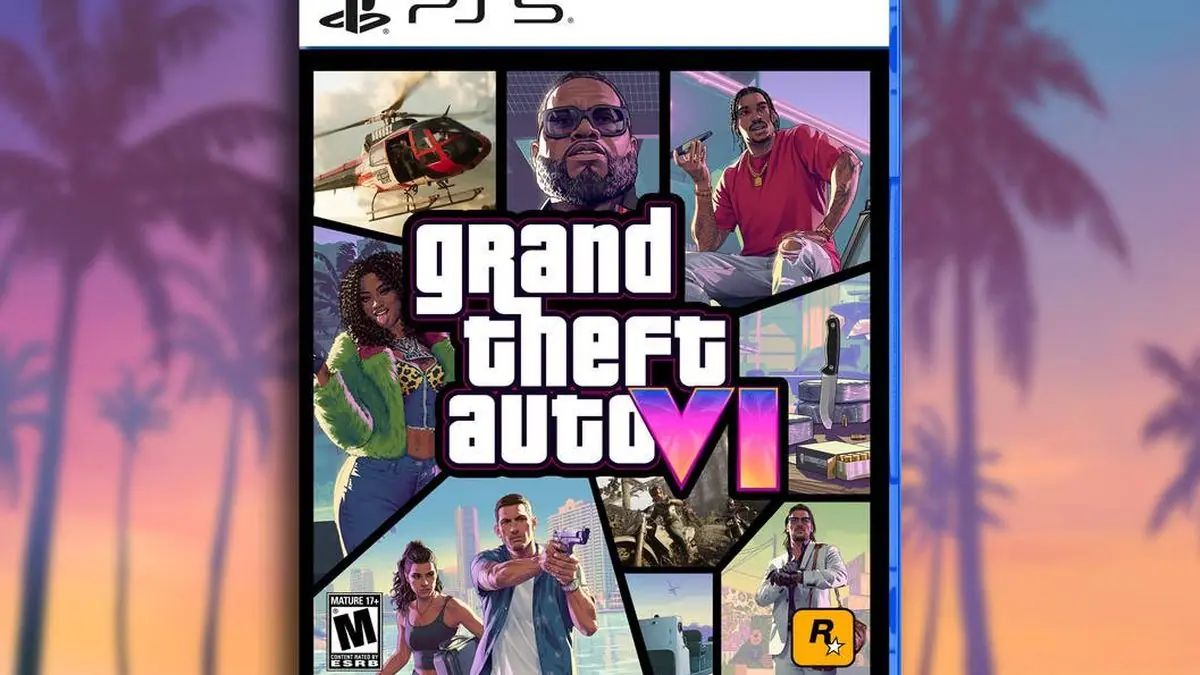
The gaming community’s collective patience with Rockstar Games appears to be reaching a breaking point. After months of radio silence on Grand Theft Auto VI, fans are making bold predictions about when the developer will finally break their communications blackout.
Meanwhile, speculation has coalesced around a specific timeframe. Industry observers and dedicated fans alike are pointing to May 2026 as the month Rockstar will finally address the elephant in the room.
“Rockstar’s silence will end soon. We’re either getting delay announcement next month (which I highly doubt) or trailer 3 & pre orders. I can’t wait to actually start playing this game and stop all the speculations.” – @Keemotionx
The sentiment reflects a broader exhaustion within the gaming community. What began as excited anticipation has gradually transformed into a more measured – and notably impatient – wait for concrete information.
This speculation isn’t emerging in a vacuum. Rockstar’s communication strategy has historically followed predictable patterns, particularly during major release cycles. The studio tends to maintain strict information control until they’re ready to flood the market with coordinated marketing campaigns.
Notably, the community has narrowed expectations down to two primary scenarios. The optimistic camp expects Trailer 3 alongside the opening of pre-orders – a combination that would signal the game’s approach to its final marketing phase. The pessimistic faction anticipates a delay announcement, though even skeptics acknowledge this seems less likely given the investment and anticipation surrounding the project.
The bifurcated expectations reveal something important about where GTA VI stands in its development cycle. Unlike typical game announcements where delays feel almost inevitable, this project carries enough weight that even potential setbacks feel monumental.
Rockstar’s track record provides some context for the current speculation. The studio has never been particularly communicative during development cycles, preferring to let finished products speak for themselves. This approach served them well with previous Grand Theft Auto releases, where marketing campaigns were relatively compressed but incredibly effective.
Meanwhile, the broader industry landscape has shifted dramatically since GTA V’s 2013 release. Player expectations for communication transparency have increased significantly, creating tension between Rockstar’s traditional approach and modern gaming culture’s demand for regular updates.
The economic implications of this silence are substantial. GTA VI represents potentially the largest entertainment launch in history, with industry analysts projecting record-breaking sales figures. Every additional month of uncertainty creates ripple effects throughout the gaming ecosystem.
Publishers and developers are watching Rockstar’s approach carefully. The success or failure of their current communication strategy could influence how major studios handle future blockbuster announcements. A successful minimal-communication approach might validate traditional marketing wisdom, while community backlash could push the industry toward more transparent development practices.
Notably, the technical landscape has also evolved since GTA V. Current-generation consoles offer capabilities that weren’t available during the previous game’s development, potentially allowing Rockstar to showcase features that justify the extended development timeline.
The speculation around pre-order availability alongside a potential trailer release suggests the community expects Rockstar to move quickly from announcement to availability. This compressed timeline would be consistent with modern gaming marketing, where the gap between major announcements and release dates has generally shortened.
Industry veterans point out that Rockstar’s silence might actually be strategic positioning. By maintaining mystery while competitors release increasingly detailed development updates, they’re ensuring GTA VI dominates conversations when they do break their silence.
The community’s shift from excitement to impatience reflects broader changes in gaming culture. Players have grown accustomed to regular content drops, development blogs, and behind-the-scenes access. Rockstar’s approach feels increasingly anachronistic in this context.
Looking ahead, May 2026 has become an unofficial deadline in the community’s collective consciousness. Whether Rockstar meets these expectations – or continues their silence – will likely determine how the gaming community approaches future major announcements from traditionally secretive developers.
The stakes couldn’t be higher. GTA VI isn’t just another game release; it’s a cultural event that will influence gaming trends for years to come. How Rockstar handles these final months before potential announcement could set precedents for the entire industry’s approach to blockbuster marketing.