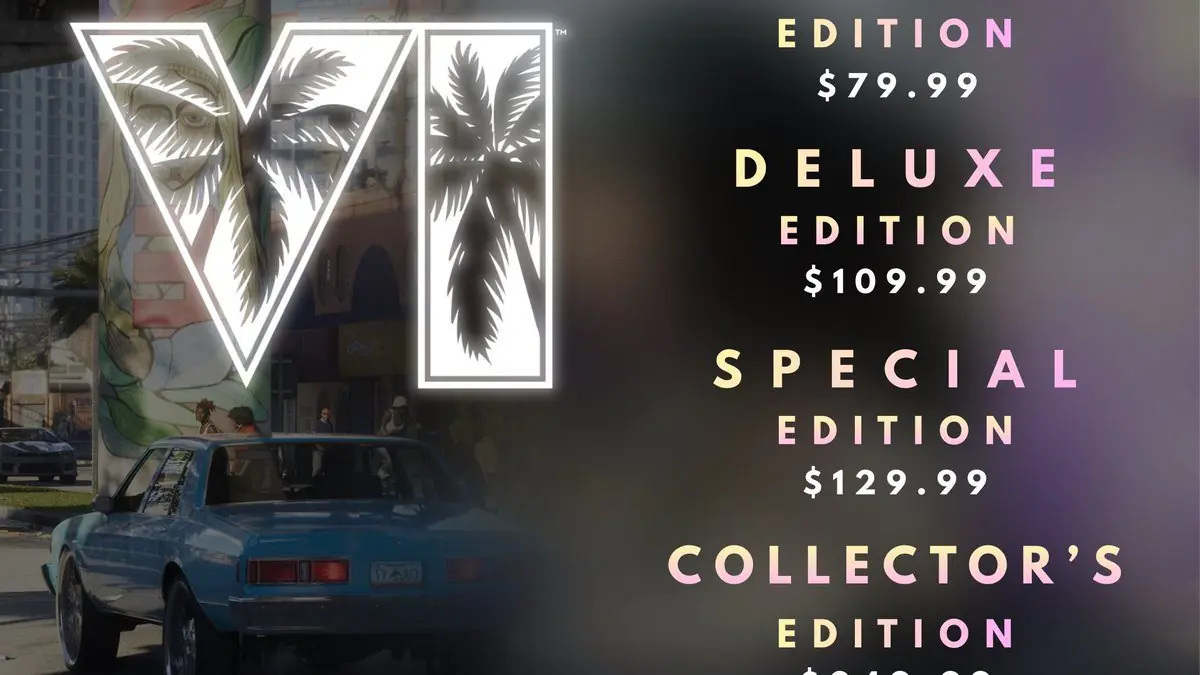
Grand Theft Auto 6 is heading toward a $79.99 price tag for its Standard Edition. The news puts Rockstar‘s highly anticipated sequel at the forefront of gaming’s ongoing pricing evolution. Official details haven’t dropped yet. But industry watchers are already calling this move inevitable.
The $80 price point represents more than just inflation. It signals a fundamental shift in how publishers value their biggest releases. Meanwhile, fans are weighing whether their most wanted game justifies the premium cost.
“GTA 6 Standard Edition is widely expected to be priced at $79.99 as pricing details are set to be revealed soon. Would you pay $80 for GTA 6?” – @gtasix_
The community response has been predictably mixed. Some players view the price as reasonable for a game they’ve waited over a decade to play. Others worry this sets a dangerous precedent for future releases.
Rockstar commands unique leverage in this discussion. Grand Theft Auto 5 generated over $8 billion in revenue since 2013. No other franchise carries that kind of commercial weight. The studio can essentially charge whatever it wants.
Notably, this pricing strategy didn’t happen overnight. Publishers have been testing higher price points since the PlayStation 5 launched in 2020. Sony led the charge with $70 first-party titles. Activision followed with Call of Duty. EA jumped in with sports games.
The $79.99 mark represents the next logical step. It’s a psychological barrier that few publishers have dared cross. Rockstar might be the first major studio with enough clout to make it stick.
Meanwhile, the broader gaming market is grappling with rising development costs. Modern AAA games routinely cost $100-300 million to produce. Marketing budgets often match or exceed those figures. Publishers argue that $60 pricing hasn’t kept pace with inflation or production expenses.
The math supports their position to some extent. A $60 game in 2005 would cost about $95 today when adjusted for inflation. Yet most AAA titles have held steady at $60-70 for years. Something had to give eventually.
Rockstar’s track record makes this pricing decision particularly significant. The studio doesn’t release games annually like other major publishers. Each title represents years of development and massive investment. GTA 6 has been in production for nearly a decade.
The game also carries enormous expectations. It needs to surpass one of the best-selling entertainment products in history. That pressure justifies premium pricing in many fans’ minds.
However, the $80 price point could backfire if the game disappoints. Cyberpunk 2077 taught the industry that high prices amplify criticism when launches go wrong. Rockstar can’t afford a repeat of that scenario.
The pricing debate also highlights gaming’s growing accessibility problem. Higher prices push gaming further toward luxury entertainment. That’s concerning for an industry built on broad appeal and cultural relevance.
Notably, this trend affects different regions unequally. International markets often see even steeper price increases due to currency fluctuations and import costs. A $80 US price could translate to $120 or more in other countries.
Digital distribution complicates the picture further. Publishers save money on physical production and retail cuts. Yet digital prices rarely reflect those savings. Consumers increasingly question why they pay the same for bits as for physical goods.
The timing of Rockstar’s pricing announcement will be crucial. Revealing a $80 price too early could dampen excitement. Waiting too long might catch pre-order customers off guard. The studio needs to balance transparency with marketing momentum.
Competitors are watching this experiment closely. If GTA 6 succeeds at $79.99, expect other major publishers to follow suit quickly. The industry often moves in lockstep on pricing decisions.
Meanwhile, alternative business models continue gaining traction. Game Pass and PlayStation Plus offer different value propositions. These services could become more attractive as individual game prices climb higher.
The success or failure of GTA 6’s pricing strategy will likely determine industry standards for the next console generation. Rockstar isn’t just selling a game. They’re testing how much the market will bear for premium entertainment.
Whether fans embrace or reject this pricing will shape gaming’s economic future for years to come.