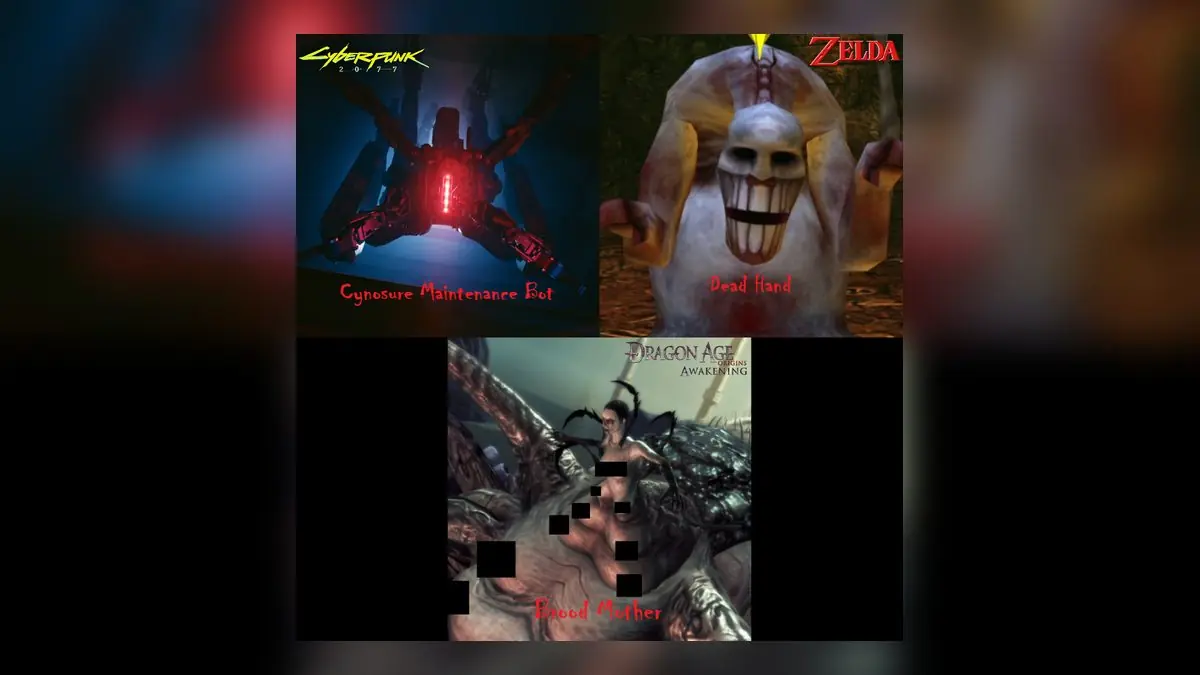
There’s nothing quite like thinking you’re safe, then having your soul ripped from your body by a game that wasn’t supposed to scare you.
A Reddit post that blew up this week perfectly captures something developers have been exploiting for years. The simple statement “Love when a non-horror game introduces horror elements” struck a nerve with over a thousand gamers who know exactly that feeling.
“Love when a non-horror game introduces horror elements” — u/jdawg1018 on r/gaming
The post exploded because it’s true. We all remember that first time we heard a cave sound in Minecraft. Or when we realized we weren’t alone in Subnautica’s depths. These moments stick with you because they catch you completely off guard.
It’s psychological warfare, and we love it.
Most horror games telegraph their scares. You boot up Resident Evil knowing you’re going to get jumped. But when you’re peacefully building your dream house in Animal Crossing and Tom Nook starts acting sus? That hits different.
The gaming community has been sharing their favorite “oh hell no” moments. Minecraft tops most lists. Those cave sounds weren’t an accident – they were designed to make your skin crawl while you’re just trying to mine some coal. Subnautica players still get PTSD from Reaper Leviathan encounters. And don’t get anyone started on the first time they saw a Guardian in Zelda: Breath of the Wild.
Even family-friendly games get in on the action. Nintendo‘s been doing this for decades. Ever notice how many Mario levels have that creepy underwater music? Or how Kirby games randomly throw existential horror at you between rainbow levels?
Some purists think this ruins the “safe space” these games provide. They want their cozy games to stay cozy. Fair enough – not everyone signed up for jumpscares in their farming simulator. But most players see it as good design. It keeps you on your toes.
The trick is balance. Too much and you’ve made a horror game. Too little and you’ve missed the chance to create something memorable.
This works because of contrast. Horror is most effective when it breaks expectations. A scare in a horror game is just Tuesday. A scare in your peaceful puzzle game? That’s an event. Your brain remembers disruptions to patterns, and good developers know how to use that.
It’s also about trust. We trust these “safe” games, so we lower our guard. That’s when they strike. It’s brilliant and slightly evil, which makes it perfect game design.
The Reddit thread proves this isn’t just nostalgia talking. New games are still doing this right. Outer Wilds hit players with cosmic horror disguised as exploration. Spiritfarer dealt with death and loss while looking like a cute management sim. Hell, even Fall Guys managed to be terrifying when everyone’s chasing you at the finish line.
Developers take note: players want to feel something. They want moments that make them put down the controller and think “what the hell just happened?” Those are the moments that get shared on social media and stick in memory long after the credits roll.
The best non-horror games understand that comfort and terror aren’t opposites – they’re dance partners. One makes the other more powerful. Your peaceful moments feel more peaceful because you know something could go wrong. Your scary moments hit harder because you weren’t ready for them.
This trend isn’t going anywhere. If anything, we’ll see more games playing with genre expectations. Developers are getting better at reading the room and knowing when to pull the rug out from under players.
The smartest studios will study what makes these moments work. It’s not about cheap jumpscares – it’s about emotional contrast and timing. Build trust, then carefully break it. Make players feel safe, then remind them they never really were.
Watch for more games to blur these lines. The indie scene especially loves subverting expectations. And with horror elements becoming a selling point rather than a warning label, we might see “cozy horror” become its own genre.
Just remember to save your game before exploring that suspiciously quiet area. Trust us on this one.