The escape room genre just got a lot more unsettling. Fragments In Situ launched on Steam today, and it’s not your typical puzzle game. While most escape rooms focus on clever mechanics and satisfying solutions, this indie title from EIS Games asks a more disturbing question: what if the puzzles aren’t just games?
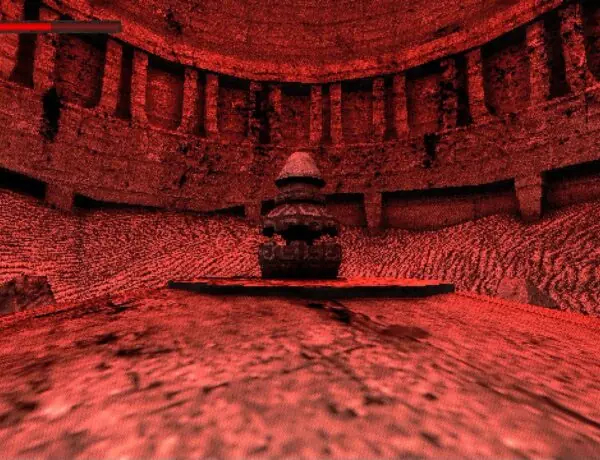
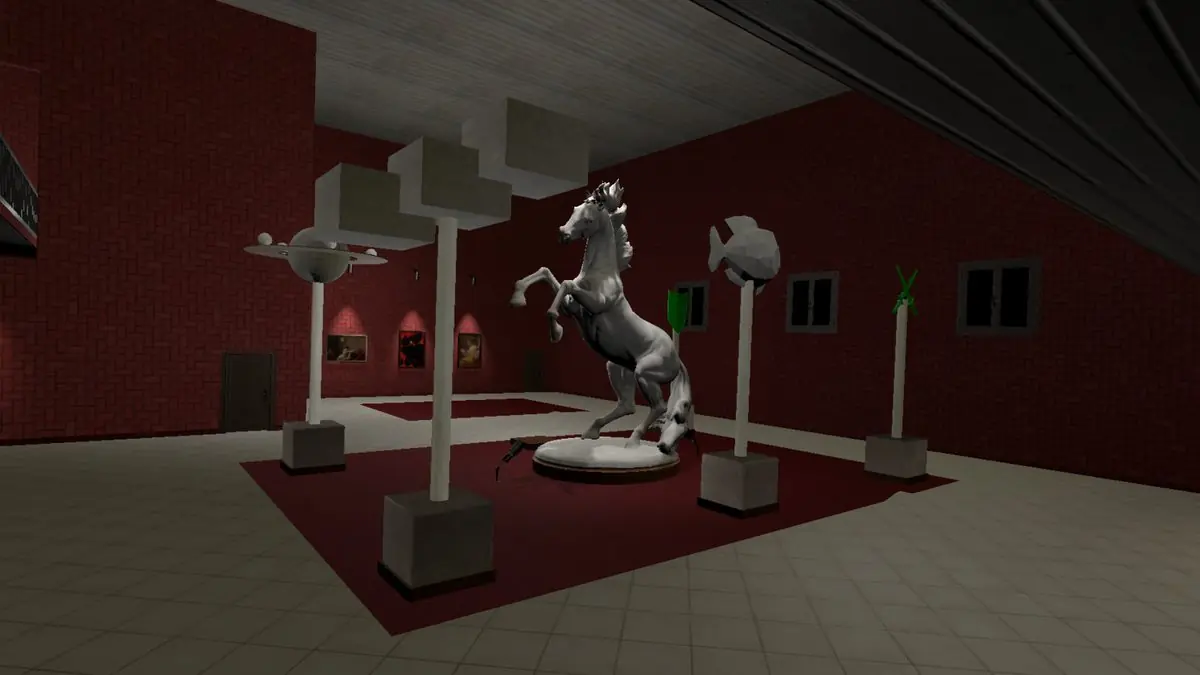
“Fragments in Situ is a psychological escape room where nothing is exactly what it seems. You will break into houses to steal valuable objects, solving puzzles and discovering increasingly strange and unsettling spaces as you progress. But as you move forward, a question begins to emerge: Do these puzzles represent something more?” – Fragments In Situ on Steam
The core gameplay loop sounds straightforward enough. You break into houses. You solve puzzles. You steal valuable objects. But EIS Games clearly has bigger plans than simple burglary simulation. The developer openly admits they wanted to “create discomfort, confusion, and constant doubts about reality.”
That’s a bold approach for an escape room game. Most titles in this space focus on satisfaction – that perfect moment when a complex puzzle clicks into place. Meanwhile, Fragments In Situ seems designed to do the opposite. It wants players to feel unsure about their progress and question their understanding of the game world.
The psychological horror angle makes sense from an industry perspective. Indie developers have found success mixing genres that don’t traditionally belong together. We’ve seen farming sims with horror elements, puzzle games with existential dread, and cozy games with dark undertones. The escape room format provides a perfect framework for this kind of experimentation.
Notably, EIS Games chose to launch directly into ongoing development rather than treating this as a finished product. Their post-launch message promises “improvements, fixes, and new content” going forward. This approach has become increasingly common among smaller studios. Rather than spending years perfecting a game in isolation, developers can get player feedback early and iterate based on real usage.
The timing also works in their favor. Steam’s discovery algorithms tend to favor newly released titles, giving indie games a brief window of enhanced visibility. For a psychological thriller, that initial burst of attention can be crucial for building word-of-mouth momentum.
From a design standpoint, the house-breaking premise offers interesting possibilities. Unlike traditional escape rooms that place players in obviously artificial scenarios, breaking into real homes creates an immediate sense of transgression. You’re not supposed to be there. That underlying tension could amplify the psychological effects the developers are aiming for.
The question of whether these puzzles “represent something more” suggests a meta-narrative element. Maybe the protagonist isn’t really a burglar. Maybe the houses aren’t real. Maybe the entire premise is a metaphor for something deeper. That kind of unreliable narrator approach has worked well for psychological horror games in the past.
EIS Games deserves credit for their transparency about the game’s intent. Many developers hide their true vision behind marketing speak, but this team clearly stated they want players to feel uncomfortable and confused. That honesty sets appropriate expectations and attracts the right audience.
The escape room genre itself has been evolving beyond its physical origins. Digital versions can implement impossible physics, shifting environments, and narrative complexity that real rooms can’t match. Fragments In Situ appears to push those boundaries further by questioning the nature of the puzzles themselves.
Post-launch support will be crucial for this type of experimental game. Psychological horror often requires fine-tuning to hit the right balance between engaging and overwhelming. Player feedback during the early months can help developers adjust difficulty curves and narrative pacing.
Looking ahead, Fragments In Situ represents the kind of creative risk-taking that makes indie gaming exciting. Whether the psychological elements enhance or detract from the core puzzle mechanics remains to be seen. But EIS Games has created something that sounds genuinely different in a crowded market.
The developer’s commitment to ongoing updates suggests they view this launch as the beginning of a longer conversation with players. In the psychological horror space, that kind of iterative development can lead to genuinely memorable experiences. Meanwhile, escape room fans get another reason to question everything they think they know about the genre.