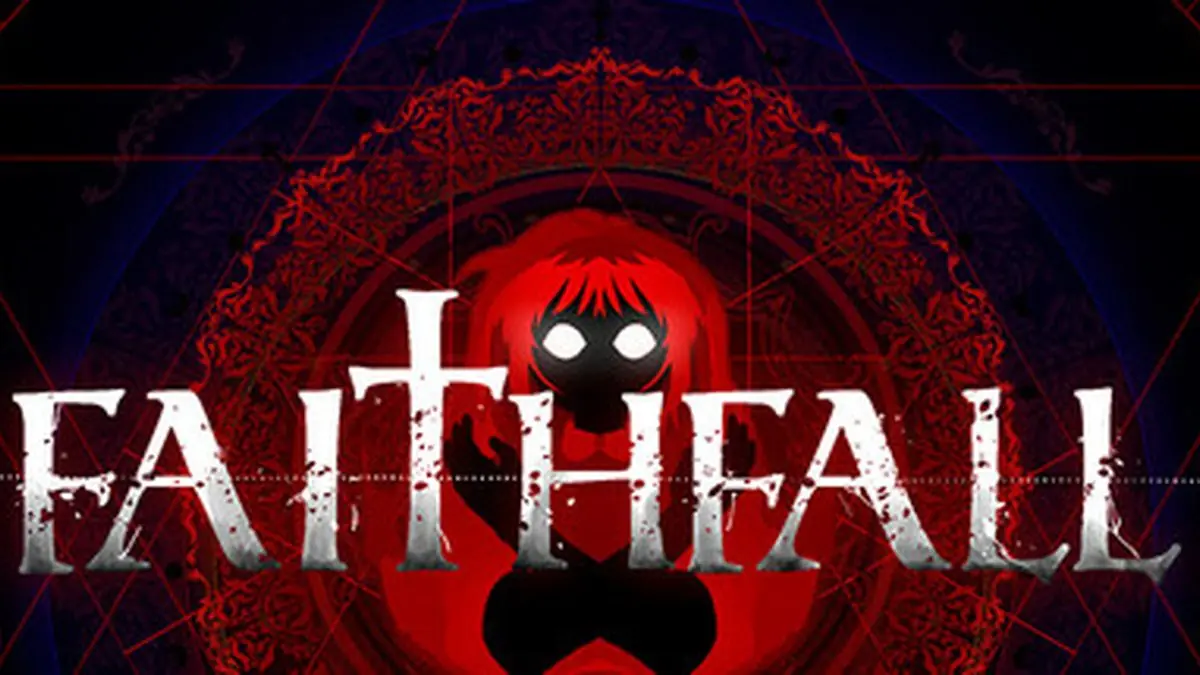
Sometimes the most honest thing a developer can do is admit when things aren’t working out. That’s exactly what happened with Faithfall, a student project that caught some attention on Steam before its development team hit a wall they couldn’t get past.
The whole situation unfolded in a refreshingly straightforward announcement from Kruko, one of the developers who handled the technical side of things. No corporate speak, no spinning the narrative – just the facts about what went wrong and what they’re doing about it.
“Faithfall was a student project that at some point was intended to be made into a full game but the team wasn’t really on the same page. Even if it’s incomplete, we wanted to still give it for free in the current state.” – Kruko on Steam
That’s about as direct as it gets. No dancing around the issue or making excuses. The team had different visions for where Faithfall should go, and rather than force something that wasn’t working, they made the call to step back.
What’s interesting here is how they’re handling the aftermath. Instead of just scrapping everything or leaving people hanging, they’re putting the game out there for free. It’s incomplete, sure, but it gives people a chance to see what they were working on. That’s a pretty solid move, especially considering they could have just quietly shelved the whole thing.
The technical reality is that student projects face this kind of thing all the time. You’ve got multiple people learning as they go, often with different skill levels and different ideas about what the end product should look like. Add in the pressure of potentially turning it into a commercial release, and things can get messy fast.
What caught the team off guard was the community response. People were actually adding Faithfall to their wishlists on Steam, which is no small thing for an incomplete student project. That kind of organic interest usually means you’ve got something worth pursuing.
“We were genuinely surprised and happy to see people adding Faithfall to their wishlists – it meant a lot to us. Thank you for the interest and support.” – Kruko on Steam
That wishlisting behavior tells us something about the current indie game landscape. Players are hungry for fresh ideas, even if they’re rough around the edges. They’re willing to take a chance on unknown developers if the concept looks promising. That’s both encouraging and challenging for new devs trying to figure out what’s worth pursuing.
The bigger picture here is about managing expectations and knowing when to pivot. Too many projects drag on way past their expiration date because nobody wants to admit things aren’t working. The Faithfall team recognized the problem early enough to make a clean break rather than burning out completely.
From a development perspective, this is actually pretty smart. Kruko gets to maintain goodwill with the community by releasing what they have for free. People who were interested get to try it out. And most importantly, nobody’s left wondering what happened or feeling like they got strung along.
The technical lessons here extend beyond just this one project. Team alignment on vision and scope is crucial, especially for smaller teams where everyone needs to be pulling in the same direction. When that breaks down, you either fix it fast or you cut your losses.
What makes this whole situation more optimistic is that it’s not the end of the road for everyone involved. Kruko made it clear that this isn’t a permanent exit from game development.
“This won’t be the last you’ll hear from me on Steam. I still plan to be around and work on future projects.” – Kruko on Steam
That’s the kind of attitude that tends to lead to better projects down the line. Taking the lessons learned, keeping the community goodwill, and applying both to whatever comes next. The experience of managing a Steam page, dealing with community interest, and navigating team dynamics – that’s all valuable stuff that carries forward.
For anyone keeping track of indie development stories, this one’s worth watching. Not because Faithfall itself is groundbreaking, but because how developers handle setbacks often tells you more about their potential than their successes do. The fact that they’re being transparent about what went wrong and still delivering something to interested players suggests they’ve got their priorities straight.
The free release should hit Steam soon, though no specific date was mentioned. For a project that started as a learning experience and generated unexpected interest, that’s not a bad outcome. Sometimes the best you can do is be honest about where things stand and let people decide for themselves if it’s worth their time.