
A veteran developer’s praise for an upcoming game has sparked fresh debate about where the industry stands on difficulty and player guidance. The creator of The Elder Scrolls Online recently voiced his appreciation for Crimson Desert’s approach to game design, noting how it reminds him of gaming’s earlier era.
The comment surfaced on Reddit, where discussion quickly centered on what this endorsement means for both games and the broader industry trend toward accessible design.
Crimson Desert “reminds me a lot of the old days of gaming,” says ESO creator. “It doesn’t handhold” – u/JobuJabroni on r/PS5
The praise carries particular weight given the source. The Elder Scrolls Online has maintained a dedicated playerbase for over a decade, balancing accessibility with depth in ways that few MMORPGs manage. When someone with that track record calls out another game’s design philosophy, the industry tends to listen.
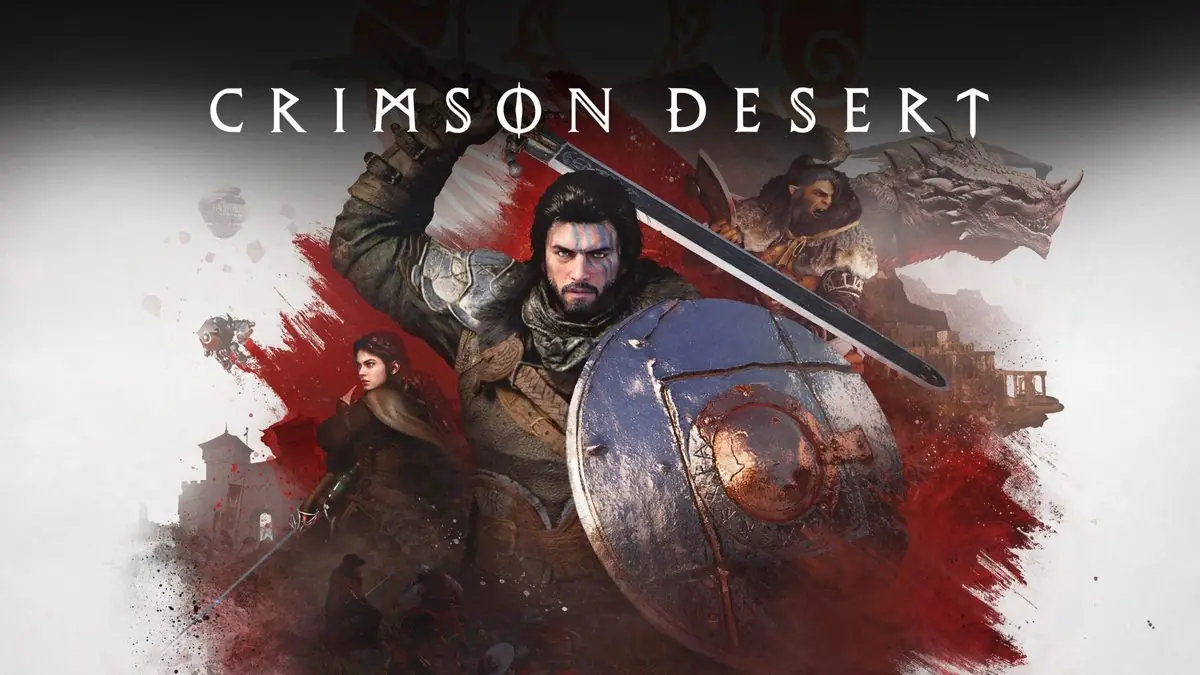
Crimson Desert, Pearl Abyss’s upcoming action RPG, has been positioning itself as a departure from typical hand-holding mechanics since its announcement. The game promises a world where players must figure things out themselves, much like titles from gaming’s earlier decades when tutorials were sparse and discovery was paramount.
This philosophy stands in notable contrast to current industry trends. Most modern games guide players extensively through mechanics, objectives, and progression systems. Quest markers, detailed tutorials, and constant UI prompts have become standard practice. Meanwhile, games that buck this trend often find themselves praised by veterans while sometimes struggling to reach mainstream audiences.
The timing of this endorsement is particularly interesting. The gaming industry is experiencing a curious split in design philosophy. On one side, major studios continue pushing for broader accessibility and smoother onboarding experiences. On the other, there’s growing appreciation for titles that trust players to learn and adapt without constant guidance.
Soulsborne games proved this approach could find mainstream success, but they remain the exception rather than the rule. Most publishers still err on the side of extensive player guidance, worried that confusion leads to refunds and negative reviews.
Pearl Abyss faces a unique challenge with Crimson Desert. The studio is known primarily for Black Desert Online, a notoriously complex MMORPG that overwhelms new players with systems and mechanics. That game’s steep learning curve has both dedicated fans and frustrated newcomers. Crimson Desert represents their attempt to channel that complexity into a more focused single-player experience.
The ESO creator’s comment suggests they’re succeeding at creating something that feels authentically challenging without being needlessly obtuse. That’s a difficult balance to strike. Too little guidance and players feel lost. Too much and the sense of discovery vanishes.
Historically, this balance has shifted with each gaming generation. Early console games offered minimal instruction because storage space was limited. Players learned through trial and error, developing intuition for game mechanics that modern tutorials often bypass. As games grew more complex and audiences expanded, developers added more guidance to help newcomers.
The current debate reflects broader questions about who games are for and how they should be designed. Notably, many veteran developers who grew up with less guided experiences now find themselves creating more accessible games for business reasons while personally preferring the old approach.
Crimson Desert’s reception will likely influence how other developers approach this balance. If the game finds commercial success while maintaining its no-handholding philosophy, expect more studios to experiment with similar approaches. If it struggles to find an audience, it may reinforce the industry’s current preference for extensive player guidance.
The game is currently scheduled for release on PS5, Xbox Series X/S, and PC, though Pearl Abyss hasn’t announced a specific date. Early gameplay footage suggests a focus on exploration and combat that rewards player skill and observation rather than following waypoints.
Meanwhile, the broader industry continues wrestling with accessibility versus challenge. Some developers are finding middle ground through difficulty options and optional guidance systems. Others, like Pearl Abyss with Crimson Desert, are betting that there’s still an audience hungry for the old-school approach.
Whether that bet pays off may determine how many other developers follow suit in trusting players to figure things out for themselves.