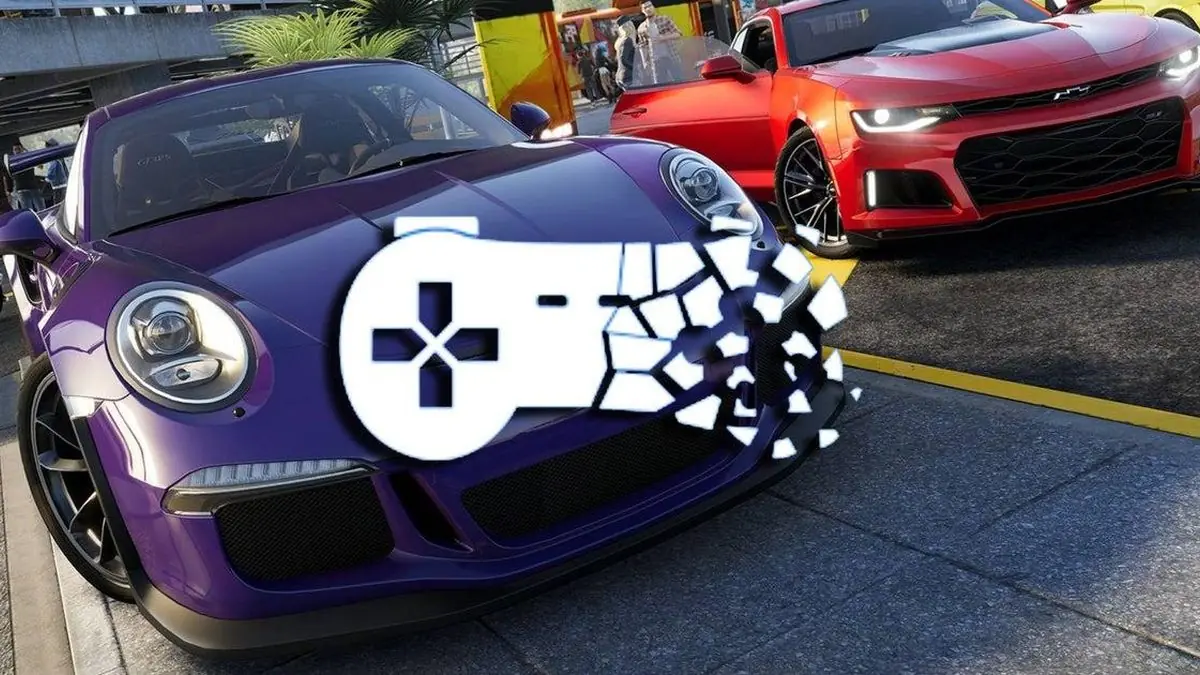
The gaming community just scored a massive W. The Crew 2 is getting additional offline mode support, and the Stop Killing Games movement is absolutely here for it.
This isn’t just another random update. This is what happens when gamers actually organize and make their voices heard. The Stop Killing Games campaign has been fighting the good fight for months, and now they’ve got something real to celebrate.
“Stop Killing Games movement celebrates as The Crew 2 sees further offline mode support” – u/Turbostrider27 on r/pcgaming
The news hit r/pcgaming and immediately got people talking. This is lowkey huge for anyone who’s ever worried about their favorite racing game just disappearing one day. The Crew 2 was already in a weird spot with its online requirements, so seeing Ubisoft actually listen and add more offline functionality? That’s not something you see every day.
For real though, this feels like a turning point. Publishers have been getting away with the whole “always online” thing for years. Games would just die when servers shut down, and players were left with expensive coasters. The Stop Killing Games movement said “nah, we’re not doing this anymore” and actually made it happen.
The timing couldn’t be better either. Racing games especially have been hit hard by the server shutdown problem. Remember when the original Crew got axed? That stung. But now we’re seeing what happens when the community doesn’t just complain on Twitter and actually organizes.
This victory is giving major “we did that” energy. The Stop Killing Games campaign has been pushing for legislation and putting pressure on publishers across multiple countries. They’re not just asking nicely – they’re making real legal and economic arguments about game preservation.
Here’s the thing that makes this extra spicy: Ubisoft isn’t exactly known for being super player-friendly with their online requirements. The fact that they’re adding offline support to The Crew 2 shows that the pressure is actually working. When even Ubisoft starts backing down from always-online requirements, you know something’s shifting.
The bigger picture here is insane. We’re talking about preserving gaming history. Think about all the games that have just vanished because their servers went dark. MMOs, racing games, even some single-player games that had unnecessary online checks. That’s decades of gaming culture just gone.
The Stop Killing Games movement gets it. They’re not just fighting for The Crew 2 – they’re fighting for the principle that when you buy a game, you should actually own it. Revolutionary concept, right?
This win with The Crew 2 is proof that organized campaigns can actually move the needle. Publishers pay attention when there’s sustained pressure and actual legal frameworks being proposed. It’s not just about angry forum posts anymore.
The community response has been wild too. People are finally seeing that you don’t have to just accept it when publishers make anti-consumer decisions. The “that’s just how it is” attitude is getting replaced with “actually, we can change this.”
What’s really cooking is how this sets a precedent. Other racing games are watching. Other publishers are taking notes. If Ubisoft can make The Crew 2 work offline, what’s everyone else’s excuse?
The preservation angle is hitting different too. Gaming is culture, and culture deserves to be preserved. The Stop Killing Games movement is basically saying “our digital heritage matters” and backing it up with action.
So what’s next? This is just the beginning. The Stop Killing Games campaign isn’t slowing down because of one victory. They’re using this momentum to push for broader changes across the industry.
Expect to see more publishers getting creative with offline modes. The economic argument is getting harder to ignore – games that can survive server shutdowns have longer lifespans and happier customers.
The Crew 2 offline support rollout will be worth watching closely. How smooth is the transition? How much functionality actually stays? Other developers will be studying this implementation.
This victory proves that game preservation isn’t just wishful thinking – it’s achievable when the community organizes properly. The Stop Killing Games movement just leveled up, and the gaming industry better be ready for what comes next.