Sometimes the most captivating stories emerge from the simplest premises. What happens when you take the childhood game of Memory and weave it together with the ancient art of tarot reading? Today, indie developer ReijaGamer answered that question with Memoria Arcana, a spellbinding card game that transforms familiar mechanics into something entirely mystical.
This isn’t just another card game trying to stand out in Steam‘s crowded marketplace. Memoria Arcana tells a story through its very structure. You’re not just flipping cards – you’re lifting curses, one revealed pair at a time. The game asks you to become both fortune teller and strategist, reading the cards while building poker hands that could determine your fate.
“What if you combine Memory with poker and roguelike elements? This is our single-player card game that mixes Memory, deckbuilding, and tarot-inspired cards. Reveal pairs, build powerful poker-style hands, and score enough points to clear each stage.” – Memoria Arcana on Steam
The narrative framework here feels genuinely inspired. Instead of generic fantasy trappings, ReijaGamer built their world around the symbolism that already exists in tarot and zodiac traditions. Your deck becomes a grimoire. Your matches become prophecies. Even the progression system ties into this mystical theme – you earn Karma to purchase items from the Shop, as if you’re trading spiritual currency for earthly power.
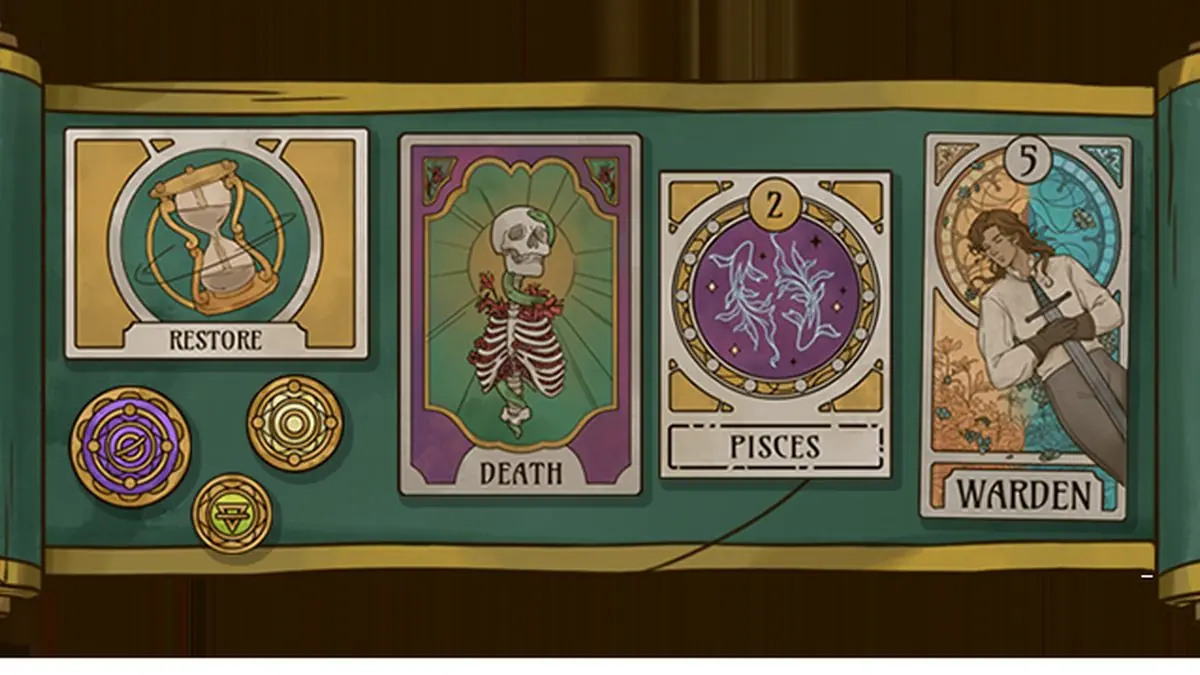
The game’s structure reads like a three-act play. You have your Arcana cards – the major players in any tarot deck, representing life’s big themes and turning points. Then come the Zodiac cards, adding layers of celestial influence to your strategies. Finally, the Curse stages serve as your antagonists, each one demanding a different approach to overcome.
What makes Memoria Arcana particularly compelling is how it has grown since its demo phase. The developers added four new Arcana cards, bringing the total to seven – a mystically significant number that any tarot reader would appreciate. The Zodiac collection expanded to 36 cards, creating a full celestial court of possibilities. But perhaps most intriguingly, they introduced an Elemental Tokens system that lets you mark cards and score additional points.
This Elemental Tokens addition suggests something deeper than mere gameplay mechanics. In traditional tarot, the elements – earth, air, fire, water – represent different aspects of human experience and cosmic forces. By letting players mark their cards with elemental significance, ReijaGamer has essentially created a personal ritual within the game. You’re not just playing cards; you’re imbuing them with meaning.
The game also received nine new Curse stages, expanding the total to 15. In storytelling terms, this creates a more substantial arc of conflict and resolution. Each curse presumably tells its own small story while contributing to the larger narrative of lifting all curses. It’s the kind of episodic structure that works beautifully in interactive media, giving players both immediate goals and long-term purpose.
Technical improvements like deck preview and save systems might seem mundane, but they serve the story too. Being able to peek at which cards remain creates tension – you can sense what fate might have in store, but you can’t control when it arrives. The save system ensures your spiritual journey can continue across multiple sessions, maintaining the illusion that this mystical world persists even when you’re not playing.
For indie gaming, Memoria Arcana represents something valuable that big studios often struggle to create: genuine originality born from meaningful constraints. By limiting themselves to familiar mechanics like Memory and poker, ReijaGamer created space to explore deeper themes. The result feels both accessible and profound, like the best folklore.
The tarot connection also positions this game perfectly for our current cultural moment. Mysticism and alternative spirituality have found new life among younger generations seeking meaning beyond traditional institutions. A game that treats these themes with respect rather than mockery could find a devoted audience beyond typical card game players.
Looking ahead, ReijaGamer has promised new game modes, Steam achievements, and localization options. Each of these expansions could deepen the game’s storytelling potential. New modes might explore different aspects of the mystical world they’ve created. Achievements could serve as milestones in a spiritual journey. Localization could bring these universal themes to players from different cultural backgrounds, each bringing their own relationship with fortune, fate, and the unknown.
The developers’ invitation to share high scores and beat their game designer adds a personal touch that feels right for this kind of intimate, story-driven experience. It’s not about competing with strangers online – it’s about sharing your own journey through the curses and celebrating the moments when fortune favors your hand.
Memoria Arcana launches today into a gaming landscape hungry for authentic experiences. In a world of endless sequels and remakes, here’s something that feels genuinely fresh while honoring traditions much older than video games themselves. Sometimes the best stories are the ones that have been waiting centuries to find their perfect medium.