The gaming industry’s layoff crisis might not be what it seems. While most of us assume these cuts are just corporate bean counters being ruthless, one industry insider suggests something far more unsettling is happening behind the scenes.
It’s like discovering that your favorite space opera franchise has been hemorrhaging money despite packed theaters. The spectacle looks successful from the outside, but the financial reality tells a different story.
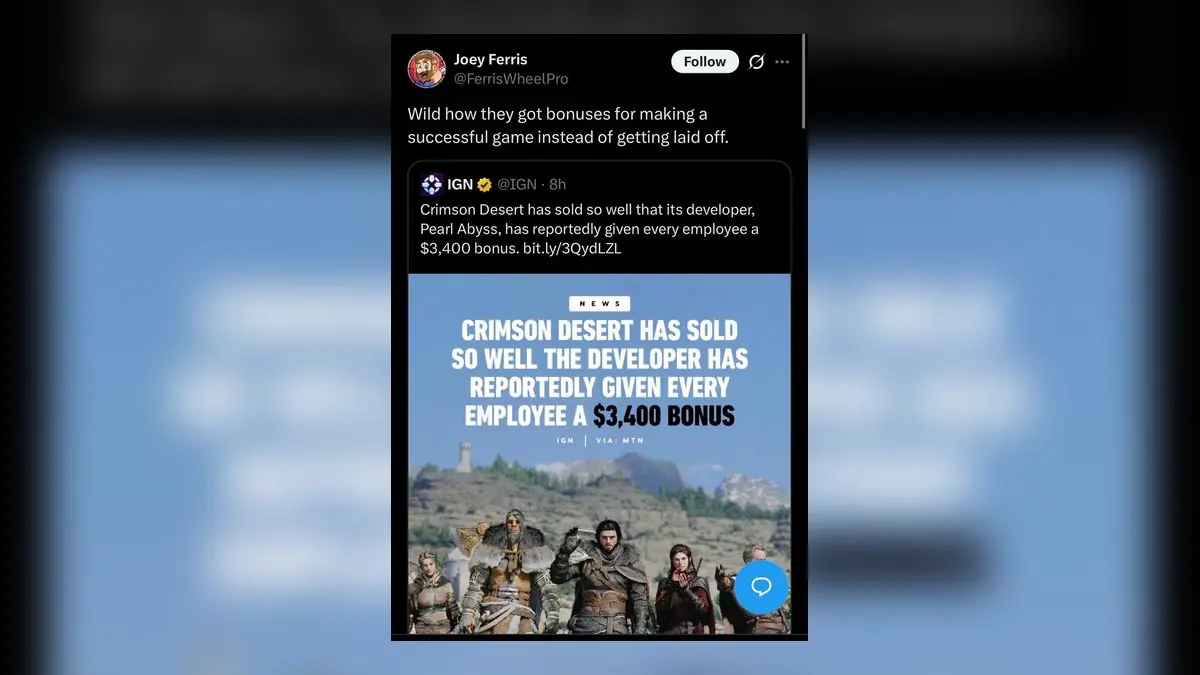
“If these guys looked into actual sales data instead of headlines. They would know most of the “successful” games they’re talking about that experienced layoffs afterwards weren’t actually successful and at best often just barely broke even with an expensive budget.” – @KipperkipKipper
This revelation hits like finding out the Death Star was built on a shoestring budget. Games we celebrate as hits might be financial disasters wearing success as a disguise. The disconnect between public perception and private ledgers creates a weird alternate reality where “winning” actually means “barely surviving.”
Think about it. How many times have you seen a game dominate social media, rack up millions of downloads, and then watch the studio announce layoffs six months later? We always assumed it was greed. But what if it was desperation?
The math gets scary when you dig deeper. Modern AAA games cost more than some small-budget sci-fi films. We’re talking $100-300 million budgets that need to sell 5-10 million copies just to break even. That’s not success. That’s threading the needle while blindfolded.
The industry operates like those dystopian megacorps from cyberpunk fiction. Massive budgets, flashy marketing campaigns, and glowing reviews create an illusion of prosperity. But underneath, the economics are as fragile as a space station with failing life support systems.
Part of the problem is how gaming media reports success. Download numbers, player counts, and Metacritic scores don’t tell the financial story. A game can have 50 million players and still lose money if the budget was astronomical and monetization failed.
It’s the entertainment equivalent of a sci-fi movie that looks amazing but spent so much on effects that ticket sales can’t cover the costs. Visual spectacle doesn’t automatically equal financial success.
The layoffs start making sense through this lens. Studios aren’t cutting staff because they’re greedy. They’re cutting staff because they’re bleeding money and running out of runway. It’s triage, not corporate cruelty.
This creates a feedback loop that would make any dystopian author proud. Studios need bigger budgets to compete, but bigger budgets mean higher risk. Higher risk means more pressure to cut costs when things go wrong. And cutting costs usually means cutting people.
The lack of transparency makes everything worse. While Hollywood publishes box office numbers, the gaming industry treats sales data like classified government secrets. We get vague terms like “exceeded expectations” or “performed below projections” instead of actual numbers.
This secrecy lets the illusion persist. Games appear successful because we only see the positive metrics – player engagement, critical scores, social media buzz. The financial carnage happens behind closed doors.
Looking ahead, this can’t continue forever. The industry needs a reality check that would make even the most jaded space captain take notice. Either budgets need to shrink or revenue models need to evolve.
Some studios are already adapting. They’re focusing on smaller, more focused projects that can turn a profit without selling 10 million copies. It’s like switching from massive space cruisers to nimble fighters – less impressive but more practical.
The rise of subscription services and live service games might help stabilize revenues. Instead of betting everything on one massive launch, studios can build steady income streams over time. Think Netflix for games instead of blockbuster movies.
Transparency could also improve. If investors and the public understood the real financial pressure, there might be more support for sustainable development practices. Right now, everyone assumes the industry is swimming in cash when it’s actually treading water.
The gaming industry stands at a crossroads. It can continue down the current path of massive budgets and hidden losses, or it can embrace a more sustainable future. The choice will determine whether we get more great games or more painful layoffs.
One thing’s certain – the next few years will reveal which approach wins. The industry’s financial health depends on making the right choice before the money runs out entirely.