Another Saturday, another indie dev casually dropping a 30-minute masterpiece like it’s no big deal. Welcome to the wild world of Screenshot Saturday, where developers flex their rapid prototyping skills and make the rest of us question our life choices.
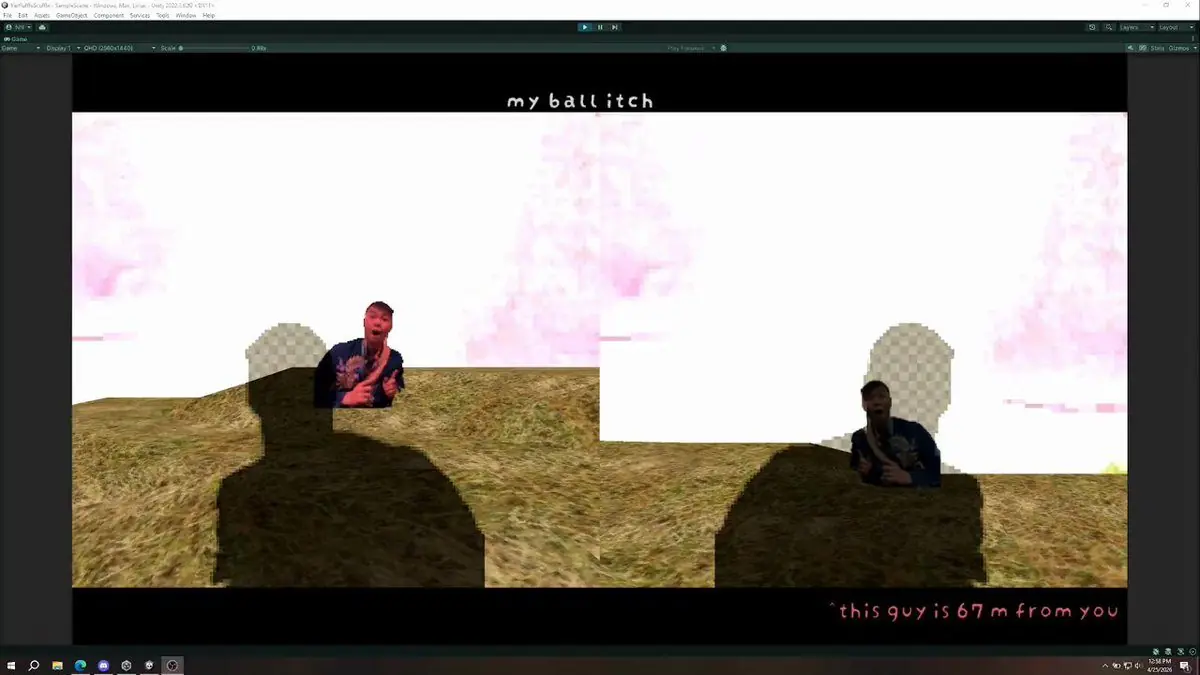
“Cooked this up in 30 minutes #ScreenshotSaturday #indiedev #gamedev” – @xerialbole
That’s it. That’s the tweet. No massive marketing campaign, no year-long development diary, just pure indie hustle distilled into half an hour of focused creativity. It’s the kind of post that makes you realize how much can actually get done when you stop overthinking and just start building.
The beauty of rapid prototyping isn’t just the speed. It’s the freedom. When you’re only investing 30 minutes, you can take risks that would terrify you in a months-long project. Want to try that weird mechanic? Go for it. Think that art style might be too bold? Find out. The low stakes create space for genuine experimentation.
This kind of quick-fire development is becoming the secret weapon of indie studios. While AAA teams spend months in pre-production meetings, indie devs are building, testing, and iterating at breakneck speed. It’s not always pretty, but it’s honest. And honestly, sometimes that rough-around-the-edges energy hits harder than any polished corporate product.
Of course, there’s a darker side to this culture of speed. The pressure to constantly create, to always have something new to show, can be exhausting. Screenshot Saturday started as a fun way to share progress, but it’s evolved into this weekly performance where developers feel obligated to produce content. The hustle culture is real, and it’s not always healthy.
Some developers treat these rapid-fire projects as throwaway experiments. Others use them as stepping stones to bigger ideas. The smart ones know that 30 minutes of focused work can teach you more than weeks of planning. It’s about building that muscle memory, that instinct for what works and what doesn’t.
Screenshot Saturday has become this fascinating snapshot of indie game development culture. Every week, hundreds of developers share their works-in-progress, from massive RPGs years in the making to literal 30-minute experiments like this one. It’s a reminder that game development isn’t just about the final product – it’s about the process, the community, the constant drive to create something new.
The indie scene thrives on this kind of energy. While big studios plan their reveals months in advance, indie devs are out here just vibing, creating, and sharing their work in real time. It’s messy, it’s unpredictable, and it’s absolutely vital to keeping the industry creative and honest.
There’s something refreshing about developers who aren’t afraid to show their rough sketches alongside their polished gems. This 30-minute project might not change the world, but it represents something important – the willingness to experiment, to fail fast, and to share the journey along the way.
The rapid prototyping movement isn’t slowing down anytime soon. If anything, it’s accelerating. Game engines are getting more accessible, development tools are becoming more intuitive, and the barrier to entry keeps dropping. What used to take days now takes hours. What used to take hours now takes minutes.
For aspiring game developers watching from the sidelines, posts like this are both inspiring and intimidating. Inspiring because they show what’s possible with focused effort. Intimidating because they set a pretty high bar for what constitutes a casual Saturday afternoon.
Next Screenshot Saturday will bring another wave of projects, another collection of quick experiments and long-term labors of love. Some will be 30-minute wonders, others will be years in the making. All of them will be part of this ongoing conversation about what it means to make games in 2026.
The cycle continues. Developers create, share, iterate, and repeat. It’s not glamorous, but it’s real. And sometimes, that’s exactly what the industry needs – less polish, more passion, and the occasional reminder that great things can happen in just 30 minutes.