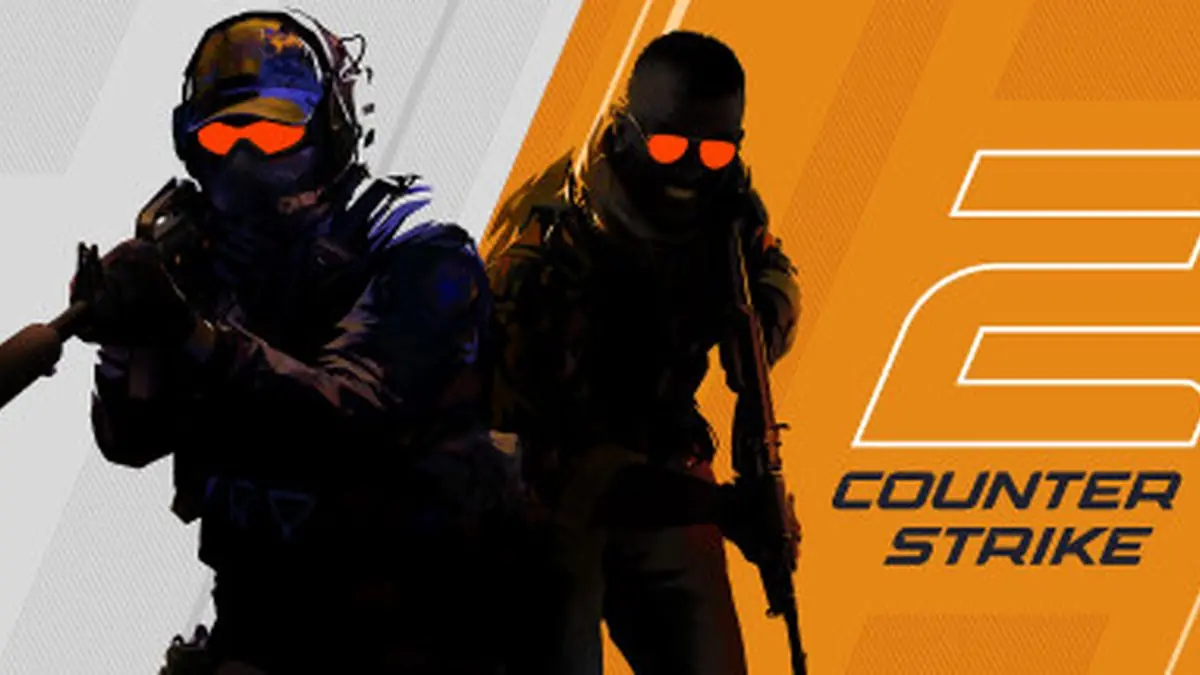
Cache is back. After months of community requests, Valve finally delivered what Counter-Strike 2 players have been demanding. The classic map returns to active rotation today.
This isn’t just any map. Cache defined competitive CS for years. Now CS2 gets that same tactical depth.
Valve made the announcement official through their Steam community page. No fanfare. No marketing hype. Just the facts.
“Today’s update features the return of a classic. Welcome back, Cache! Cache veterans will feel right at home in familiar locations, while new players can quickly learn the ins and outs of a classic three lane map that rewards strategy and teamplay. You can find Cache in Casual, Competitive, Deathmatch and Retakes modes (for now). Don’t forget to clear Forklift, and we’ll see you on the server.” – Counter-Strike 2 on Steam
The community response has been instant relief. Players have been asking for Cache since CS2’s launch. Now they have it back in all the modes that matter.
Veteran players know exactly what this means. Cache rewards smart positioning and coordinated pushes. It punishes sloppy plays. The three-lane design forces teams to think strategically about map control.
New players get a masterclass in classic Counter-Strike design. Cache teaches fundamental concepts without overwhelming complexity.
Some players worry about the map pool getting too crowded. Valid concern. CS2’s competitive rotation needs balance between classic favorites and fresh content.
Others question whether Cache fits CS2’s updated mechanics. The map was designed for different movement and utility systems. Time will tell if it translates properly.
There’s also the “for now” qualifier in Valve’s announcement. That suggests Cache might be temporary. Players want permanent addition to the rotation.
The server stability during peak hours could be another issue. Major map releases typically stress the infrastructure.
That “clear Forklift” reference hit different for longtime players. It’s become a meme callout that transcends the actual tactical importance of the position.
Forklift control matters more than most players realize. It offers crucial sightlines to both A site approaches. But the callout itself became legendary.
Cache veterans are already posting their favorite angle setups on social media. The nostalgia is real. Some positions haven’t been playable in competitive CS for years.
The three-lane design of Cache represents peak Counter-Strike philosophy. Each lane serves a specific tactical purpose. Mid control determines round outcomes more than most maps.
A site rewards disciplined teamwork. The long angles favor rifles over SMGs. Position discipline becomes critical when multiple angles need coverage simultaneously.
B site punishes overrotation harder than almost any other map. Teams that commit too many players to A leave themselves exposed to devastating B rushes.
Cache also showcases utility usage at its finest. Smoke executions must be precise. Flash coordination separates good teams from great ones. Even basic utility becomes complex when three lanes demand simultaneous attention.
The map’s competitive history speaks for itself. Major tournaments featured legendary Cache performances. Tactical innovations emerged from its unique layout requirements.
Professional teams built entire systems around Cache control. Some of Counter-Strike’s most memorable moments happened on this map.
Cache’s return signals Valve’s willingness to listen to community feedback. Players made their preferences clear. Valve responded with action rather than excuses.
This could influence future map decisions. Community input might carry more weight in rotation choices going forward.
The competitive scene benefits immediately. Teams can dust off Cache strategies and adapt them to CS2’s mechanics. Tactical depth increases across all skill levels.
Casual players get a proven map that balances fun with strategic depth. Cache works equally well for quick Deathmatch sessions and serious Competitive matches.
Valve’s “for now” comment suggests they’re monitoring Cache’s performance metrics. Player engagement and match quality data will determine permanent status.
Expect Cache to dominate queue preferences initially. Nostalgia drives early adoption. Long-term popularity depends on how well it translates to CS2’s updated systems.
The map pool continues evolving. Cache’s return doesn’t guarantee other classics will follow. But it proves Valve recognizes the value of community-favorite maps.
Watch for tactical innovations as teams rediscover Cache in the CS2 environment. New mechanics might enable strategies that weren’t possible before.
Cache is back where it belongs. In the rotation. In competitive play. In the hands of players who understand what makes Counter-Strike special.