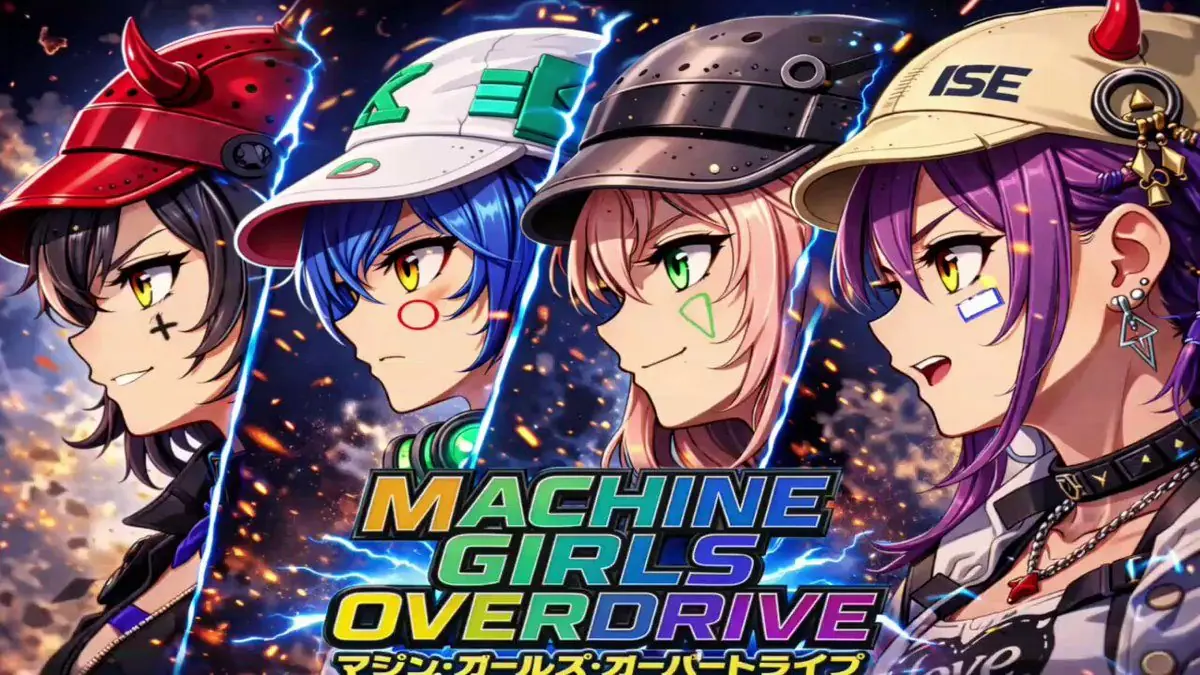
Another day, another indie developer throwing their heart into the social media void and hoping something sticks. This time it’s @mazzutakgame showing off their passion project that’s hit the 75% completion mark.
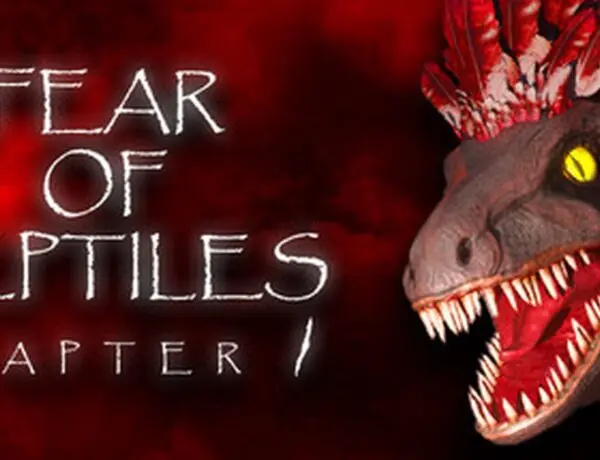
The developer dropped a trailer showcasing their work-in-progress game. No fancy marketing budget here. Just raw gameplay footage and an honest plea for community support. It’s the kind of authentic outreach that cuts through the noise of corporate PR machines.
“This is the game dev trailer for my game, I’m at 75% of the development, I hope to make a demo in a couple of months, if you like the project, like or retweet, you’ll help me a lot🙏❤” – @mazzutakgame
That’s the reality of indie development right there. No sugar-coating. No corporate speak about “leveraging synergies” or “delivering unprecedented experiences.” Just a developer asking for help the only way they know how.
The 75% completion milestone is significant for any indie project. Most games that make it this far actually see release. It’s the danger zone where developers either push through to the finish line or burn out completely. The fact that this dev is actively promoting their work suggests they’re committed to crossing that finish line.
Planning a demo release in the coming months is smart strategy. Demos let players experience the game firsthand. They cut through marketing fluff and let the gameplay speak for itself. For indie developers with zero marketing budget, a solid demo can make or break a project.
The community support angle hits different in 2026. Social media algorithms have made organic reach nearly impossible for small creators. Every like and retweet genuinely matters when you’re fighting for visibility against million-dollar marketing campaigns.
Indie developers face brutal economics. Most work day jobs while developing games in their spare time. They pour years into projects that might never recoup development costs. The ones who succeed usually combine solid gameplay with smart community building.
This developer’s approach is textbook indie marketing. Show progress regularly. Be transparent about development status. Ask for support without being pushy. Build relationships with potential players early in the process.
The gaming landscape desperately needs more authentic voices like this. Big publishers increasingly chase trends and focus group their creativity to death. Indie developers create experiences that corporate committees would never approve. They take risks that could either fail spectacularly or become breakout hits.
Social media support for indie devs isn’t just digital charity. It’s investing in the future of gaming creativity. Every retweet helps algorithms surface interesting projects. Every like signals to platforms that this content deserves wider reach.
The indie game scene thrives on word-of-mouth marketing. Players discovering hidden gems and sharing them with friends. Streamers picking up interesting demos and showcasing them to audiences. Communities rallying around projects that deserve attention.
This particular project joins thousands of other indie games competing for attention. The market is oversaturated with good ideas and passionate developers. Standing out requires more than just solid gameplay. It demands community engagement and social media savvy.
The demo timeline gives this developer a concrete goal to work toward. Demos force developers to polish their games to a playable state. They create accountability and generate feedback from real players.
What happens next depends largely on execution. If the demo delivers on the trailer’s promise, this could build real momentum. If it falls short, the developer faces the challenge of regrouping and improving based on feedback.
Either way, this represents the indie development process at its most honest. No false promises. No overhyped marketing campaigns. Just a developer sharing their progress and asking for support from the gaming community that could make their dream a reality.