Nothing kills the terror quite like a confused dinosaur.
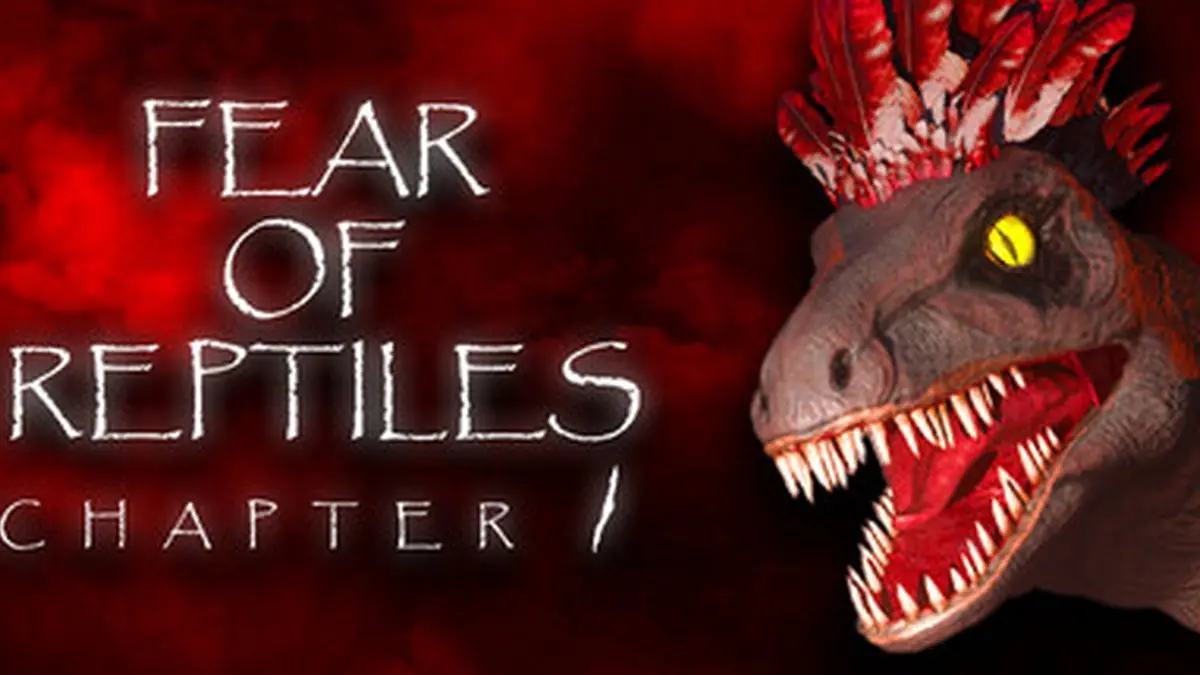
Fear of Reptiles, the indie horror game that’s been making players check their closets for prehistoric predators, just got a vital patch that fixes a game-breaking bug. The Velociraptors that should be hunting you through darkened houses were apparently as lost as tourists without GPS.
The developers announced the fix in a brief but crucial update:
“Fixed Velociraptor in house sequence not path-finding to player.” – Fear Of Reptiles: Chapter 1 on Steam
This might sound like a small technical fix, but it strikes at the heart of what makes horror games work. The whole point of having deadly raptors stalking you through cramped indoor spaces is the constant threat. When your AI predator can’t figure out how to walk around a coffee table, the spell breaks completely.
For a game called Fear of Reptiles, having reptiles that can’t properly chase you is like having a zombie game where the undead politely wait outside locked doors. The house sequences were meant to be the game’s most intense moments – tight corridors, limited escape routes, and ancient predators using their pack hunting instincts against you.
Instead, players were getting a different kind of experience entirely. Picture this: you’re crouched behind a couch, heart pounding as you hear claws clicking on hardwood floors. The Velociraptor should be methodically searching for you, testing different routes, growing closer with each passing second. But thanks to the pathfinding bug, it’s probably just bumping into the same wall repeatedly like a scaly Roomba.
This kind of AI failure doesn’t just break gameplay mechanics – it shatters the carefully constructed atmosphere that horror games depend on. The developers of Fear of Reptiles understand that their creatures need to feel genuinely threatening, not artificially stupid.
The quick response shows the development team takes their digital dinosaurs seriously. Patch 1.0.1 arrived without fanfare, but it addresses one of those behind-the-scenes issues that can make or break a player’s experience. Good AI pathfinding is invisible when it works and glaringly obvious when it doesn’t.
This fix also highlights how much modern horror games rely on sophisticated AI behavior. Today’s players expect smart enemies that can navigate complex environments, adapt to player strategies, and maintain pressure throughout an encounter. We’ve moved far beyond the days when monsters could only follow simple predetermined paths.
The Velociraptor’s restored hunting abilities mean the house sequences can now deliver on their promise of claustrophobic terror. These scenes work because they flip our normal sense of safety – homes should be sanctuaries, but when prehistoric predators can properly navigate your living room, nowhere feels secure.
For indie developers, this kind of rapid bug fixing sends an important message to the community. Small studios often face skepticism about their ability to support games post-launch. By addressing a core gameplay issue quickly and transparently, the Fear of Reptiles team demonstrates they’re committed to delivering the experience they promised.
The pathfinding fix also speaks to the technical challenges of creating believable AI in confined spaces. Indoor environments present unique problems for game AI – multiple rooms, furniture obstacles, stairs, and doorways all create potential navigation headaches. Getting it right requires extensive testing and fine-tuning.
Now that the raptors can properly hunt indoors, Fear of Reptiles can focus on what it does best: making players question whether that creaking sound upstairs is just the house settling or something with very sharp teeth. The game’s premise – ordinary people facing extraordinary prehistoric threats – only works when those threats feel genuinely dangerous.
With the AI now functioning as intended, players can expect the full horror experience the developers envisioned. No more safe rooms created by confused dinosaurs. No more anticlimactic encounters where the monster gives up because it can’t figure out how stairs work.
The Fear of Reptiles team hasn’t announced what comes next, but this quick fix suggests they’re actively monitoring player feedback and addressing issues as they arise. For a horror game that depends on maintaining tension throughout each encounter, that kind of responsiveness could be the difference between lasting scares and forgettable jump attempts.
Sometimes the smallest changes make the biggest difference in how a story feels. Now these digital raptors can properly play their role as relentless hunters, and players can go back to being properly terrified.