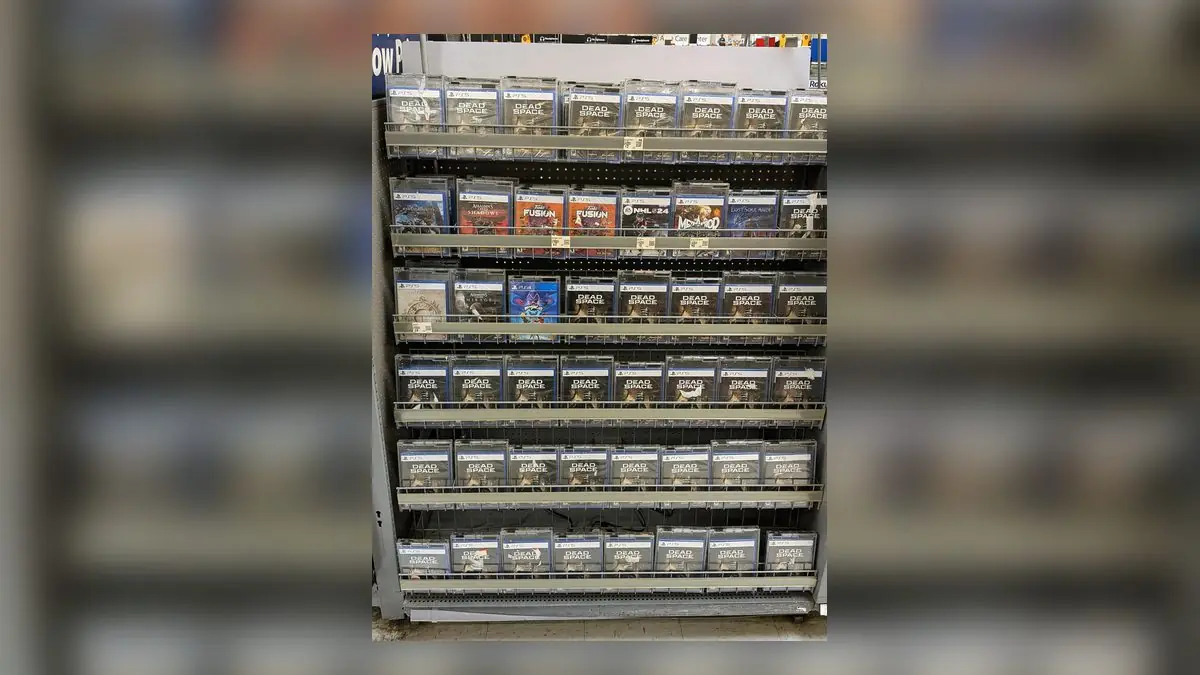
Gaming has never offered more choices. Steam alone hosts over 100,000 titles. PlayStation Game Pass adds hundreds more. Epic Games gives away free titles weekly. Yet somehow this abundance creates a new problem – choice paralysis.
This week gamers are rediscovering an unexpected solution. They’re turning back to proven classics like Dead Space. The 2008 horror masterpiece is getting fresh attention as players seek refuge from decision fatigue.
“The variety here is crazy” – u/CruxofGhost on r/gaming
That simple comment captures what millions of gamers feel daily. Walk into any digital storefront and you’re hit with endless options. Indie darlings sit next to AAA blockbusters. Retro revivals compete with cutting-edge experiences. New releases drop weekly.
The response has been interesting. Instead of diving into the latest releases, many players are gravitating toward familiar territory. Dead Space fits perfectly into this trend. You know exactly what you’re getting – pure terror in space.
The original Dead Space delivers a focused experience. No branching skill trees to research. No seasonal content to track. No battle passes to complete. Just Isaac Clarke, some terrifying Necromorphs, and strategic dismemberment. Simple.
This clarity appeals to overwhelmed gamers. When your Steam library contains 500 unplayed titles, starting something familiar feels comfortable. Dead Space removes the guesswork. You boot it up knowing you’ll get quality scares.
The 2023 remake amplified this appeal. EA Motive polished every surface while preserving the core experience. New players could jump in without baggage. Veterans could relive the terror with modern visuals. Everyone wins.
But the Dead Space resurgence reveals deeper gaming trends. Choice abundance isn’t always positive. Having infinite options can freeze decision-making entirely. Psychologists call this the paradox of choice.
Streaming services face similar issues. Netflix adds thousands of titles monthly. Yet viewers spend more time browsing than watching. Gaming mirrors this pattern. Massive libraries lead to analysis paralysis.
Social media compounds the problem. Gamers see friends playing different titles constantly. FOMO kicks in. Should you stick with your current game or try that trending indie title? The pressure builds.
Dead Space sidesteps these concerns completely. Horror games create focused experiences by nature. Survival mechanics limit experimentation. Linear progression prevents wandering. Fear keeps you engaged.
The community aspect matters too. Dead Space discussions are straightforward. Did it scare you? Which death was worst? Simple conversations without meta-gaming complexities.
Compare this to modern multiplayer titles. Discussions involve tier lists, patch notes, and meta shifts. New players need extensive research before starting. The barrier to entry keeps growing.
Retro gaming benefits from this trend too. Classic titles offer known quantities. Super Metroid plays the same today as in 1994. No updates change the experience. No online servers can shut down.
Digital preservation efforts gain importance here. When modern games require constant internet connections, classics provide stability. Dead Space works offline. Forever.
The horror genre particularly benefits from choice fatigue relief. Scary games demand full attention. You can’t casually browse your phone while fighting Necromorphs. This forced focus feels refreshing.
Many gamers report finishing more classic titles lately. Starting Dead Space means committing to completion. Modern games often lack clear endpoints. You can play Fortnite forever without “finishing” anything.
This trend impacts game development too. Publishers notice players craving focused experiences. Single-player campaigns are making comebacks. Linear storytelling gains respect again.
Indie developers especially benefit. Smaller teams can craft tight experiences without feature bloat. A focused horror game competes directly with AAA productions now.
The Dead Space conversation reflects broader gaming evolution. We’re moving past the “more is better” mentality. Quality over quantity matters again.
What’s next for this trend? Expect more classic revivals to gain attention. Publishers will greenlight focused sequels over sprawling universes. Horror games will continue thriving in this environment.
Dead Space proves that sometimes the best choice is the obvious one. When faced with infinite options, gamers are choosing what they know works. In a world of endless variety, familiarity brings comfort.
The next time you stare at your gaming library paralyzed by choices, remember Dead Space. Sometimes the scariest decision is picking something to play at all.