Horror games face a unique challenge. Once you know where the jump scares hide, the magic usually dies. Dead Space breaks this rule in spectacular fashion.
A recent gaming discussion perfectly captures why this 2008 masterpiece remains relevant. Players are still finding new content that genuinely frightens them. The game’s design philosophy creates an experience that evolves with each playthrough.
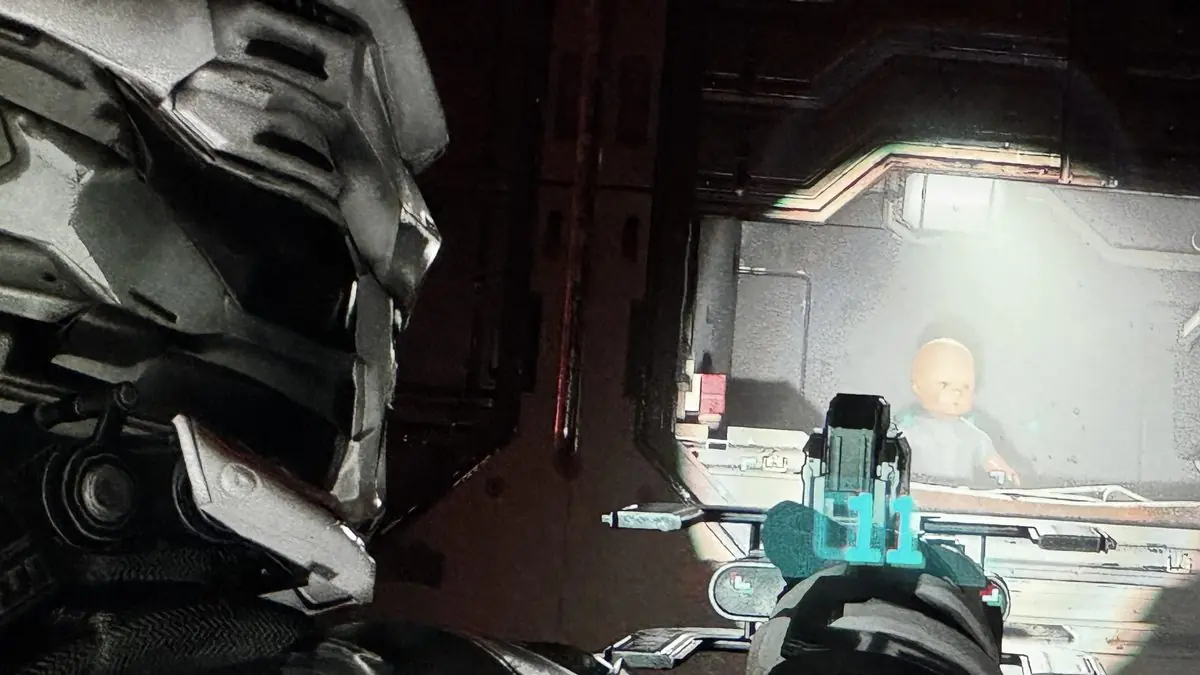
“Dead Space creepy as hell. Also replayability is so good like I just found this baby lol brutal creepy great” – u/NIRoamer on r/gaming
This discovery speaks to something remarkable about Dead Space’s construction. Most horror games rely on surprise. Dead Space relies on atmosphere. The distinction matters enormously for long-term appeal.
Not every horror game ages this gracefully. Many titles from the same era feel dated now. Their scares depend too heavily on specific moments. Players memorize the beats. The fear evaporates.
Dead Space took a different approach. Visceral Games built systematic horror into every element. The sound design never lets you relax. The lighting keeps you guessing. The enemy AI adapts to player behavior in subtle ways.
Meanwhile, the game’s replay value extends beyond pure scares. New Game Plus modes reveal different story layers. Higher difficulties change enemy placement. Players notice environmental details they missed initially.
The broader horror gaming landscape shows how rare this achievement really is. Resident Evil 4 managed similar longevity through gameplay variety. Silent Hill 2 endures through psychological depth. But most horror titles struggle past their first playthrough.
Dead Space’s success stems from understanding fear psychology. Jump scares provide immediate impact but limited replay value. Sustained dread creates lasting memories. The game masters this balance through careful pacing and world design.
Notably, modern horror games still chase this formula. The Dead Space remake in 2023 proved the original’s design principles remain sound. Players responded just as enthusiastically to updated versions of the same core mechanics.
Industry veterans often point to Dead Space as a masterclass in horror design. The game demonstrates how technical excellence serves emotional impact. Every system works toward creating unease. Nothing feels accidental or wasteful.
The engineering behind this experience deserves recognition. Creating horror that works repeatedly requires understanding player psychology deeply. Visceral Games studied how people process fear. They built those insights into every game system.
This approach influenced countless games since. Modern horror titles borrow Dead Space’s atmospheric techniques regularly. The game established templates that developers still follow today.
Meanwhile, the gaming industry continues evolving toward live service models. Horror games resist this trend by nature. Their impact depends on crafted single-player experiences. Dead Space proves this model can create lasting value.
Player testimonials consistently highlight the same elements. The sound design that makes every corridor threatening. The visual storytelling that reveals new details constantly. The enemy design that stays disturbing across multiple encounters.
These design choices explain why players keep returning years later. The game rewards attention to detail. Each playthrough reveals new layers of craftsmanship. This depth separates excellent horror games from forgettable ones.
The upcoming generation of horror developers has clear examples to follow. Dead Space shows how technical excellence amplifies emotional impact. The lesson applies beyond horror into all narrative-driven gaming.
Looking ahead, the horror gaming space shows renewed energy. Independent developers experiment with psychological approaches. Major studios invest in atmospheric experiences again. Dead Space’s influence appears in projects across the industry.
The game’s lasting appeal suggests players crave this type of crafted experience. Procedural horror exists but rarely achieves the same impact. Hand-crafted scares require more development time but create deeper connections.
Future horror games will likely continue borrowing from Dead Space’s playbook. The core principles remain sound. Atmosphere trumps surprise. System integration beats isolated mechanics. Player psychology drives every design decision.
As gaming technology advances, these lessons become more relevant. Better graphics and audio can enhance atmospheric horror significantly. The challenge lies in maintaining the careful balance that made Dead Space special.
Players seeking lasting horror experiences should note this distinction. Games that prioritize atmosphere over cheap scares tend to age better. Dead Space remains the gold standard for this approach in action.