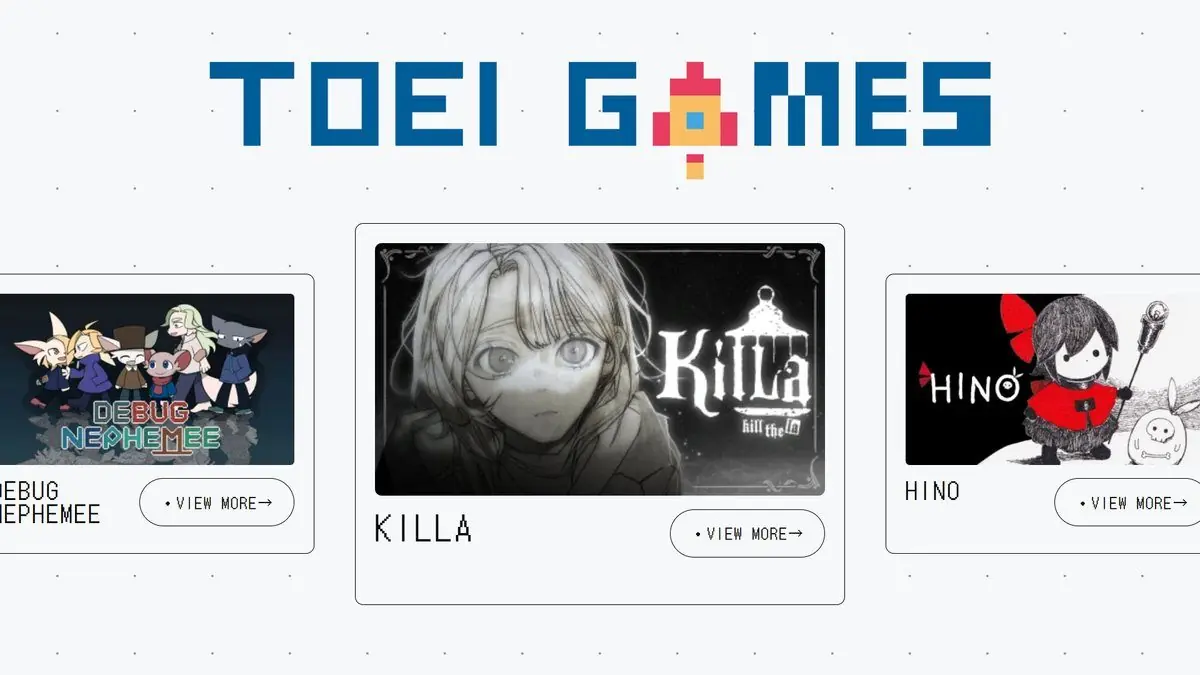
The stage is set. The lights dim. In the distance, a new challenger approaches the gaming arena, and their name carries the weight of decades in animation history. Toei Games, the interactive entertainment arm of the legendary Toei Company, has just thrown down the gauntlet with an announcement that sent ripples through the gaming community.
Three titles. Three cryptic names that sound like they were pulled from the depths of a fever dream or the final act of an anime series where everything goes completely off the rails. KILLA. HINO. DEBUG NEPHEMEE. Each name carries its own mysterious energy, like boss names whispered in the shadows before an epic confrontation.
“Toei Games announces first three published titles – KILLA, HINO, and DEBUG NEPHEMEE” – @gematsu
The gaming world is buzzing with excitement over this unexpected move. When a company with Toei’s pedigree steps into the publishing ring, people pay attention. This isn’t some small indie studio trying to make their mark. This is the house that built Dragon Ball Z, One Piece, and Sailor Moon deciding they want a piece of the interactive entertainment pie.
The announcement itself feels like the opening cutscene of something big. Those game titles read like they belong in different universes entirely. KILLA sounds like it could be a brutal action game where every move matters and death lurks around every corner. HINO might be something more mysterious, perhaps a horror experience that plays with shadows and psychological tension. And DEBUG NEPHEMEE? That name alone sounds like it was born in the space between reality and digital nightmares.
But not everyone is ready to celebrate just yet. The gaming community has seen plenty of big companies stumble when they try to break into new territory. Publishing games isn’t the same as creating anime, and the interactive entertainment landscape is littered with the remains of media giants who thought their success would translate automatically.
Some players are wondering if Toei really understands what makes games tick. Will they try to force their anime sensibilities into interactive experiences? Will they respect the medium, or will they treat games like animated movies you can control? These are the questions that keep gamers up at night when new publishers enter the scene.
The skeptics have a point. Publishing isn’t just about having money and name recognition. It’s about understanding player expectations, market timing, and the delicate balance between creative vision and commercial viability. Toei might have mastered the art of storytelling in animation, but games demand a different kind of magic.
Yet there’s something undeniably intriguing about those three titles. They don’t sound like safe, focus-tested names designed by committee. They sound dangerous. Experimental. Like someone at Toei Games looked at the current gaming landscape and decided to take a completely different path.
The bigger picture here is fascinating from an industry perspective. We’re watching the lines between different entertainment mediums blur in real time. Anime companies are making games. Streaming services are funding interactive content. Gaming studios are creating animated series. The old boundaries that separated these worlds are crumbling, and Toei’s move feels like another step toward a future where entertainment companies need to be fluent in multiple languages of storytelling.
Toei brings something unique to this fight. They understand character development, dramatic pacing, and how to build worlds that capture imagination. Their anime properties have generated billions in revenue and created cultural phenomena that span generations. If they can channel even a fraction of that storytelling power into interactive experiences, the results could be extraordinary.
The timing feels right too. The gaming industry is hungry for fresh voices and new approaches. Players are tired of the same formulas recycled endlessly. They want experiences that surprise them, challenge them, and take them places they’ve never been before. Toei’s entry could shake up established patterns and force other publishers to step up their creative game.
What’s next? The real test begins now. Toei Games will need to prove that these aren’t just cool names attached to mediocre experiences. They’ll need to show that they understand what makes games special as an art form, not just as extensions of their existing properties.
We’re still waiting for details about what these games actually are, when they’ll launch, and which platforms will host them. But sometimes the mystery is part of the appeal. In a world where most games are revealed months or years before release, there’s something refreshing about three enigmatic titles dropping into our awareness like digital lightning strikes.
The stage is set. The players are in position. Now we wait to see if Toei Games can deliver on the promise hidden within those three mysterious names.