In a world where games can vanish overnight from digital storefronts, one Steam user has become something of a digital archaeologist. Their quiet act of collecting has turned into an unintentional statement about the fragile nature of our gaming libraries.
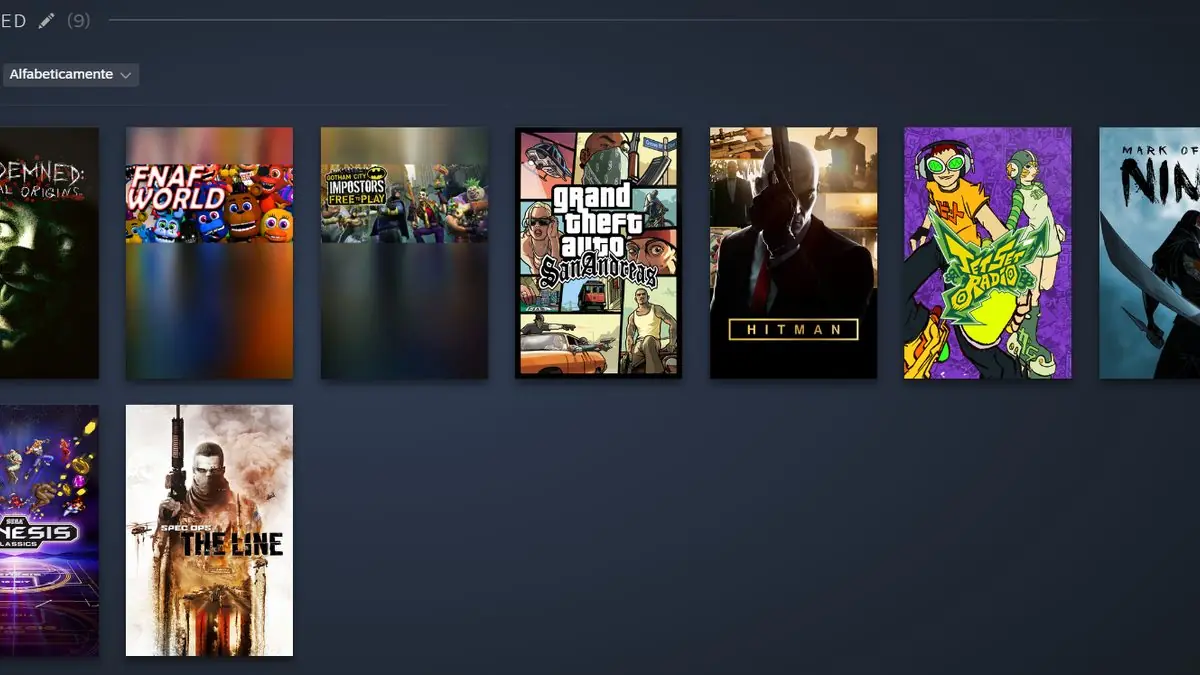
The story starts simple enough. A Reddit user decided to show off something most gamers don’t think twice about – games they own that nobody else can buy anymore. But when u/IceWallowCaulk shared their collection, it struck a nerve with the gaming community.
“My collection of delisted games” – u/IceWallowCaulk on r/Steam
What started as a simple post has turned into something deeper. It’s a reminder that in our rush toward digital convenience, we’ve created a new kind of scarcity. These aren’t rare cartridges gathering dust in someone’s closet. They’re digital ghosts – games that exist in libraries but can never be purchased again.
The collection represents more than just software. Each delisted game tells a story. Maybe it’s a licensed title where the rights expired. Perhaps it’s an indie game whose developer couldn’t afford to keep it updated for new systems. Or it could be part of a larger corporate shuffle where entire catalogs get buried.
Steam users know this anxiety well. You log in one day to find a game you’d been meaning to buy has simply disappeared. No fanfare, no goodbye tour. Just gone. The only trace left behind are the fortunate few who grabbed it before the axe fell.
This creates an odd dynamic in gaming culture. Collectors used to hunt for rare physical copies at flea markets and garage sales. Now they’re racing against delisting announcements, trying to preserve access to games that might never return. It’s digital hoarding with a noble cause.
The preservation angle matters more than most people realize. Games tell the story of our culture just like books or movies. When they disappear from storefronts, we lose pieces of that narrative. Future gamers won’t understand references to forgotten titles. Critics can’t analyze games they can’t access. History gets written by the survivors.
There’s something poetic about individual collectors becoming the unofficial guardians of gaming heritage. They’re not museums or institutions with preservation mandates. They’re just people who happened to click “buy” at the right time. Their personal libraries have accidentally become cultural archives.
The Steam platform adds another layer to this story. Unlike physical media, these games live in Valve‘s ecosystem. Players don’t really own them in the traditional sense – they own licenses to access them. That license survives delisting, but it’s tied to an account, a platform, a company’s continued existence.
What happens to these preserved games when Steam eventually shuts down? The question sounds dramatic now, but every digital platform has a lifespan. Services that seemed permanent have vanished before. When they do, they take entire libraries with them.
Some developers have started embracing preservation efforts. They release games on DRM-free platforms or open-source their code when licenses expire. But these remain exceptions rather than rules. Most delisted games simply fade away, existing only in the libraries of early adopters.
The community response to collections like this one reveals how much gamers value access to their hobby’s history. Comments sections fill with stories about missed opportunities and games that got away. People share lists of titles they grabbed just before delisting. There’s a shared understanding that digital ownership requires vigilance.
This preservation instinct extends beyond individual collections. Fan communities work to document delisted games, creating unofficial archives and databases. Emulation projects keep old titles playable on modern systems. Gaming historians interview developers before their stories are lost.
The bigger picture here touches on fundamental questions about digital media ownership. When we buy a game digitally, what are we actually purchasing? How long should that access last? Who’s responsible when games become unavailable?
These questions don’t have easy answers. Publishers have legitimate reasons for delisting games – expired licenses, technical issues, legal concerns. But the result is the same: pieces of gaming culture slip into the void.
Looking ahead, the preservation challenge will only grow. As gaming moves increasingly toward digital distribution and live service models, the risk of content disappearing increases. Games that require online servers face eventual sunset dates. Cloud gaming services can pull titles from their catalogs without warning.
The collectors documenting their delisted libraries today might be the only reason future generations can experience certain games at all. They’re writing history one purchase at a time, creating accidental museums in their Steam accounts.
In a medium that’s always looking toward the next big thing, there’s something valuable about people who refuse to let the old things disappear. Their collections tell a story about what gaming was, and what we risk losing if we don’t pay attention to preservation.
Sometimes the most important archives start as personal hobbies. Sometimes saving gaming history is as simple as clicking “add to cart” before time runs out.