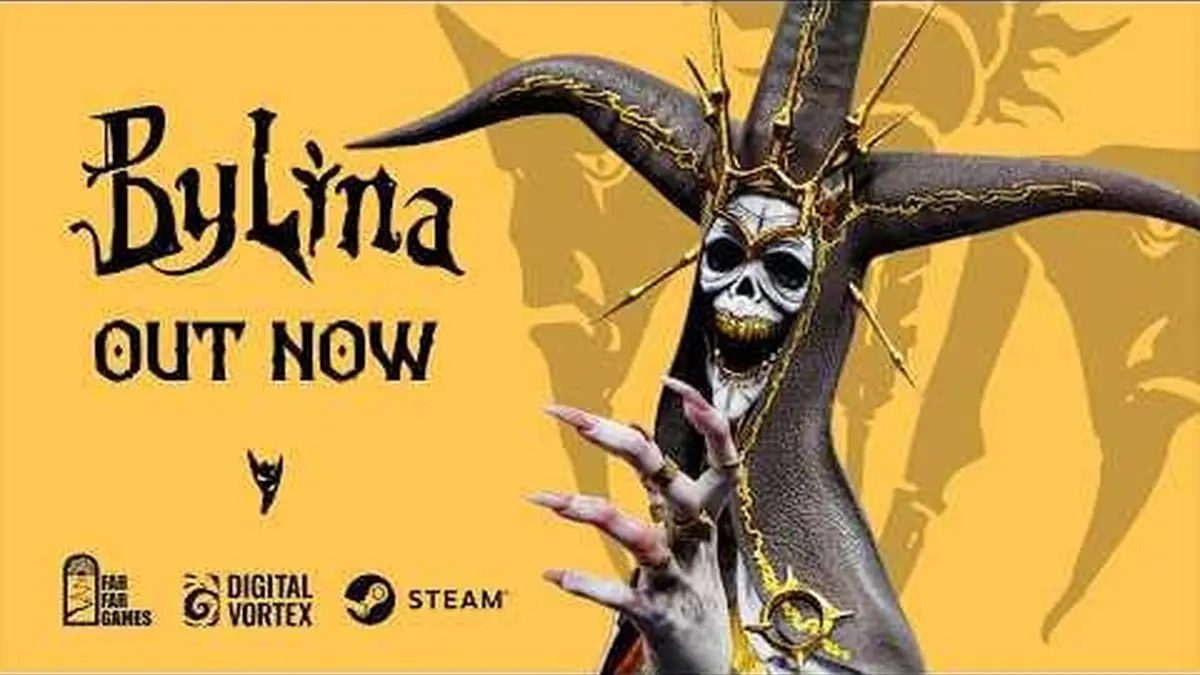
Slavic folklore just got its moment in the gaming spotlight. Digital Vortex Entertainment dropped Bylina on Steam, and it’s bringing ancient legends to life in ways we haven’t seen much before.
This isn’t your typical fantasy RPG with elves and dragons. Bylina digs deep into Slavic mythology, the kind of stories our grandparents might have heard growing up in Eastern Europe. We’re talking about creatures like the Domovoi (house spirits), Rusalka (water spirits), and the terrifying Baba Yaga with her chicken-legged hut.
The PC gaming community is starting to take notice. Over on r/pcgaming, players are sharing the news:
“[Bylina] Slavic folklore-inspired RPG is now available on Steam!” – r/pcgaming
What makes this release interesting is the timing. We’ve been seeing more developers move away from the same old fantasy tropes. Norse mythology got huge thanks to God of War. Greek myths never really left thanks to Hades. But Slavic folklore? That’s still pretty fresh territory for most of us.
Slavic mythology is wild when you dig into it. These aren’t just different names for familiar creatures. The stories come from a completely different worldview. Death isn’t always evil. Nature spirits can help or harm depending on how you treat them. Magic flows through everyday objects and places.
Baba Yaga alone could carry a whole game. She’s not just a witch – she’s a force of nature who tests heroes. Sometimes she helps, sometimes she destroys, always on her own terms. Her hut walks around on chicken legs because why wouldn’t it? That’s the kind of creative freedom Slavic folklore offers developers.
Digital Vortex Entertainment isn’t a household name yet, but that’s typical for indie studios tackling niche subjects. The best cultural adaptations often come from smaller teams who care deeply about getting the details right. Big studios play it safe with familiar mythology because it’s easier to market.
The indie RPG scene has been hungry for fresh cultural perspectives. We’ve seen great games pull from African folklore, Native American traditions, and Asian mythology. Each one brings something new to the table that we never knew we wanted.
Bylina’s Steam page promises an authentic take on these stories. That word “authentic” matters a lot here. Too many games just slap on surface-level cultural elements without understanding the deeper meaning. Real folklore isn’t just monster designs – it’s entire ways of thinking about the world.
Slavic countries have rich gaming traditions too. The Witcher series showed us how powerful these stories could be when handled with respect. CD Projekt Red proved that audiences would embrace unfamiliar mythology if the storytelling was strong enough.
The timing feels right for more games like this. Players are getting tired of the same fantasy settings over and over. We want to explore new worlds, meet different kinds of heroes and villains. Slavic folklore delivers that in spades.
Think about it – how many RPGs let you bargain with house spirits or navigate the complex rules of forest magic? Most fantasy games treat magic like a video game mechanic. Slavic folklore treats it like part of daily life, with real consequences and social rules.
The visual potential is huge too. Slavic art traditions are gorgeous and underrepresented in gaming. Intricate wooden architecture, colorful folk costumes, and landscapes that feel both beautiful and slightly threatening. Digital Vortex has a goldmine of inspiration to work with.
This could be the start of something bigger. If Bylina finds its audience, we might see more developers exploring Slavic themes. The mythology is deep enough to support multiple games, each focusing on different regions or time periods.
What’s next for culturally-inspired RPGs? The possibilities are endless. Every culture has stories worth telling, heroes worth meeting, and worlds worth exploring. Bylina might just be the game that convinces more developers to dig deeper into their own traditions.
For now, PC players have something genuinely different to explore on Steam. Whether Bylina delivers on its folklore promises remains to be seen, but just having the option feels like progress. We need more games willing to take us somewhere we’ve never been before.