There’s something beautifully tragic about a strategy guide that’s been loved to death. Pages missing, covers torn, spine cracked from years of desperate page-flipping during boss fights. They look like ancient tomes from a forgotten library, but to their owners, they’re priceless artifacts.
This week, gamers started sharing photos of their most battle-scarred guides, and the results tell a story that goes way deeper than gaming nostalgia. It’s about the relationship between player and text, the physical connection to virtual worlds we’re slowly losing in our download-everything era.
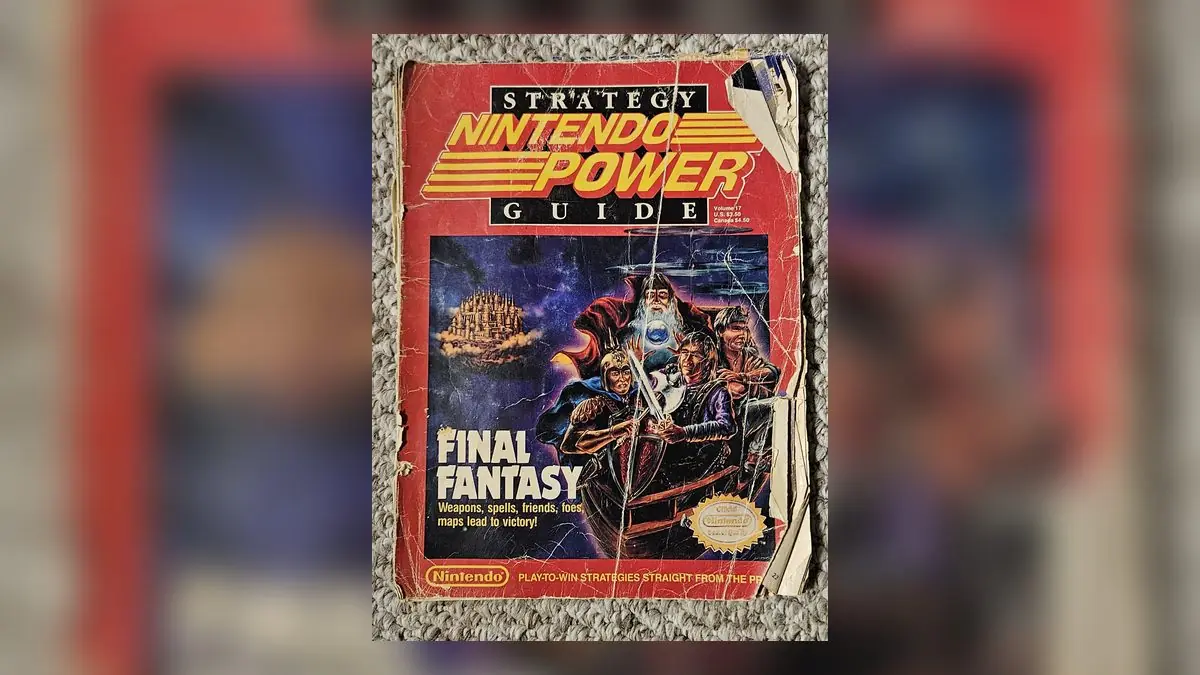
“Are we posting pictures of our oldest strategy guides? Here’s mine – Final Fantasy. It’s seen a whole lot of love. I’ve used it many times throughout the years. Unfortunately it’s missing a few pages, but I still love it. Probably not worth a lot in its condition, but to me it’s priceless.” – u/Shadowkiller00 on r/gaming
That post captures something essential about how we form emotional bonds with objects that helped us through difficult gaming moments. These weren’t just instruction manuals. They were companions, maps to impossible worlds, lifelines when we were stuck.
The trend exploded across Reddit and Twitter, with gamers posting photos of guides that look like they survived actual wars. Final Fantasy guides seem especially beloved, probably because those games were famous for their complexity and hidden secrets. You needed those thick books to unlock everything the game had to offer.
But here’s what’s really interesting about this trend: people aren’t showing off rare collectibles or bragging about valuable items. These guides are worthless in monetary terms. Beat up, incomplete, sometimes held together with tape. Yet people post them with genuine pride and affection.
It speaks to something we’ve lost in the age of wikis and YouTube walkthroughs. There was intimacy in sitting with a physical guide, marking pages with Post-it notes, writing in the margins. You’d develop a personal relationship with specific pages, remembering exactly where to find the chocobo breeding chart or the materia combinations.
These guides were also social objects in ways that digital walkthroughs aren’t. You’d loan them to friends, argue over strategies, gather around one guide during sleepovers. They lived in backpacks, got dropped in puddles, accumulated the wear patterns of real use.
The cultural significance runs deeper than nostalgia. Strategy guides represented a different relationship between publishers and players. Companies invested in these elaborate, illustrated books because they understood that games were becoming complex enough to need proper documentation. They sold you more than a game. They sold you a complete world with its own literature.
Final Fantasy guides, in particular, were works of art. They contained character backstories, world-building details, and artwork that expanded the game’s universe. Game manual mixed with art book and novel. Reading them felt like studying the mythology of a real place.
What makes this trend particularly poignant is timing. We’re living through the death of physical gaming media. Most games don’t even come with basic instruction booklets anymore, let alone elaborate strategy guides. Everything’s been moved online, streamlined, digitized.
There’s efficiency in that shift, sure. Online guides can be updated, corrected, expanded. They’re searchable and shareable. But they don’t accumulate the same emotional patina that comes from physical ownership and use.
The missing pages in these old guides tell their own stories. What sections were used so much they literally fell apart? What bosses were so tough that entire pages got worn away from constant reference? These guides are archaeological records of our gaming struggles.
It’s also worth noting how these guides served different purposes than modern walkthroughs. They were comprehensive rather than specific. You bought the whole book and discovered secrets you weren’t even looking for. Modern guides are more targeted. You search for exactly what you need and ignore the rest.
The community response to these posts has been overwhelmingly warm and understanding. People share their own guide memories, joke about the specific damage patterns, express regret about guides they threw away or lost. There’s a shared recognition that these objects held special meaning.
Some collectors have started hunting down pristine copies of these guides, but that misses the point entirely. The value comes from evidence of use, proof that these books were essential tools in someone’s gaming journey.
This trend reflects broader questions about digital preservation and ownership. When everything lives in the cloud, what happens to the personal artifacts that mark our relationship with media? Can a bookmarked webpage carry the same emotional weight as a dog-eared guide?
As gaming continues its march toward digital-only distribution, moments like these remind us what we’re leaving behind. We’re losing the objects and the different way of engaging with games that required patience, preparation, and physical commitment.
The guides may be worthless to collectors, but they’re priceless to the people who lived with them. That’s a distinction worth remembering as we design the future of how players interact with games. Sometimes the most valuable things are the ones that show their wear.