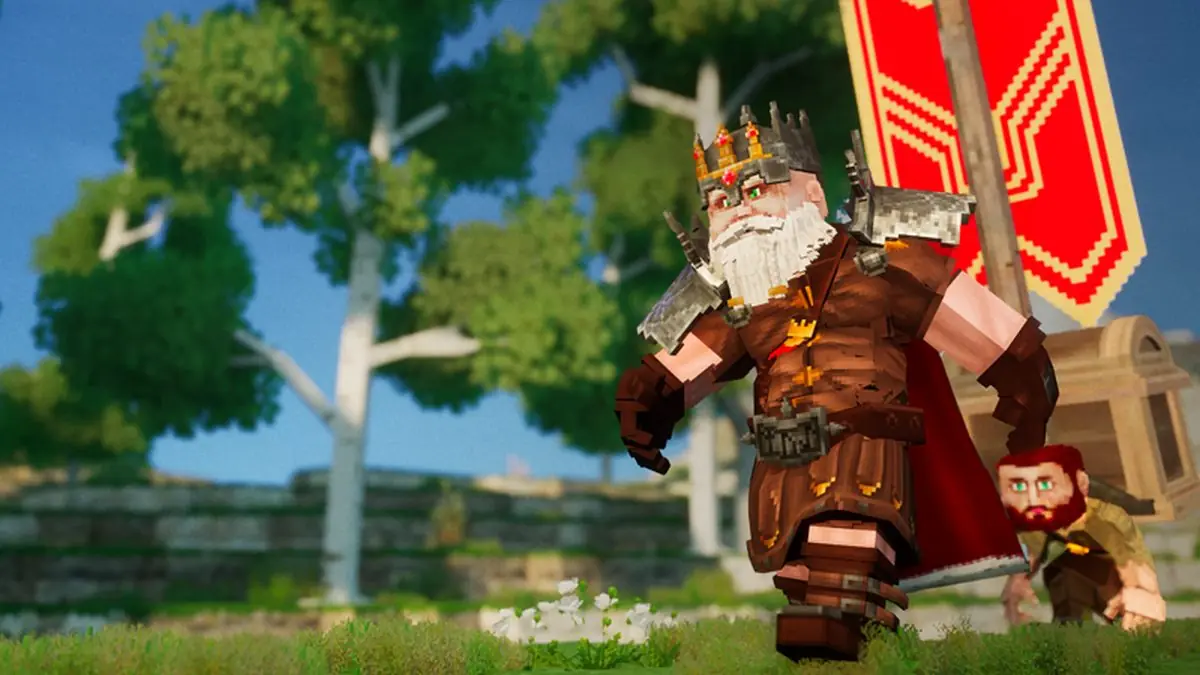
Castle Craft just hit version 1.0, and honestly? This is how you do an indie release right. After more than a year of polishing, Twin Earthling has shipped something that feels genuinely finished instead of just calling it done and moving on.
The big headline feature is the level editor with Steam Workshop integration. Not revolutionary, but it’s executed well. Players can build custom maps and share them directly through Steam’s infrastructure. No third-party hosting, no complicated file sharing. Just click, download, play. Including a dedicated Skirmish mode specifically for player-made maps shows they actually thought this through.
“After more than a year of implementing your fantastic feedback, squashing more bugs than our house cat Lucky, and wringing enough performance out of the engine that even our ancient laptop can run it – we’re finally ready to call Castle Craft ready for 1.0!” – Castle Craft on Steam
But the real tech improvements are under the hood. The fluid simulation isn’t just eye candy. Water, lava, and swamp actually impact gameplay now. That matters because too many indie games add physics systems that look cool but don’t change how you play. Here, you have to think about liquid placement and flow when designing defenses.
The day and night cycle plus weather system could’ve been pure cosmetic fluff. Instead, Twin Earthling tied it into the game mechanics. Castles genuinely look different at dusk, which affects visibility and strategy. Weather changes how certain units and buildings perform. These aren’t massive gameplay shifts, but they’re meaningful enough to notice.
Performance improvements deserve special mention. The developers specifically called out getting their “ancient laptop” to run the game smoothly. That’s the kind of optimization work that separates serious indies from hobby projects. They built their own custom voxel engine, which explains why they could squeeze better framerates out of older hardware. Most indie teams would’ve used Unity or Unreal and called it done.
Language support expanded to Swiss German, Ukrainian, Turkish, and Czech. Not flashy, but it shows commitment to reaching players beyond the English-speaking market. Small teams usually can’t afford proper localization, so this investment suggests they’re thinking long-term.
The missing piece is multiplayer. Twin Earthling was upfront about this. As a two-person team, they had to choose between shipping a polished single-player experience or rushing to add multiplayer that might not work well. They picked quality over features. Smart move.
What’s interesting is their technical foundation. The custom voxel engine was apparently built with multiplayer in mind from the start. That suggests they’ve been planning ahead instead of just hoping to bolt it on later. Good engine architecture makes multiplayer possible but doesn’t guarantee it’ll happen.
The 1.0 designation actually means something here. This isn’t “early access but we’re tired of updating it.” Castle Craft feels feature-complete. The core gameplay loop works. The tech is solid. The content is there. Version 1.0 used to mean “ready for prime time,” and Twin Earthling seems to understand that.
Two new buildings (Wellspring and Scorchwell) help manage the fluid mechanics. These aren’t just reskins of existing structures. They serve specific functions in the new liquid-based gameplay systems. Thoughtful design work.
The Steam Workshop integration is particularly well-executed. Instead of just dumping a level editor and hoping for the best, they built proper sharing infrastructure. Custom maps can be rated, sorted, and discovered through Steam’s existing systems. That network effect could keep the game relevant long after launch.
Bug fixes were extensive, though the developers admitted new ones are probably hiding in all the new code. That’s honest. Complex systems always have edge cases, especially fluid simulation and dynamic lighting. The important thing is they’re standing by to patch issues as they surface.
Multiplayer remains the big question mark. The groundwork exists, but implementing networked play for a physics-heavy strategy game isn’t trivial. Synchronizing fluid simulations across multiple clients while maintaining smooth performance? That’s genuinely difficult technical work.
Still, Twin Earthling has earned some trust here. They spent over a year polishing instead of rushing to market. They built proper tools for community content creation. They optimized for older hardware instead of just demanding better specs.
Castle Craft 1.0 represents what indie development should look like when it’s done right. Technical competence, community focus, and honest communication about limitations. Whether multiplayer ever happens, the foundation is solid enough to support whatever comes next.