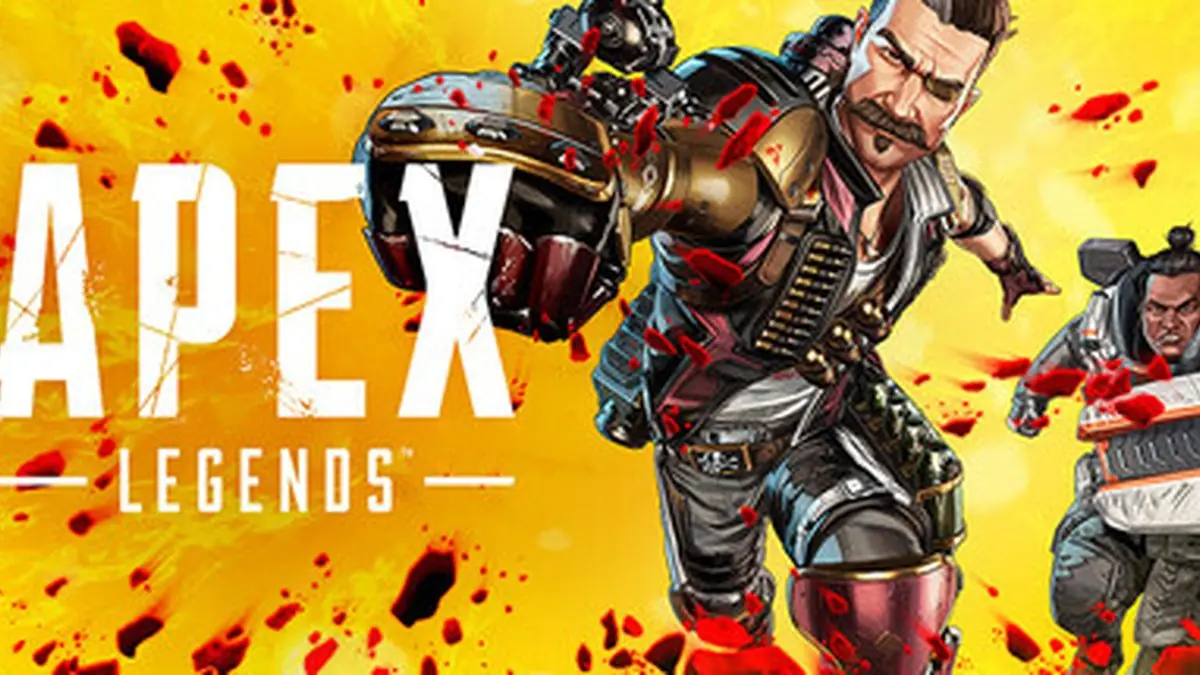
Every legend has their stumble before the comeback, and today Respawn Entertainment proved that even developers can have their clutch moments. After a technical fumble that left Apex Legends players staring at broken battlepass progression, the studio pulled off what might be the most important patch rollback in recent memory.
The story reads like a classic redemption arc — initial confidence, unexpected failure, strategic retreat, and ultimately, triumph. It’s the kind of narrative that would make Wraith proud, complete with dimensional rifts between broken and working code.
“Apex Legends: Latest Update 4/17/26
Hey all, a quick follow up to the bug updates from yesterday. We had to roll back the initial fix, but believe everything should be in order now!
FIXED:
– Battlepass progress now extends beyond level 60, as intended
– Daily and Weekly Challenges now appropriately contribute to Battlepass progression
– Zero Strike skydive emote image displays placeholder texture” — @RSPN_Bean
The language here tells its own story. That phrase “had to roll back” carries the weight of admission — this wasn’t Plan A. In the world of live service games, rolling back a fix is like Bangalore calling for a tactical retreat. It’s not defeat, but it sure isn’t the victory you planned for either.
What makes this particularly compelling from a narrative standpoint is how it reveals the delicate ecosystem that keeps a battle royale alive. The battlepass isn’t just a progression system — it’s the heartbeat of player engagement, the contract between developer and community that says “your time matters, your progress counts.” When that breaks, it’s not just a bug. It’s a broken promise.
The technical details paint a picture of cascading failures. Battlepass progression stopping at level 60 meant countless hours of gameplay vanishing into the digital void. Daily and Weekly Challenges — those small, achievable goals that keep players coming back — suddenly became meaningless gestures. It’s like playing a story where your choices don’t matter, where character development just… stops.
Even the Zero Strike skydive emote getting stuck on placeholder textures feels symbolic. Here’s this moment of personal expression, this small piece of player identity, reduced to a generic error message. In a game built around legends and their unique personalities, even the smallest cosmetic failure becomes a crack in the world’s foundation.
But here’s where the story takes its turn. Respawn didn’t try to push through with a broken fix. They didn’t double down on a failing strategy like so many studios might. Instead, they did something that requires both technical skill and narrative wisdom — they stepped back, regrouped, and came back stronger.
This kind of transparency in communication feels increasingly rare in an industry often criticized for its silence during crises. The tweet’s casual tone — “Hey all” — reads like a legend checking in with their squad after a rough round. There’s accountability without drama, problem-solving without excuses.
From a world-building perspective, this episode reinforces something important about the Apex Games universe: adaptability matters more than perfection. Just like the legends themselves, who must constantly adjust their strategies mid-match, Respawn showed they can pivot when the situation demands it.
The broader implications stretch beyond just this one game. In an era where live service titles live or die by player trust, how a developer handles technical setbacks becomes part of their ongoing narrative. Players remember not just the failures, but how studios respond to them. Respawn’s willingness to admit the rollback and fix it properly adds another chapter to their relationship with the community.
This also highlights the complexity of modern game development, where every update ripples through interconnected systems. A fix for one element can break three others, creating problems that only become apparent once millions of players start engaging with the content. It’s like editing a story where every word change affects the entire narrative structure.
Looking ahead, this successful fix sets important expectations. Players now know that when progression breaks, Respawn will prioritize getting it right over getting it fast. That’s the kind of trust that keeps a game’s community engaged for years, not just seasons.
The timing also matters. Mid-season fixes like this can make or break player retention, especially when they involve the systems that drive daily engagement. Getting this resolved quickly means players can jump back into their progression journeys without losing momentum.
As the Apex Games continue their eternal cycle of legends rising and falling, this technical victory becomes part of the larger story. Sometimes the most important battles aren’t fought in Kings Canyon or Storm Point — they’re fought in server rooms and code repositories, where developers work to keep the legends’ world spinning smoothly.