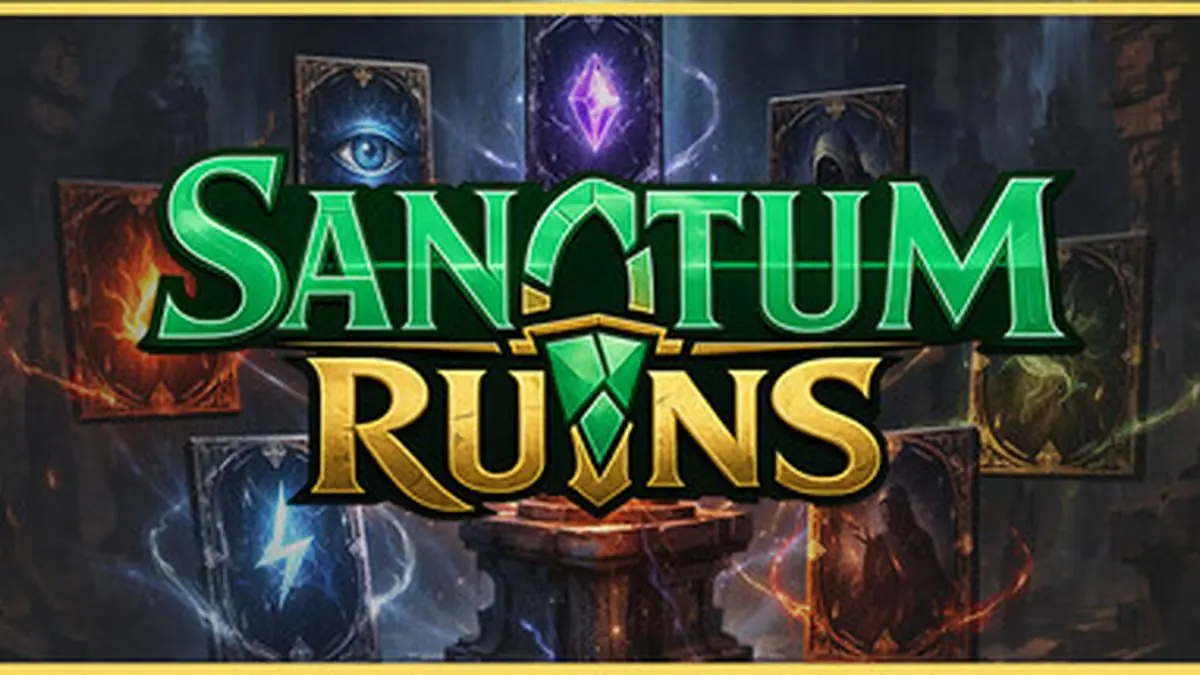
Most developers release games to make money. HAMBUƁGER just wants to have fun.
Their indie card game hit version 1.0 on Steam today. Full release. Complete game. Zero dollars. No microtransactions, no battle passes, no premium currency. Just pure card game mechanics delivered for free because the developer felt like it.
That’s rare. Most free-to-play games hook you then squeeze your wallet. This one doesn’t even try.
“Releasing v1.0 today. The classes work, all have different decks to build from, and you can play all of the Acts. Totally free – I’m just doing this for fun. There are hundreds of cards and they all do different things. Give it a shot!” — @HAMBUᗺGER
The technical specs back up the promise. Multiple character classes each get their own deck-building system. Hundreds of unique cards with different effects. Multiple Acts to progress through. That’s a complete card game by any measure.
Deck-building games live or die on variety. Too few cards and the meta gets stale fast. Too many cards without balance and chaos takes over. Finding that sweet spot takes serious design work. HAMBUƁGER seems to understand this.
The class system adds tactical depth. Different classes mean different strategies. Different strategies mean actual choices matter. Good deck builders force you to think three moves ahead while adapting to what your opponent throws at you.
Card synergy is everything in these games. You need cards that work together. Cards that counter enemy plays. Cards that set up combos. Building that kind of mechanical depth takes time and testing. The fact that this developer built it all as a side project shows real skill.
Most indie card games struggle with content volume. Creating hundreds of balanced cards is expensive and time-consuming. Big studios have teams dedicated just to card design and balance testing. Solo developers usually can’t compete on that scale.
But passion projects hit different. When someone builds a game because they want to play it, not because they want to sell it, the priorities shift. Quality over profit. Player experience over monetization metrics.
The gaming industry needs more of this. Too many studios chase trends and milk players for every dollar. Free-to-play became pay-to-win. Season passes became mandatory. Cosmetics cost more than full games used to.
HAMBUɓGER’s approach cuts through all that noise. Here’s a game. It’s done. It’s free. Play it if you want. No strings attached.
That confidence shows in the release announcement. No marketing hype. No preorder bonuses. No roadmap promises. Just “the classes work” and “give it a shot.” Military-level briefing style. Mission complete, moving on.
The developer wants feedback through Steam discussions. Smart move. Steam’s community features work well for smaller games. Direct communication between developer and players. No corporate PR filter getting in the way.
Card game communities can be hardcore. They’ll find every broken combo, every balance issue, every edge case the developer missed. But they’ll also become the game’s best advocates if it delivers on its promises.
Free releases face different challenges than paid games. No sales metrics to prove success. No revenue stream to fund updates. Just player count and community engagement. That makes word-of-mouth crucial.
The Steam algorithm treats free games differently too. Getting visibility without a marketing budget requires organic growth. Players have to discover it, try it, and tell their friends. Quality has to speak for itself.
What happens next depends on player response. If the community grows, HAMBUƁGER might add more content. If bugs surface, they’ll need patches. If balance issues emerge, they’ll need fixes. All voluntary work on a free project.
Some developers use free releases as loss leaders. Build an audience, then monetize later. But HAMBUƁGER’s messaging suggests genuine passion project territory. “Just doing this for fun” isn’t typical business speak.
The card game market has room for passion projects. Digital card games let solo developers compete with bigger studios on mechanics if not on production values. Good design beats flashy graphics every time in this genre.
Check it out on Steam if you’re into card games. Worst case, you delete a free game. Best case, you discover your next obsession. Either way, you’re supporting a developer who’s doing it for the right reasons.