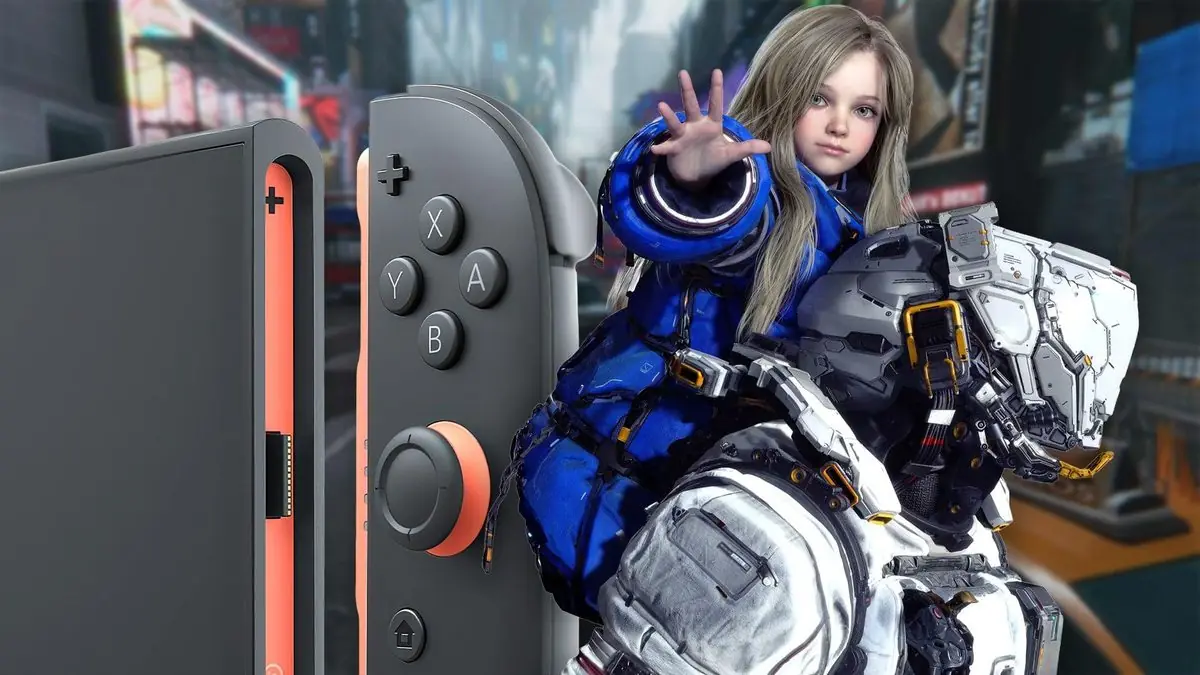
The Nintendo Switch 2’s first major technical deep-dive is here, and it’s a mixed bag. Digital Foundry just dropped their analysis of Pragmata running on Nintendo’s new handheld, and the results paint a picture of ambitious porting held back by some serious performance hiccups.
For anyone who’s been waiting to see how third-party AAA games will actually run on Switch 2, this is our first real look at the hardware’s capabilities beyond Nintendo’s own optimized titles. Pragmata represents exactly the kind of demanding modern game that the original Switch could never handle.
The gaming community is buzzing about the technical breakdown. Digital Foundry’s reputation for thorough analysis makes their findings particularly noteworthy for anyone trying to understand what Switch 2 can actually deliver.
“Digital Foundry: Pragmata On Switch 2: An Ambitious Port Held Back By Variable Performance” — r/NintendoSwitch
The phrase “variable performance” is doing a lot of heavy lifting here, but it typically means frame rate drops, resolution scaling, or loading issues that come and go depending on what’s happening on screen. For a game like Pragmata, which features detailed environments and complex lighting, these kinds of performance swings can really mess with the experience.
What makes this particularly interesting from a technical standpoint is that Capcom clearly pushed hard to get this running on Switch 2. The fact that Digital Foundry calls it “ambitious” suggests they’re attempting visual features and effects that are genuinely impressive for handheld hardware. But ambitious doesn’t always mean smooth.
Variable performance usually points to optimization issues rather than hardware limitations. When a game runs fine sometimes but struggles in specific scenarios, that’s often a sign that the port could be improved with better resource management or more aggressive dynamic scaling.
The timing of this analysis is crucial. We’re still in the early days of Switch 2’s lifecycle, and launch-window ports are notorious for being less polished than games developed specifically for the hardware. Remember how rough some early Switch ports were before developers really figured out the platform’s sweet spots.
From a technical perspective, Pragmata is exactly the kind of stress test Switch 2 needs. It’s a current-gen game with demanding visuals that wasn’t designed with Nintendo’s hardware constraints in mind. How well these ambitious ports perform will determine whether Switch 2 can truly bridge the gap between handheld convenience and modern gaming experiences.
The fact that Digital Foundry is covering this at all suggests the port is at least functional enough to be worth analyzing. Their technical breakdowns usually focus on games that have something interesting to say about hardware capabilities, whether positive or negative.
For players considering a Switch 2 purchase, this kind of analysis is gold. Variable performance might be acceptable for some players who prioritize portability over perfect frame rates. Others might prefer to stick with PC or console versions for the most consistent experience.
The bigger question is whether these performance issues are fixable through patches. Modern games get ongoing optimization updates, and Capcom has a decent track record of supporting their ports post-launch. If the foundation is solid but the execution needs work, that’s a very different situation than fundamental hardware limitations.
Looking ahead, this analysis sets important expectations for other major third-party ports coming to Switch 2. Publishers will be watching closely to see how the market responds to technically ambitious but imperfect handheld versions of their games.
We’ll likely see more detailed breakdowns as other demanding games hit the platform. The real test will be whether developers can learn from these early optimization challenges to deliver smoother experiences going forward. For now, Pragmata serves as both a proof of concept and a cautionary tale about the complexities of ambitious handheld porting.