
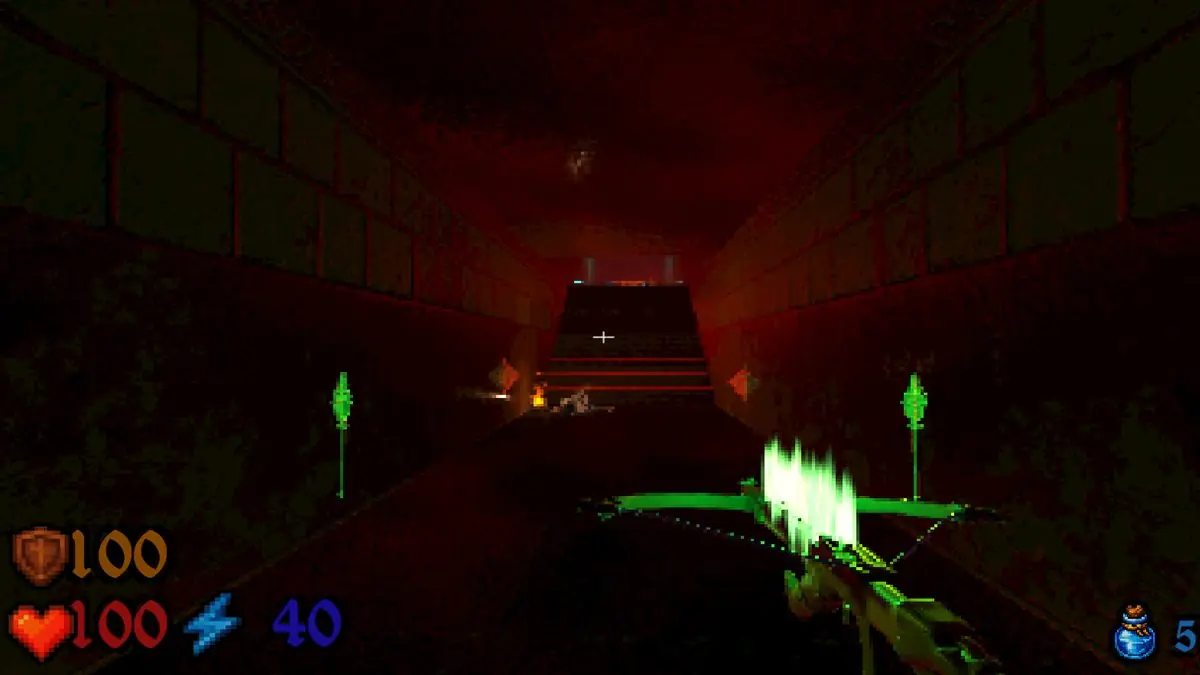
The scoreboard just lit up for indie developer Igor Meler, who’s calling an audible on their latest Steam release. In a move that shows real respect for the grind, Meler dropped their new game and immediately put the community in the starting lineup as bug hunters.
This is textbook indie playbook right here. While big studios might have armies of QA testers running endless scrimmages before launch, indie developers often turn to their most valuable players – the gaming community – to help polish their creations after the opening whistle.
“Game Release! Release is here! If you come around a bug please report! Have fun!” — Igor Meler on Steam
That’s the kind of straight-shooting communication that builds championship teams. No fancy marketing speak, no corporate playbook – just a developer who knows their community has their back.
Meler’s approach here is pure fundamentals. Launch day for indie games isn’t just about crossing the finish line – it’s about starting the real season. Getting players into the game immediately and building that feedback loop is like having the best coaching staff money can’t buy.
The indie scene has always been about heart over budget, and this launch perfectly captures that underdog mentality. When you’re not backed by a major publisher’s war chest, you make every player count. You turn your community into your quality assurance team, your marketing department, and your biggest supporters all rolled into one.
This strategy has been paying dividends across the indie landscape for years. Games like Hades, Hollow Knight, and Stardew Valley all started with developers who understood that their community wasn’t just buying a product – they were joining a team. The feedback, the bug reports, the word-of-mouth recommendations – that’s how indie games go from unknown quantities to household names.
The timing of Meler’s call for bug reports shows smart game management too. Strike while the iron’s hot, get that initial player feedback flowing, and use those early adopters to fine-tune the experience for the wider audience. It’s like getting your MVP players to help scout the opposition before the big games.
What makes this approach even more impressive is the trust factor. Meler’s essentially saying, “I believe in this game enough to put it out there, and I trust you to help make it even better.” That’s not something you see from every corner of the gaming industry these days.
The indie development circuit has always been about building those genuine connections between creators and players. When a developer asks for bug reports, they’re not just looking for technical feedback – they’re inviting players to be part of the development process. Every bug report becomes a collaboration, every suggestion a potential game-changer.
For players jumping into Meler’s new release, this is your chance to be more than just a consumer. You’re getting recruited as part of the development squad, helping shape the final form of this game. That’s the kind of direct impact that makes indie gaming special – your feedback might literally change how the game plays for everyone who comes after you.
Looking ahead, this community-first launch strategy could set the tone for the entire lifecycle of Meler’s game. Developers who start strong with community engagement often build the most dedicated player bases. Those early bug reporters might become the game’s biggest champions, spreading the word and helping build momentum for future updates or even sequels.
The ball’s in the community’s court now. Meler made their move – a clean, confident release with an open invitation for collaboration. How the gaming community responds will determine whether this becomes just another indie release or the start of something bigger. Either way, it’s exactly the kind of authentic, player-focused approach that keeps the indie scene thriving.