Picture this: a robot writes a game, another robot reviews it, and real humans are left wondering what’s even real anymore. That’s exactly what’s happening on Steam right now, and it’s like watching a digital snake eat its own tail.
Steam has always been a battleground between authentic creators and content farmers. But now we’ve reached a new level of meta-weirdness that feels straight out of a cyberpunk novel. The review system that gamers rely on to find hidden gems and avoid shovelware is getting flooded by the very thing it’s supposed to help us escape.
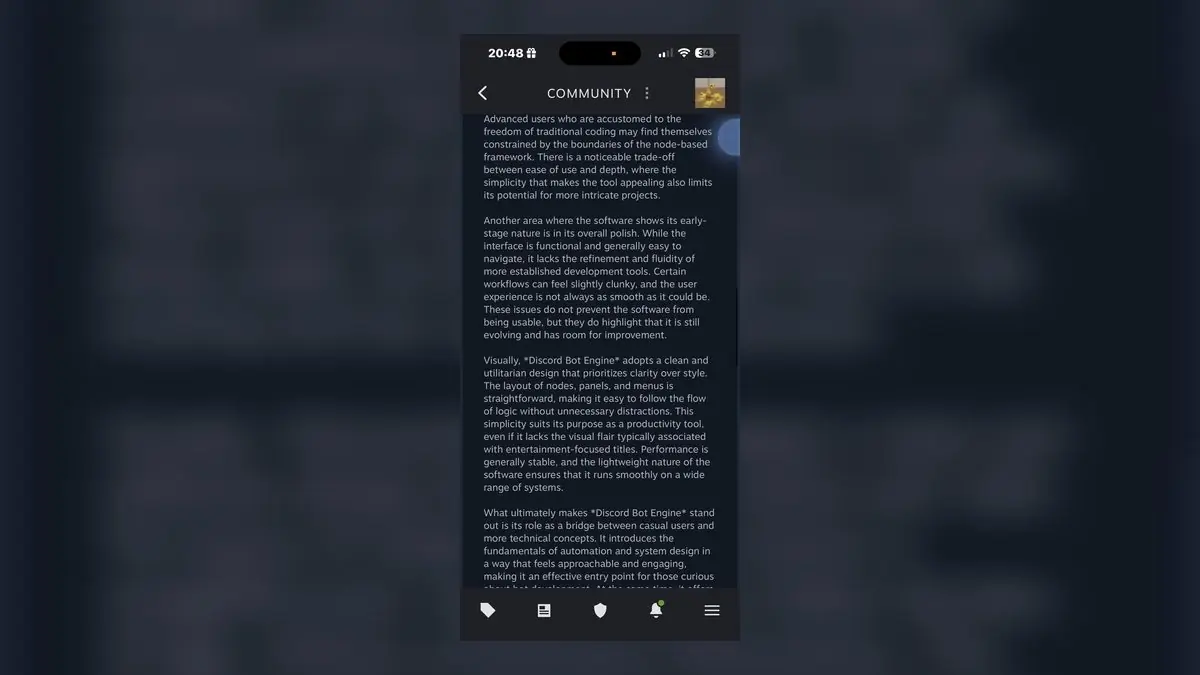
“We are getting AI generated reviews for AI generated apps now” — u/devvyyxyz on r/Steam
This Reddit post captures something that feels inevitable but still hits like a plot twist. We’ve gone from worrying about fake human reviews to dealing with fake AI reviews for fake AI games. It’s like finding out your favorite book was written by a robot, then discovering the five-star review that made you buy it was also written by a robot.
The implications go deeper than just cluttered storefronts. When AI reviews AI-generated content, we lose the human element that makes reviews valuable in the first place. Real reviews tell stories about late-night gaming sessions, frustrated moments, and those magical “just one more turn” experiences. They capture the emotional journey that numbers and features can’t convey.
But AI-generated reviews? They’re just pattern matching and keyword stuffing. They might say a game has “engaging gameplay” or “stunning visuals,” but they can’t tell you how it made someone feel at 2 AM when they finally beat that impossible boss.
This creates a feedback loop that’s almost poetic in its absurdity. AI learns from existing reviews to write new ones, which then influence future AI content creation, which gets reviewed by more AI, and the cycle continues. We’re watching artificial intelligence bootstrap itself into relevance while actual human experiences get buried under layers of synthetic content.
The problem isn’t just about Steam’s algorithm struggling to detect AI content. It’s about the erosion of authentic community voices that make gaming culture special. When a real player writes a passionate review about how a game helped them through a tough time, that’s not just product feedback—it’s human connection.
Think about the last time a Steam review made you laugh or convinced you to try something new. Those moments happen because real people put pieces of themselves into their writing. AI can mimic the structure and tone, but it can’t replicate the lived experience behind authentic reviews.
This trend also raises questions about Steam’s curation philosophy. The platform has always walked a fine line between being open to creators and maintaining quality standards. Now they’re facing a challenge that requires new tools and policies to distinguish between genuine and artificial content.
Other platforms have struggled with similar issues. YouTube dealt with AI-generated comments, social media platforms battle bot farms, and now gaming marketplaces are the next frontier. Each platform’s response shapes how AI integration evolves across the internet.
The silver lining? Communities like r/Steam are actively calling out these patterns. Real users are becoming digital detectives, spotting artificial content and sharing their findings. It’s grassroots quality control in action, proving that human intuition still has value in an increasingly automated world.
Looking ahead, Steam will need to develop better AI detection tools or risk losing user trust in their review system. Valve has been relatively hands-off with content moderation, but this situation might force their hand. We could see new verification systems, review authenticity scores, or even AI-powered tools to catch AI-generated content.
The irony isn’t lost on anyone—fighting AI with AI while trying to preserve human authenticity. But that might be the reality of modern platform management.
For now, savvy Steam users are learning to read between the lines, checking reviewer profiles and looking for genuine detail in feedback. It’s turning review reading into a skill, which adds an extra layer of work to what should be a simple discovery process.
This AI review situation is just one chapter in a larger story about artificial intelligence reshaping gaming culture. How platforms respond will determine whether AI becomes a tool that enhances human creativity or a flood that drowns out authentic voices.