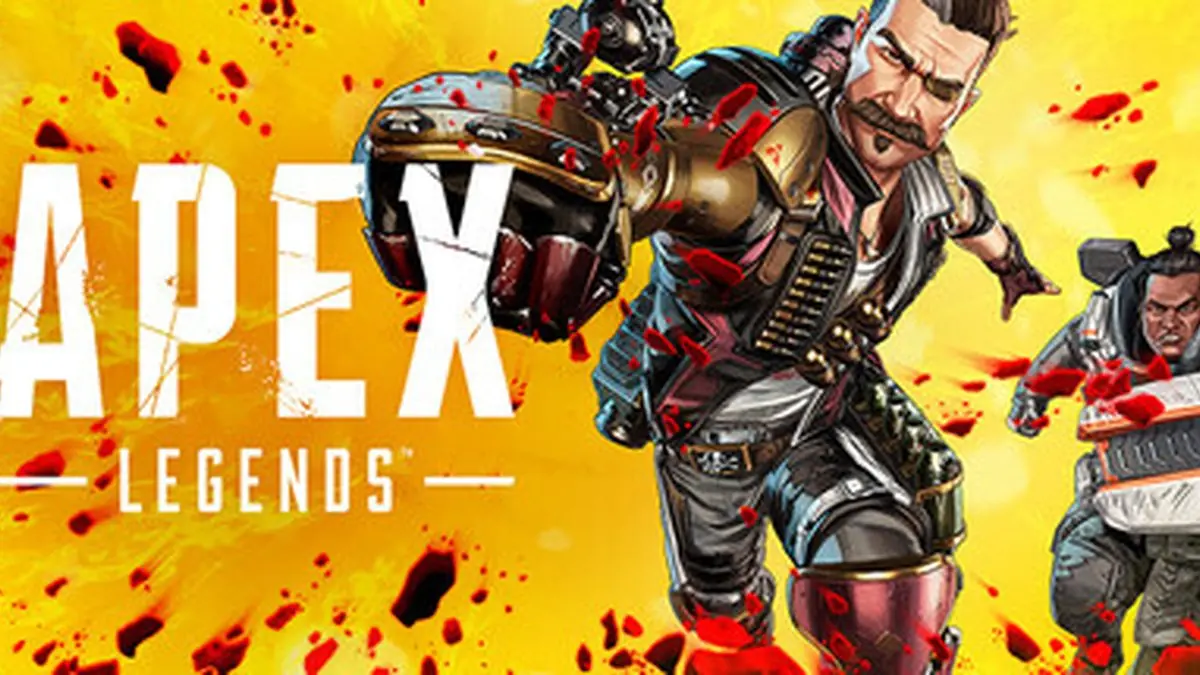
When your favorite Legend doesn’t look right, it breaks more than just the game—it breaks the connection between player and character. That’s exactly what Apex Legends players have been dealing with lately, and Respawn Entertainment just dropped a fix that goes deeper than surface-level polish.
The latest update tackles some pretty specific character issues that veteran players will definitely notice. Catalyst’s Toxic Empress skin was missing its signature glow effects, Valkyrie’s jetpack handles kept vanishing, Fuse’s Knuckle Cluster holder wasn’t showing up, and Wattson players were hearing phantom sounds from her tactical abilities. These might sound like small things, but in a game where your Legend is your identity, every detail matters.
“Apex Legends: Latest Update 4/14/2026 Hey all, we have made the following changes. FIXED: – Catalyst’s Toxic Empress skin now has the appropriate glow visual effects, in-match – Valkyrie’s jetpack handles are no longer missing in specific scenarios – Fuse’s Knuckle Cluster holder is now properly displayed – Wattson players will no longer hear Hardlight rebuilding and being destroyed as a result of her tactical/ultimate placement in the ring – Game stability improvements on the Switch 2 We are also making the following changes to matchmaking in an effort to provide the best possible match quality for players: ADJUSTED: – We are increasing maximum queue times slightly for players at the higher end of Ranked and pubs. Our goal is tighter skill bands and more competitive games across the board. – For Drop Zone Ranked matches, we will be displaying Ranked tier distribution charts of squads, not individual players consistent with non-Drop Zone lobbies. TESTING: – We are testing a 4 hour Ranked map rotation schedule in East Asia for the rest of the split. *We do not recommend changing servers as it will result in much higher pings.” — @RSPN_Bean
But the real story here isn’t about cosmetic fixes—it’s about what Respawn is doing to the competitive ecosystem. The matchmaking changes represent a bold shift in philosophy. By increasing queue times for higher-ranked players, they’re basically saying that waiting a bit longer is worth it for more balanced matches.
This speaks to a larger narrative tension in competitive gaming. Do you prioritize speed or quality? Most players will tell you they’d rather wait two extra minutes for a fair fight than get stomped in 30 seconds by someone way above their skill level. It’s about preserving the integrity of the ranked experience and making sure every match feels meaningful.
The Nintendo Switch 2 improvements are particularly interesting from a storytelling perspective. Here’s a platform that’s bringing Apex to a whole new audience, and Respawn is making sure those players get the same smooth experience as everyone else. No second-class citizens in the Outlands.
The experimental 4-hour ranked map rotation in East Asia hints at something bigger too. Traditional map rotations can feel pretty stale after a while, and mixing things up more frequently could keep the competitive meta from getting too settled. It’s like having different stages for different acts of the same story—each map brings out different strategies and playstyles.
The Drop Zone changes are smart too. Showing squad rankings instead of individual player rankings makes more sense for team-based gameplay. It’s about the collective story your squad tells, not just individual prowess.
What’s really fascinating is how these updates reveal Respawn’s approach to community feedback. The character fixes show they’re paying attention to the details that matter to dedicated players. These aren’t game-breaking bugs—they’re the kind of polish issues that only someone who really cares about their main Legend would notice.
The matchmaking tweaks suggest they’re willing to make potentially unpopular changes (longer queue times) if it means better long-term health for the competitive scene. That takes guts in an industry where player retention metrics usually rule everything.
Looking ahead, this update sets the stage for some interesting developments. If the East Asia map rotation test goes well, we could see it rolled out globally. More frequent map changes would definitely shake up the competitive meta and keep things fresh for both players and viewers.
The matchmaking improvements, if successful, could become the new standard for how battle royales handle skill-based matching. Other developers are probably watching closely to see how the community responds.
For Nintendo Switch 2 players, this update represents Respawn’s commitment to platform parity. As that player base grows, these stability improvements will be crucial for maintaining the game’s reputation across all platforms.
The character fixes, while seemingly minor, show that Respawn understands something crucial about their game—Legends aren’t just gameplay mechanics, they’re characters that players form attachments to. When Catalyst’s glow effects work properly or Valkyrie’s jetpack looks right, it reinforces that emotional connection.
This kind of attention to detail, combined with smart competitive balance changes, suggests Apex Legends is entering a new phase of maturity. It’s not just about adding flashy new content anymore—it’s about refining and perfecting the experience that already exists.