Every gladiator’s story begins in the ludus, the training school where raw recruits learn to fight, survive, and maybe even thrive. But the real story starts when they graduate to the arena. That’s exactly what’s happening with Bloodgrounds today, as Daedalic Entertainment’s gladiator combat game officially leaves Early Access behind and steps into the harsh light of version 1.0.
This isn’t just another patch or minor update. It’s a rite of passage that transforms everything about how you’ll experience life as a gladiator. The developers have crafted something that feels less like a game update and more like a character evolution arc—complete with the tools to forge your own legend and the temptations that might destroy it.
“Today, we are celebrating the full release of Bloodgrounds with version 1.0. This update, concluding the Early Access phase, adds several new game systems and mechanics, tons of bug fixes and quality of life improvements, as well as numerous balancing adjustments. However, our journey is far from over – after all, a Gladiator’s career only starts when they graduate from the Ludus and advance past the training grounds.” — Bloodgrounds on Steam
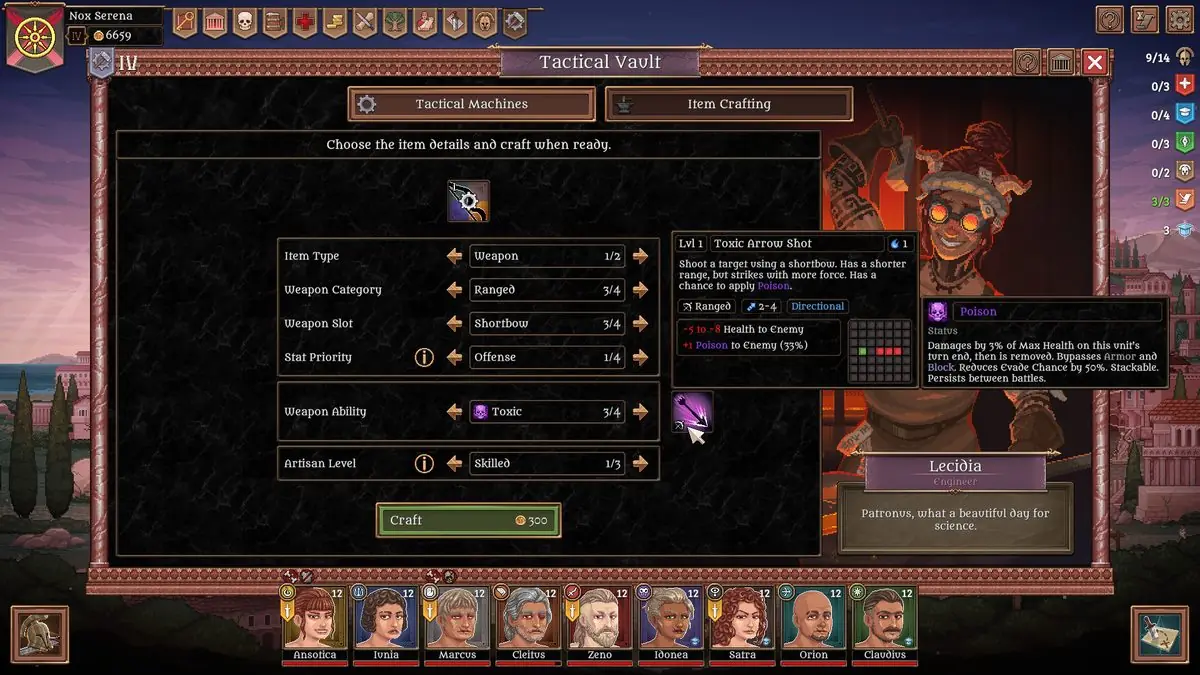
The centerpiece of this graduation ceremony is the new item crafting system, and it’s brilliant in its narrative simplicity. Meet Engineer Lecidia in the Tactical Vault, and she’ll forge whatever weapon or armor piece your heart desires. But here’s where the storytelling gets interesting: the quality of her work depends on how much coin you’re willing to part with. It’s not just about stats and numbers—it’s about your gladiator’s relationship with craftsmanship, pride, and the eternal question of whether you’re willing to pay for perfection.
This system lets you fine-tune every aspect of your gear, from weapon abilities to armor categories, even down to the type of stat bonuses you’ll receive. The Artisan Level you choose determines your chances of getting higher rarity items. It’s like commissioning a portrait of your fighting style, where every piece tells part of your gladiator’s story.
But then there’s the gambling system, and this is where Bloodgrounds shows its understanding of ancient Rome’s darker corners. Visit the Arbiter in the Dark Alley—already the setting screams of desperate choices and moral compromise. The dice game starts at just 200 gold, which sounds reasonable until you realize you’re gambling with the same currency you need for that perfect weapon.
The mechanics are deceptively simple: up to five rounds, lose once and you’re out. But the developers have added “tricks”—purchasable advantages that let you manipulate the dice for better results. It’s a perfect metaphor for corruption in the gladiatorial world. Sure, you can play fair, but when your life depends on winning, how long before you start buying those little advantages?
What makes this release fascinating from a storytelling perspective is how these two systems work together to create a complete character arc. The crafting system represents the noble path—working with skilled artisans, investing in quality, building something that lasts. The gambling represents the shortcut, the risky play, the chance to either strike it rich or lose everything in pursuit of quick gains.
It’s not just about game mechanics; it’s about the choices that define who your gladiator becomes. Are you the type who saves every coin for the finest equipment, building a reputation on skill and preparation? Or do you live on the edge, betting big and hoping luck favors the bold?
The broader context here is worth noting too. Early Access has become the new coming-of-age story for indie games. It’s where they find their voice, build their community, and figure out what they really want to be when they grow up. Bloodgrounds started as a combat-focused gladiator game, but it’s graduating as something richer—a world where every choice feels like it matters to your character’s story.
This release also represents something important for Daedalic Entertainment, a publisher known for narrative adventures and point-and-click classics. Bloodgrounds shows they can handle action games while keeping their storytelling DNA intact. The way they’ve framed these new features—not as mere gameplay additions but as extensions of the gladiator’s journey—shows that narrative thinking at work.
Looking ahead, the developers have made it clear this is just the beginning. They’ve built the foundation for a gladiator’s career progression, and version 1.0 feels like the end of the origin story. With crafting and gambling systems in place, future updates could explore faction politics, sponsorship deals, or even retirement storylines.
The real test will be whether players embrace both sides of this gladiator life—the discipline of craftsmanship and the thrill of risk. Bloodgrounds 1.0 doesn’t just give you more things to do; it gives you more ways to define who your gladiator is. And in a world where everyone’s fighting for survival, that kind of character depth might be the difference between being forgotten and becoming a legend.