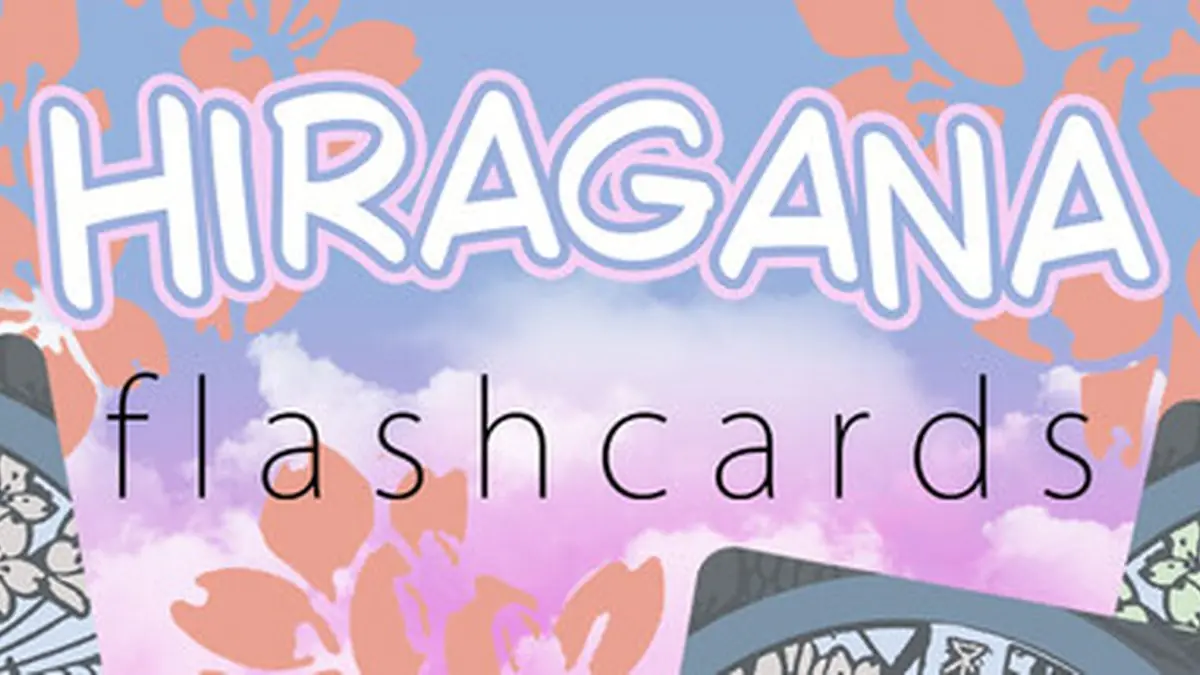
The battlefield is set. Your enemy isn’t a dragon or demon lord — it’s the mysterious symbols of the Japanese writing system. But this isn’t a fight you face alone. FlapBox has crafted a weapon to help you conquer one of gaming’s most intimidating real-world challenges: learning Japanese.
Hiragana Flashcards launched on Steam today, and it’s already making waves in the educational gaming space. This isn’t your typical classroom drill — it’s a carefully designed experience that treats language learning like the art it is.
The developer’s passion shines through in their launch announcement. They’ve created something special here.
“🎉 Hiragana Flashcards is Out Now! ⛩️🌸🍙 If you’ve ever wanted to start learning Japanese, this is a simple and engaging way to begin 🍙🌸⛩️ Making the release announcement post for a new game release is always one of the biggest highlights of working on such big projects, and this time is no different.” — @FlapBox
The developer describes seeing that “big green button” on Steam as a special moment. After showcasing during Steam Next Fest, they’ve finally reached the finish line. But this journey was far from solo — they partnered with Bixxy for the engine work, proving that even small educational projects can benefit from solid teamwork.
Not everyone’s convinced that Steam needs more educational content, though. Some gamers worry that the platform is becoming cluttered with “non-games” that don’t belong in their libraries. The age-old debate continues: what counts as a real game?
Skeptics argue that flashcard apps belong on phones, not gaming PCs. They question whether educational tools should share space with AAA blockbusters and indie darlings. Others worry that the market is getting flooded with low-effort educational content that prioritizes quick development over deep engagement.
There’s also the challenge of motivation. Learning hiragana requires daily practice and repetition — something that can feel like grinding without proper rewards. Critics wonder if gamification can truly make language learning stick, or if it’s just a temporary dopamine hit.
But here’s where things get interesting. The gaming community has always embraced challenge and mastery. Dark Souls taught us that difficulty breeds dedication. Speedrunners spend thousands of hours perfecting single levels. Fighting game players memorize frame data like sacred texts.
Learning Japanese fits perfectly into this culture of passionate practice. The same mindset that drives players to master complex combos can fuel the determination to memorize character sets. It’s all about leveling up, just in real life.
Hiragana Flashcards represents something bigger than just another educational app. It’s part of a growing movement where games become gateways to real skills. Steam has become home to typing tutors, coding challenges, and even meditation apps. The line between entertainment and education continues to blur.
This shift makes sense. Gaming culture has always celebrated learning and improvement. Streaming and content creation have turned skill development into entertainment. Why shouldn’t language learning get the same treatment?
The Japanese gaming connection adds another layer. Many Steam users already engage with Japanese content through visual novels, JRPGs, and anime-style games. Learning to read hiragana opens doors to experiencing these games in their original language. It’s not just education — it’s cultural immersion.
Steam’s global reach means educational games can find audiences they’d never reach through traditional channels. A kid in rural America can now access the same Japanese learning tools as someone in Tokyo. That’s the power of gaming platforms transcending their original purpose.
Educational games also benefit from Steam’s community features. Players can share screenshots of their progress, write reviews comparing different learning methods, and even create guides for fellow learners. The social aspect transforms solitary study into community engagement.
FlapBox isn’t stopping here. They’ve already teased future updates with new combos and themes. This suggests they’re treating Hiragana Flashcards like a live service game — constantly evolving and improving based on player feedback.
The success of educational content on Steam will likely inspire more developers to explore this space. We might see games tackling everything from math and science to music theory and art history. The platform could become an unexpected hub for lifelong learning.
As gaming culture matures, so do its applications. Hiragana Flashcards proves that Steam can be more than just an entertainment platform — it can be a tool for personal growth and cultural exploration. The future of gaming isn’t just about having fun. It’s about becoming better.