Valve’s got a problem. A big one.
Steam’s legacy DRM system is locking players out of roughly 150 classic games. We’re talking major franchises here – XCOM, Call of Duty, Left 4 Dead, Saints Row, Portal 2. All dead in the water if you want anything but the latest build.
The system causing all this chaos? Steam CEG (Custom Executable Generation). Valve rolled it out back in 2009, then quietly retired it. But the damage is done.
“Valve’s old DRM has made old versions of games that used it unplayable, help spread the word” — @Samg1n
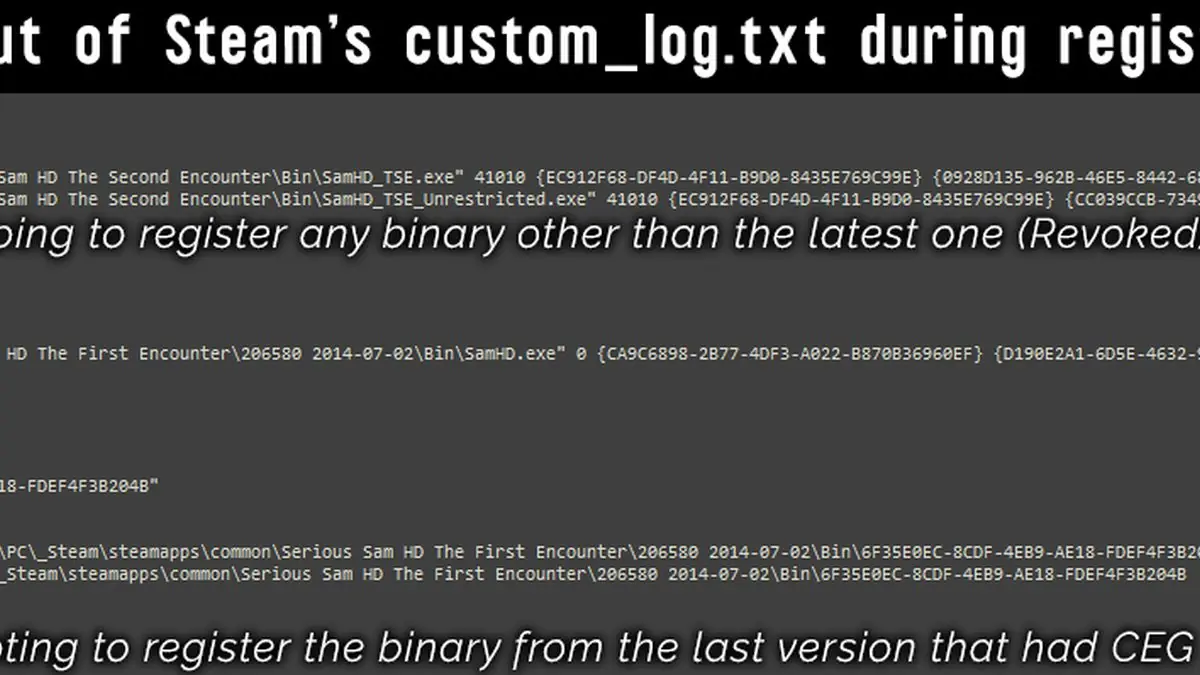
Here’s how broken this system is. When you try to run an old build, Steam’s servers just say “Request revoked.” End of story. No negotiation, no workaround. The game won’t start because critical code is literally missing from the executable.
This isn’t some minor inconvenience. It’s a tactical nightmare for the people who need these old builds most.
Speedrunners are getting hit hard. Portal 2 speedruns depend on glitches that got patched out years ago. Those runners have spent thousands of hours perfecting routes that simply don’t exist in current builds. Now they can’t access the versions they need.
Modders are in the same boat. Old game versions are often easier to work with. Fewer patches, simpler code structures, known exploits that make modding possible. All gone.
The technical breakdown is brutal. Steam CEG works by removing chunks of code from game executables before distribution. When you launch the game, Steam downloads those missing pieces and patches them back in. It’s actually clever anti-piracy tech.
But here’s the kicker – Steam only provides those code chunks for the newest version. Everything else gets a hard “no” from the servers. Since the missing code is often essential stuff, you can’t just crack your way around it. The functionality is gone.
Even developers are getting burned. Serious Sam HD: The Second Encounter devs tried to create a “speedrunning” branch with an older build. Didn’t work. Their own game, their own branch, dead on arrival thanks to CEG.
This hits different when you realize what we’re losing. These aren’t just old games – they’re gaming history. Every patch changes how a game plays. Remove access to old builds and you’re erasing years of competitive evolution.
Speedrunning communities build entire categories around specific patches. Glitches become features. Exploits become art forms. When Valve locks down old builds, they’re not just breaking games – they’re breaking cultures.
The preservation angle is serious too. Researchers studying game development need access to different builds to understand how titles evolved. Historians documenting gaming culture lose critical reference points. Future players miss out on experiencing games as they originally shipped.
What makes this especially frustrating is that Valve usually gets preservation right. They’ve kept decade-old games running when other platforms gave up. They maintain compatibility with ancient titles that barely ran on Windows XP. This CEG situation feels like an oversight, not policy.
The community response has been measured but firm. No angry mob with pitchforks – just technical documentation and polite requests for fixes. The gaming preservation community knows how to make their case without drama.
But time is a factor here. Every day this persists, more speedrunning knowledge gets lost. More modding projects hit walls. More gaming history becomes inaccessible.
The fix isn’t complicated from a technical standpoint. Valve controls the backend servers. They could modify the system to serve old builds or disable CEG verification entirely for legacy titles. The infrastructure exists.
What’s needed is priority. This affects a relatively small number of games and an even smaller number of players. But those players are often the most dedicated members of gaming communities – the people who keep old titles alive through competition and creativity.
Valve’s next move matters. They can either address this as a legitimate preservation issue or let it slide as an acceptable casualty of legacy DRM. Given their track record on community concerns, there’s reason for optimism.
The gaming community is watching. Speedrunners need their glitches back. Modders need their access restored. And everyone who cares about gaming history needs these old builds preserved.
Ball’s in Valve’s court. Time to make the call.