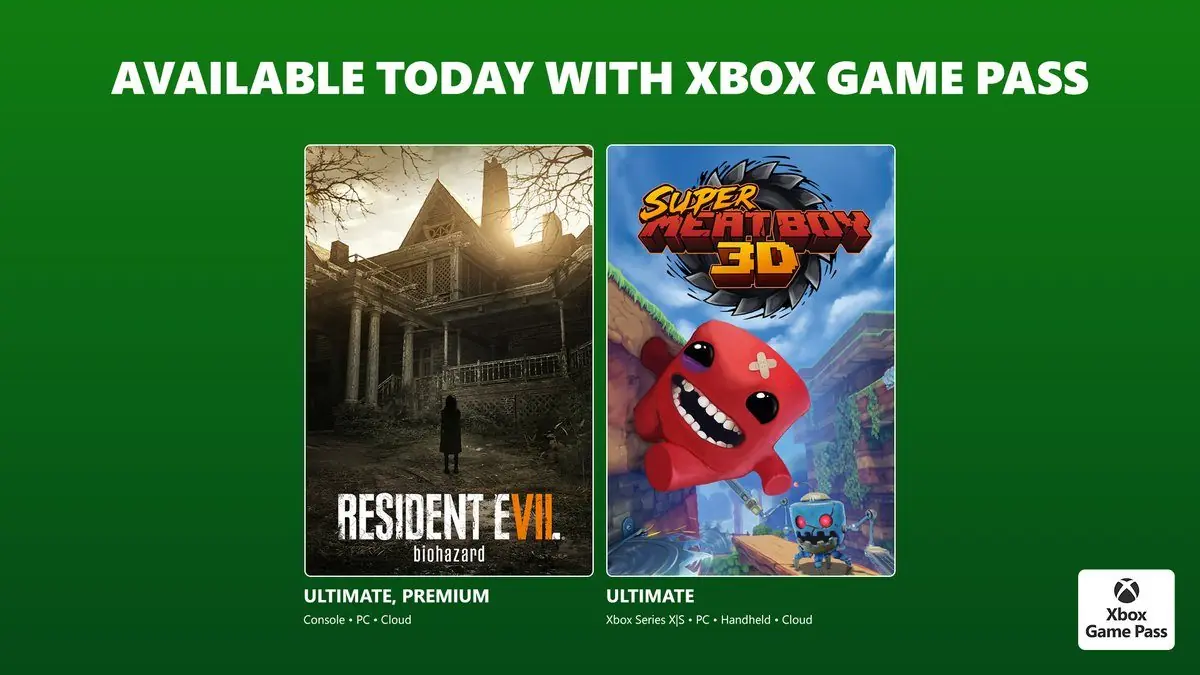
Xbox Game Pass just dropped what might be the most random gaming tweet of 2026. Out of nowhere, they decided to ask the internet if Super Meat Boy could be the biohazard in Resident Evil 7. Yeah, you read that right.
Advertisement
“do you think super meat boy is the biohazard in Resident Evil 7” — @XboxGamePass
The tweet pulled in 1,662 likes and 142 retweets, which isn’t terrible but isn’t exactly breaking the internet either. For context, that’s about what a decent meme gets on a Tuesday afternoon.
Here’s the thing though – there’s actually some twisted logic to this comparison. Super Meat Boy is literally a walking chunk of raw meat that leaves bloody trails everywhere he goes. Resident Evil 7’s whole deal revolves around biological horrors and contaminated organic matter. When you think about it, Meat Boy would fit right into the Baker family’s nightmare dinner table.
But let’s be real about what’s happening here. This is peak “how do you do, fellow kids” energy from a major gaming brand. Xbox Game Pass has been trying harder and harder to crack the viral code lately, and this feels like they’re just throwing random game combinations at the wall to see what sticks.
The gaming community’s response was pretty much what you’d expect. Some people found it genuinely funny, others were confused, and a bunch just ignored it entirely. That’s the problem with this kind of social media strategy – it’s designed to get a quick chuckle and then disappear into the void.
What’s weird is how desperate gaming brands have gotten for this kind of engagement. Remember when companies just announced new games or shared cool screenshots? Now everything has to be a meme, a hot take, or some random shower thought designed to go viral.
Xbox Game Pass isn’t alone in this either. Every major gaming company is doing it. PlayStation tweets about which video game character would win in a fight. Nintendo drops cryptic messages that send fans into detective mode. Epic Games turns every Fortnite update into an ARG puzzle.
The problem is that most of these attempts feel forced as hell. When you’ve got a social media manager sitting in a conference room trying to brainstorm the next viral tweet, the magic is already dead. Real viral content happens naturally, not because someone needed to hit their engagement metrics for the month.
But here’s where it gets interesting – this strategy actually works sometimes. Remember when Wendy’s started roasting people on Twitter? That worked because it felt authentic to their brand voice. Xbox Game Pass trying to connect indie platformers to horror classics just feels… random.
The bigger issue is what this says about gaming culture right now. We’re so hungry for content and connections between our favorite games that brands can throw out the most basic observations and get thousands of interactions. “Hey, this red character would fit in this red-themed game” isn’t exactly deep analysis.
Gamers deserve better than this lazy content mill approach. Instead of random “what if” scenarios, how about using social media to highlight awesome indie developers? Share behind-the-scenes development stories? Actually engage with the community about what games they want to see?
The sad part is that Xbox Game Pass actually has tons of legitimately cool stories they could tell. They’ve got hundreds of games on their platform, many of them hidden gems that could use the spotlight. But instead, we get “meat boy scary game funny.”
This whole thing represents everything wrong with modern gaming marketing. It’s all about quick dopamine hits instead of building genuine connections with players. Companies are so focused on going viral that they’ve forgotten why people follow them in the first place – for actual gaming content.
Moving forward, gaming brands need to step back and remember that their audience isn’t stupid. We can tell when content is authentic versus when it’s manufactured for engagement. The companies that figure this out will build real communities. The ones that don’t will keep tweeting into the void, hoping their next random game comparison hits different.
For now, Super Meat Boy remains safely in his own platforming universe, and the Baker family keeps their biological horrors to themselves. But somewhere in a marketing department, someone’s already brainstorming whether Pac-Man could be a zombie in The Last of Us.