Xbox Game Pass just pulled off something remarkable. The subscription service has quietly assembled what might be the strongest collection of Western RPGs available on any gaming platform. With Cyberpunk 2077’s recent addition to the catalog, Game Pass subscribers now have access to several of the most acclaimed role-playing games of the past decade.
The RPG community has taken notice of this growing collection. Gamers are praising Microsoft’s curation strategy, particularly how these additions complement each other.
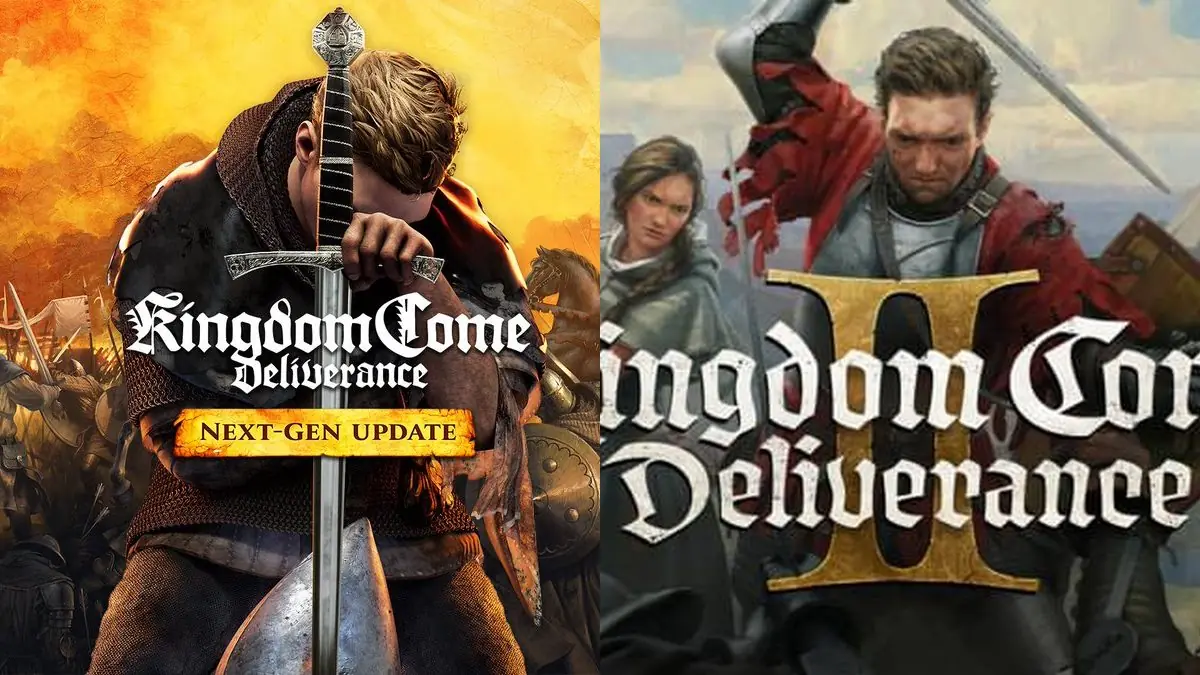
“Some of the best RPGs of the last decade are on or coming to Xbox Game Pass. Kingdom Come Deliverance 1 & 2, The Witcher III: The Wild Hunt, and now CP2077! These RPGs are all fantastic, with story, characters and side quests galore. Really need to check them out 🔥” — @SleepisforT
This enthusiasm reflects a broader shift in how players approach premium gaming content. Meanwhile, the sheer scope of content now available through a single subscription is staggering. The Witcher 3 alone offers over 100 hours of main story and side content. Cyberpunk 2077, despite its rocky launch, has evolved into a sprawling cyberpunk epic that can easily consume 80+ hours. The Kingdom Come Deliverance games add another 120+ hours of medieval simulation.
The timing of these additions is particularly noteworthy from a business perspective. CD Projekt RED has spent years rehabilitating Cyberpunk 2077’s reputation through substantial updates and the acclaimed Phantom Liberty expansion. The game that launched to widespread criticism in 2020 now stands as a testament to post-launch support done right. Its arrival on Game Pass represents both a victory lap for CD Projekt and a strategic win for Microsoft.
Notably, these aren’t just any RPGs. Each title represents a different approach to the genre’s core appeal. The Witcher 3 perfected the art of branching narrative choice within an open world. Cyberpunk 2077 pushed visual fidelity and immersive sim mechanics to new heights. The Kingdom Come Deliverance series carved out a unique niche with its commitment to historical authenticity and systems-driven gameplay.
What makes this collection particularly valuable is the diversity of experiences on offer. Players can transition from Geralt’s monster hunting across the Northern Kingdoms to V’s high-tech heists in Night City, then pivot to Henry’s medieval adventures in Bohemia. Each game demands different skills and offers distinct rewards, yet all share that essential RPG DNA of character progression and meaningful choice.
The economics behind these additions reveal Microsoft’s evolving Game Pass strategy. Rather than focusing solely on day-one exclusives, the service increasingly positions itself as the definitive home for premium gaming experiences. These RPG additions complement Microsoft’s first-party offerings while filling gaps in the catalog’s genre coverage.
Microsoft’s approach here demonstrates a mature understanding of subscriber retention. RPGs, by their nature, create long-term engagement. Players don’t just play these games — they inhabit them. A subscriber who starts The Witcher 3 is likely to remain subscribed for months as they explore every contract and romance option. This creates a stickier subscription model than games designed for quick consumption.
The broader industry implications are worth considering. As subscription services mature, content curation becomes increasingly important. Netflix succeeded not just by offering movies, but by offering the right movies for different audiences. Microsoft appears to be applying similar logic to gaming, building themed collections that serve specific player interests.
For RPG developers, this trend presents both opportunities and challenges. Game Pass offers unprecedented reach for ambitious single-player experiences, but it also changes how players discover and value games. When premium RPGs are available through subscription, the definition of “value” shifts from hours-per-dollar to pure engagement and satisfaction.
Looking ahead, this RPG collection positions Game Pass as essential for any serious fan of the genre. Microsoft has created a compelling answer to the question of where to play the best Western RPGs. As the service continues to evolve, expect more strategic additions that reinforce specific genre strengths.
The success of this RPG push will likely influence future acquisitions and partnerships. If subscriber engagement with these titles proves strong, Microsoft may prioritize similar high-quality, narrative-driven experiences. For players, that means more opportunities to discover exceptional games without the traditional barrier of premium pricing.
For now, Game Pass subscribers have an embarrassment of riches. Three of the decade’s most celebrated RPGs, representing hundreds of hours of carefully crafted content, available for the price of a monthly subscription. It’s a compelling value proposition that demonstrates how subscription gaming can benefit both players and developers when executed thoughtfully.