There’s something beautifully melancholic about watching a gaming community mourn what once was. Like flipping through old photo albums, Xbox fans are finding themselves caught between nostalgia and hope, wondering if their beloved console can ever recapture the magic that made the Xbox 360 era feel so special.
The sentiment bubbled up recently when one fan put words to what many have been feeling. The honest, almost wistful tone struck a chord with Xbox loyalists who remember when their console was the scrappy underdog that could.
“Know it’s unlikely to happen and may not even make financial sense for #Xbox with their marketshare decline and Game Pass sales cannibalisation, but all I’ve ever wanted is for Xbox to go back to 360 era quality and cadence of benchmark pushing exclusives and competition.” — @nib95_
This tweet captures something deeper than just wanting better games. It’s about identity, legacy, and the story Xbox has been telling about itself.
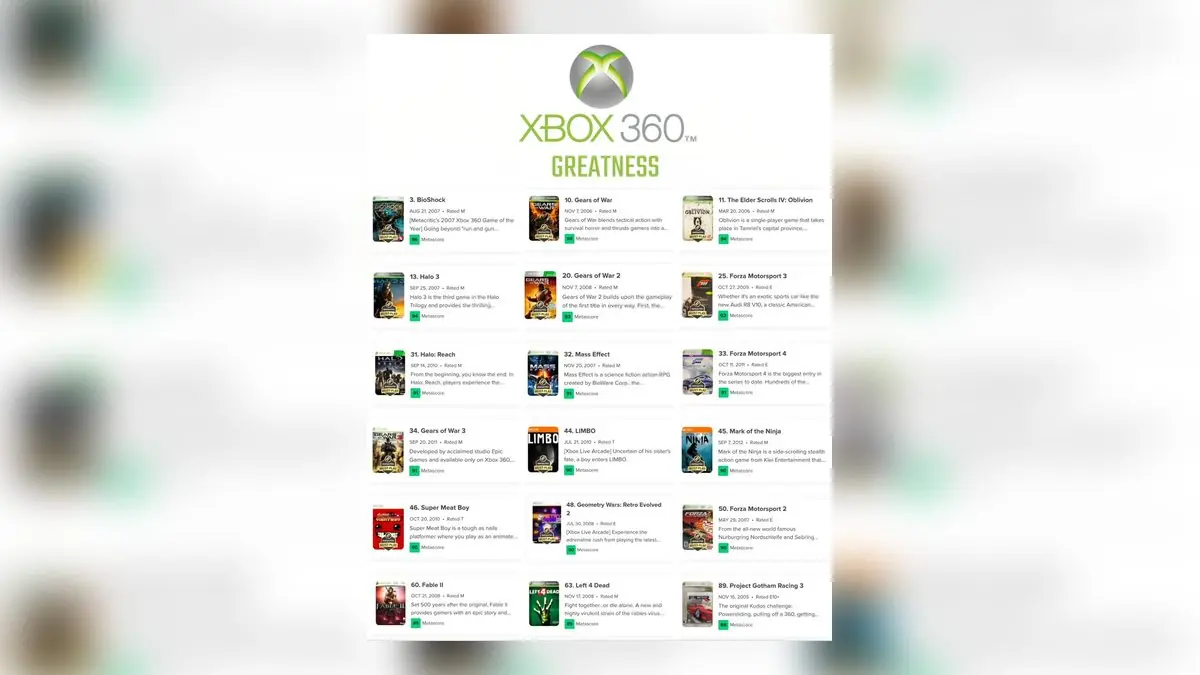
The Xbox 360 era wasn’t just about hardware specs or sales numbers. It was about a console that felt like it had something to prove. Those were the days of Gears of War changing third-person shooters forever, when Halo was still the king of multiplayer, and when Xbox Live felt revolutionary rather than routine. The 360 didn’t just compete with PlayStation — it often outpaced it in the areas that mattered most to hardcore gamers.
That era gave us a steady stream of exclusives that felt essential. Mass Effect before it went multiplatform. Alan Wake’s psychological horror. The original Forza Motorsport games that redefined racing sims. Each game felt like a statement of intent, a reason to choose Xbox over everything else.
Today’s Xbox tells a different story, one that’s arguably more complex but less emotionally satisfying for longtime fans. Game Pass has become the crown jewel of Microsoft’s gaming strategy, offering incredible value that’s genuinely changed how people think about game libraries. You can’t argue with having hundreds of games at your fingertips for the price of a single AAA title.
But value and identity aren’t the same thing. Game Pass’s success brings its own challenges — when players can access everything through subscription, does anyone actually buy games anymore? The economics get murky fast. Why invest huge budgets in exclusive blockbusters when your audience expects them “free” with their monthly subscription?
This creates a fascinating narrative tension. Xbox has arguably never been more consumer-friendly, but it’s also never felt less distinct. The multiplatform strategy means many Xbox “exclusives” end up on PlayStation anyway. Game Pass is brilliant for players but potentially devastating for traditional game sales. It’s like watching a character in a story make all the right moral choices while slowly losing everything that made them special.
The broader gaming landscape has shifted too. Sony doubled down on cinematic single-player experiences that feel like cultural events. Nintendo perfected its family-friendly innovation formula. Xbox found success in services and accessibility, but somewhere along the way, the soul of what made Xbox feel unique got a bit lost in translation.
This isn’t to say modern Xbox is failing. Game Pass subscriber numbers tell a different story, and the company’s commitment to backward compatibility and cross-platform play deserves praise. But there’s something to be said for the fan who just wants their console to feel special again, not just practical.
The financial realities make this complicated. Creating console-exclusive blockbusters in 2026 costs more than ever, and with Xbox’s marketshare challenges, it’s harder to justify those investments. Why spend $200 million on an exclusive when you could put that money into Game Pass content that serves your broader ecosystem?
Yet maybe that’s exactly why fans are yearning for the 360 days. Back then, Xbox felt like it was fighting for something bigger than market efficiency. It was about proving that American-made consoles could compete with Japanese giants, that online gaming could be more than a gimmick, that exclusive games could define a platform’s identity.
Looking ahead, Xbox faces some interesting storytelling choices. Will they lean further into the service model and accept being the “Netflix of gaming”? Or will they find a way to recapture that 360-era magic of must-have exclusives that make people choose Xbox for reasons beyond value?
The next few years will likely determine which story Xbox wants to tell about itself. Whether it’s the tale of a platform that revolutionized how we access games, or the story of a console that remembered what made it special in the first place. Sometimes the most interesting narratives come from characters trying to find their way back home.