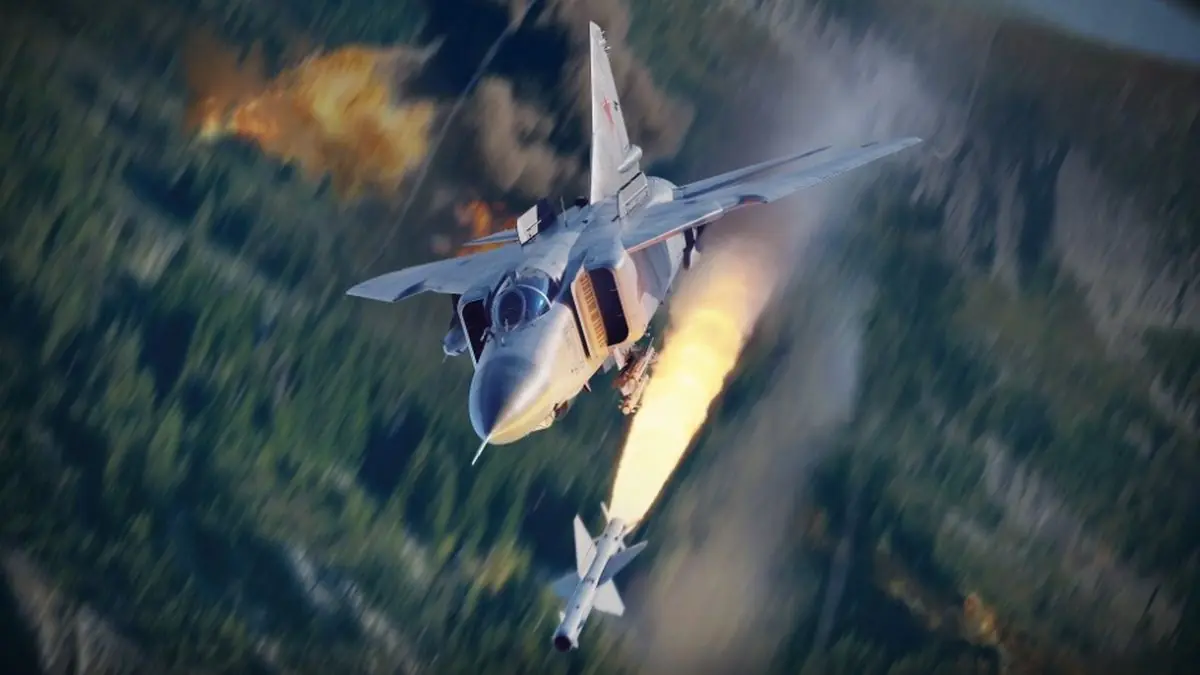
Gaijin Entertainment just dropped War Thunder Update 2.55.1.42, and it’s hitting Nuclear Thunder mode with some serious rebalancing. The big story here isn’t just bug fixes – it’s a fundamental shift in how nuclear weapons work in the game’s most intense mode.
The numbers tell the story best. Nuclear bomb spawn costs got bumped up across the board – 5kt nukes went from 250 to 300 spawn points, while the massive 30kt bombs jumped from 500 to 600 points. That’s a 20% increase that’s going to make players think twice before going for the nuclear option.
“The spawn point cost of 5kt and 30kt nuclear bombs has been increased from 250 and 500 to 300 and 600 spawn points respectively. The team point requirements for entering the first and second escalation stages has been increased from 1000 and 5000 points to 1500 and 6000 points respectively.” — War Thunder Update 2.55.1.42 on Steam
But there’s more to this rebalance than just making nukes more expensive. The escalation system got tightened up too. Teams now need 1500 points instead of 1000 to hit the first escalation stage, and 6000 instead of 5000 for the second stage. These aren’t small tweaks – they’re significant barriers that’ll extend the conventional fighting phase.
Not everyone’s thrilled about these changes. The higher spawn costs mean casual players might struggle to afford nuclear weapons at all. With the escalation requirements bumped up, matches could drag on longer before anyone gets access to the big boom buttons. For players who enjoyed the chaotic nuclear exchanges, this feels like Gaijin putting the fun behind a bigger grind wall.
The spawn point economics get even trickier when you factor in the mission reward rebalancing. Air target rewards got nerfed while ground target rewards got buffed. So not only do nukes cost more, but the traditional air-to-air combat that many players prefer now pays out less. It’s a double hit for fighter pilots.
Here’s what Gaijin’s actually trying to fix: Nuclear Thunder was turning into a nuclear spam fest. Matches were ending too quickly with minimal conventional combat. The old system let teams rush to nuclear weapons without much strategic buildup. These changes force more traditional combined arms warfare before the nuclear endgame kicks in.
The matchmaking improvements matter more than they might seem. Faster queue times mean players spend more time actually playing instead of waiting. The algorithm now prioritizes players who’ve been waiting longest, which should smooth out the player distribution across different battle ratings and modes.
The technical fixes are solid quality-of-life improvements. That Wasp HAS.Mk.1 helicopter bug was a real problem – players would spawn in and immediately crash because of a broken gear strut. The Tu-95M thermal signature fix addresses a balance issue where the bomber was too easy to lock onto with heat-seeking missiles.
What’s interesting is how Gaijin’s balancing philosophy is evolving. Instead of nerfing nuclear weapons directly, they’re making them harder to access. The weapons themselves are just as devastating, but the economic barriers are higher. It’s a more elegant solution than just reducing nuclear damage or blast radius.
The warehouse and anti-aircraft timing changes show attention to map flow too. Warehouse repair time doubled from 5 to 10 minutes, and anti-aircraft respawn time went from 8 to 12 minutes. These seemingly small numbers have big impacts on how battles develop and when players can push certain objectives.
Looking ahead, these changes suggest Gaijin wants Nuclear Thunder to be more of a strategic escalation rather than a race to the biggest weapon. The mode should feel more like a proper military simulation where conventional forces matter before the nuclear option comes into play.
Expect some community pushback in the short term. Players will need time to adjust to the new spawn point economy and longer escalation timers. But if Gaijin’s math is right, Nuclear Thunder should deliver more balanced matches with better buildup to the nuclear finale. The real test will be whether queue times actually improve and if the extended conventional phase feels engaging rather than tedious.