War Thunder just dropped its 14th Steam Community Spotlight, and the longevity of this series tells a bigger story about how smart developers keep their communities engaged year after year.
Gaijin Entertainment’s latest showcase features the usual mix of impressive fan creations — from detailed F-16 and MiG-23 pencil drawings to physical scale models of Tiger tanks. But what’s more interesting is how this represents a textbook case of sustainable community management in the live service era.
“War Thunder Steam Community Spotlight — 14th Edition! The War Thunder Steam Community Management Team have seen some of your fantastic screenshots and artwork uploaded to the Steam Community Hub! Once again, we’ve collected our favorites and wanted to share them with all of you. Want more? Also check out the previous 13 editions for more cool content.” — War Thunder on Steam
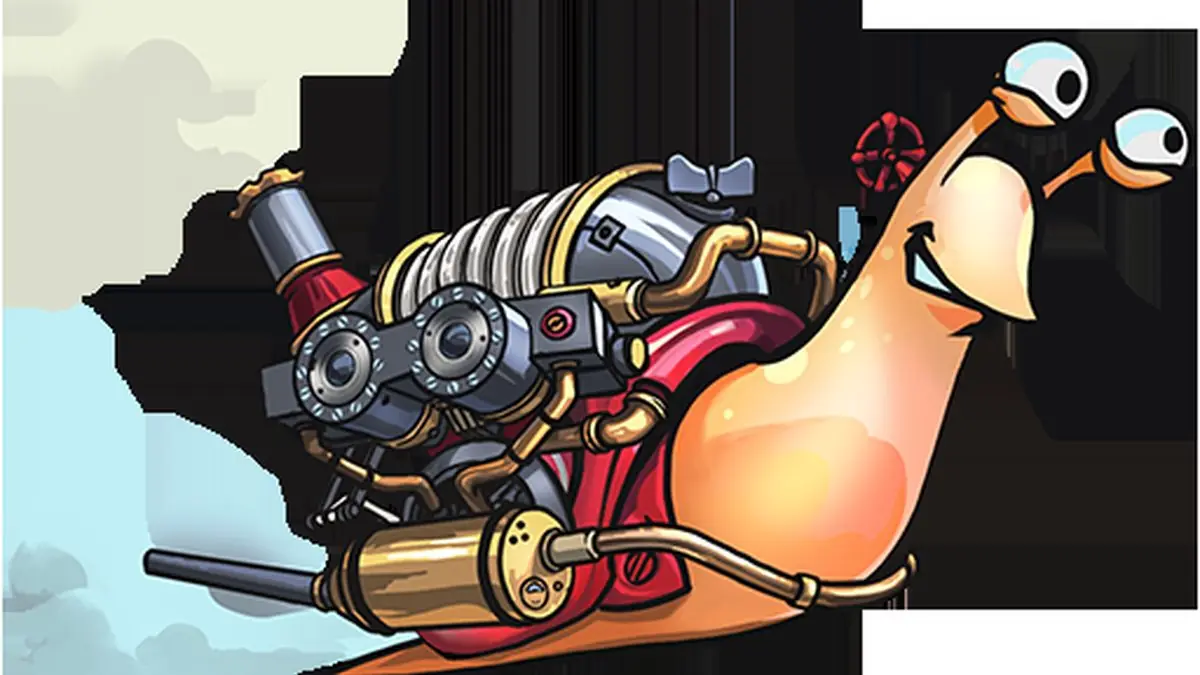
Notably, featured creators don’t just get recognition — they receive the exclusive “Steam Snail” decal for their in-game vehicles. It’s a small gesture that costs Gaijin nothing to implement but creates genuine value for dedicated fans. Meanwhile, the post encourages physical model builders to photograph their creations alongside the same vehicles in-game, bridging the gap between digital and physical collecting communities.
The series itself warrants examination. Fourteen editions suggests this isn’t a marketing stunt but a deliberate, sustained effort. Each spotlight requires minimal resources — a community manager curating submissions and a brief write-up — yet generates consistent engagement and goodwill. For a game that launched in 2012, maintaining this level of community participation speaks to effective long-term strategy.
Of course, cynics might question whether community spotlights mask deeper issues with War Thunder’s progression systems or monetization. The game has faced criticism for its grinding mechanics and premium vehicle pricing over the years. Community showcases, while genuine in their appreciation for fan art, also serve as positive PR that can overshadow more contentious topics. It’s worth noting that happy, engaged communities are less likely to revolt over controversial updates.
The creativity on display remains impressive regardless of corporate motivations. This edition features everything from traditional pencil sketches to a MiG-25 painted on a pebble — the kind of delightfully weird content that emerges when passionate fans have too much time and just the right amount of artistic skill. These aren’t professional artists seeking exposure; they’re players who genuinely love their virtual vehicles enough to recreate them in other mediums.
Meanwhile, the broader gaming industry has taken notice of user-generated content as a retention tool. Epic Games built an empire on Fortnite’s creative modes. Valve’s Steam Workshop monetized community creations. Even traditional single-player studios like Bethesda have learned to embrace modding communities as extended development teams. War Thunder’s approach is more modest but arguably more sustainable — regular recognition rather than complex integration systems.
The physical model angle deserves particular attention. Scale modeling has always existed parallel to gaming, but War Thunder’s community bridges these hobbies explicitly. Players build 1/48 scale F-86F Sabres, then photograph them next to their digital counterparts. It’s a uniquely tactile way to engage with a digital property, and one that creates deeper emotional investment than purely virtual rewards.
Historically, military simulation games have always attracted dedicated communities. From the early days of MicroProse’s Falcon series to modern DCS World, players in this genre tend to be older, more committed, and more willing to invest time in auxiliary activities like research and modeling. Gaijin recognized this demographic and built systems to celebrate it rather than simply exploit it.
Looking ahead, War Thunder’s community spotlight model offers lessons for other live service developers. The key isn’t flashy events or expensive prizes — it’s consistent recognition over time. Fourteen editions suggests Gaijin plans to continue this indefinitely, creating expectation and routine around community participation.
As the live service landscape becomes increasingly crowded, games that foster genuine community connections will have significant advantages over those that rely purely on gameplay loops and monetization psychology. War Thunder’s approach won’t work for every game — battle royales and competitive shooters operate under different social dynamics — but for simulation and hobby games, it represents a proven template.
The 15th edition will likely arrive in a few months, featuring more Tiger tanks, more aircraft sketches, and probably at least one bizarrely creative submission involving household objects. That predictability, rather than being boring, creates comfort and anticipation. In an industry obsessed with disruption and novelty, sometimes the most revolutionary approach is simply showing up consistently.