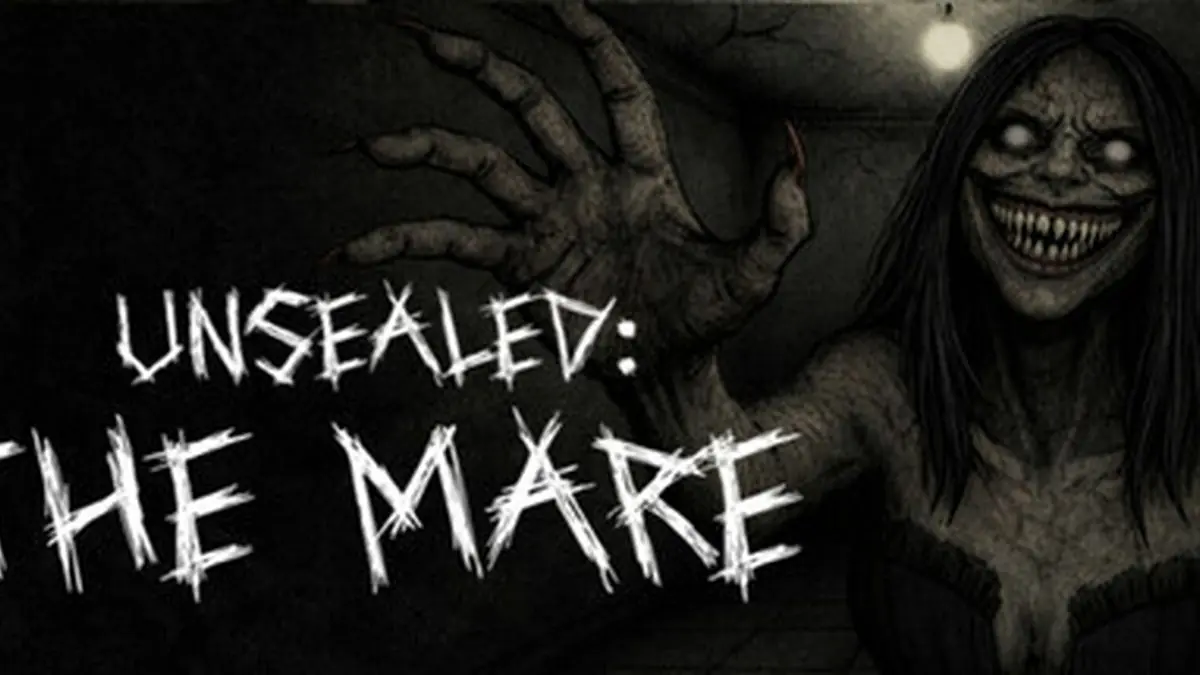
While AAA studios fumble around with sanitized “horror” experiences, the real scares are coming from developers working out of their bedrooms. Unsealed: The Mare just dropped on Steam, and it’s another reminder that indie horror doesn’t need million-dollar budgets to make you sleep with the lights on.
Developer Simon took the smart route — let the community test-drive the nightmare before the full release. The demo phase wasn’t just marketing theater. This was real feedback from real players who actually wanted to see the game succeed.
“Unsealed: The Mare is now available on Steam. Thank you to everyone who played the demo, shared feedback, and followed the game during development. It has been great seeing your playthroughs and reactions over the past months.” — @gamhalla
That’s how you do it. No corporate nonsense about “exceeding expectations” or “delivering value.” Just a developer who actually listened to feedback and built something people wanted to play.
The demo approach is becoming the gold standard for indie horror. Why? Because horror is personal. What scares one player might bore another to tears. Having a community test your scares before launch means you’re not shooting in the dark. You know what works.
Simon’s approach shows what’s right about indie development right now. No focus groups full of suits who’ve never played a horror game. No marketing department demanding jump scares every thirty seconds. Just a developer, a vision, and players willing to dive into something genuinely unsettling.
This matters more than you might think. Steam’s horror section is packed with asset flips and cheap thrills that barely qualify as games. When a developer takes months to refine their work based on actual player feedback, they’re doing something most AAA studios have forgotten how to do.
The horror community has always been tight-knit. Players who love getting scared also love supporting the people who scare them. That’s why demos work so well in this space. Horror fans aren’t just customers — they’re collaborators who want to see the genre evolve.
Independent horror games have been carrying the genre for years now. While big studios chase mainstream appeal, indie devs are free to push boundaries and explore ideas that would never make it past a corporate committee. That creative freedom shows in games like Unsealed: The Mare.
The community-driven development approach also creates better games. When players can influence development through feedback, you get experiences that actually connect with their audience. It’s the opposite of the “build it and they’ll buy it” mentality that’s killed so many promising projects.
Steam’s democratization of game distribution has been huge for horror. Developers like Simon don’t need publisher approval to release their nightmares. They just need players willing to take the plunge. That direct connection between creator and audience is what makes indie horror special.
The timing couldn’t be better either. Horror gaming is having a moment. Players are hungry for experiences that actually take risks. They want games that respect their intelligence and don’t hold their hands through every scare.
What’s impressive about Simon’s launch is the gratitude. In an industry where developers often disappear after launch day, seeing genuine appreciation for community support feels refreshing. It suggests this won’t be a one-and-done release.
The success of games like Unsealed: The Mare also sends a message to bigger studios. Players don’t need photorealistic graphics or celebrity voice actors to be scared. They need atmosphere, tension, and developers who understand what makes horror tick.
Looking ahead, this community-first approach could become the template for indie horror development. Demo, gather feedback, refine, launch. It’s simple, effective, and builds an audience before you even need sales.
For horror fans, Unsealed: The Mare represents something valuable — a game built by someone who cares about scaring you properly. In a genre full of cheap tricks and lazy design, that dedication matters.
The indie horror scene keeps proving that the best scares come from the most unexpected places. While AAA studios play it safe, developers like Simon are keeping the genre’s pulse racing.