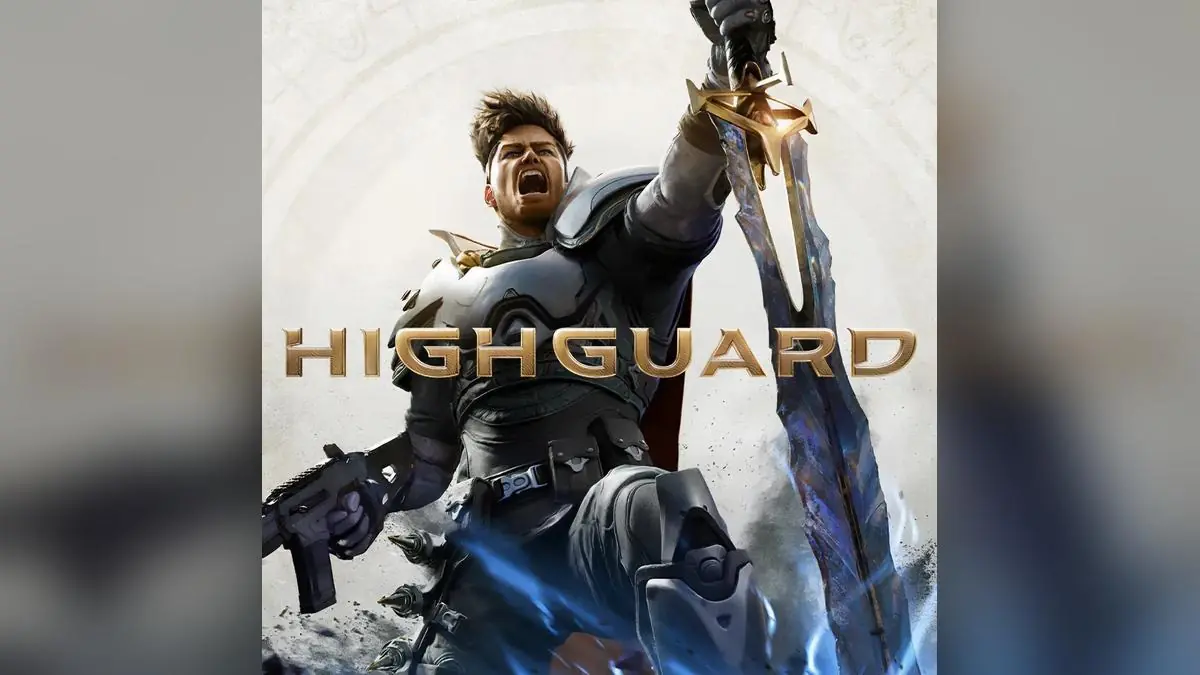
The Game Awards’ official Twitter account tweeted about the future online game and the tweet is pretty simple. The reply from the gaming community on the thread was far from simple, though. It was a whole bunch of doomposting, mayhem, and all that sort of stuff. The negativity was practically omnipresent in the replies and comments. It seems like gamers have lost their trust in all the live-service hero-shooters more or less.
Therefore, the tweet was not fancy, but it did its purpose and just a common hyping-up of the game wafting from the Game Awards account. “Just 1 week until @PlayHighguard release.” Such a typical thing. But a little farther down to the next wall of replies. And what a wall of craziness and destruction they have let open! It is like they opened a floodgate of pure and unfiltered gamer skepticism, and though it is somewhat hilarious it is also like a little pathetic?
The very first comment instantly turns the mood negative: “U killed any chance the game had before it dropped nigga”. Then it continues like that. “No one cares another hero shooter 🤮🤮🤮”. “Dead game on arrival.” “Concord 2.0.” “Concord level failure here we go.” Those comparisons to Concord are so frequent it is like the saying goes. The memory of that game burning out is still alive, and now even before anyone can play it, Highguard is already being treated as if it were a part of the Concord fiasco.
Not quite yet, there are still some more layers to this. One more gamer tells about the situation to such an extent that he has a point: “Crazy that their own account didn’t even post anything about this game, yet TGA is still promoting this.” And he is spot on! I did my check-up. The account of the Highguard developers has been quiet. This is… a week from the launch not very good really? It sounds as if the TGA is calling an empty place, not even the creators of the game are there.
Then comes the aspect of conspiracy theories, which I am very much fond of. One gamer asking “how much money does Geoff have invested in the game?” implies that The Game Awards host Geoff Keighley shares a financial stake. However, in the very answers to this question, another one comes with a bombshell from the journalist Paul Tassi: “Have learned that Highguard did not actually pay for that Game Awards finale spot. Was just the show putting it there.” So, if this is indeed the case, TGA chose to give this game its cherished last reveal slot… free of charge. This, in turn, makes the present reaction even more embarrassing for them. They gambled on this horse and the audience is already booing it out.
The wit in the jokes is so much but still rather creative. “Just 2 weeks until the servers shutdown” and “1 year until the servers get shut down” get a reply: “bold to assume a year”. Others prefer to express their views through gifs like one of a coffin. Someone else suggests it would be funnier if Highguard was a fake game, a “psyop” and when it releases we actually get Half-Life 3. One could argue that the wishful thinking is strong with this one, but it still shows just how little faith people have in the proposed product.
Amidst the hate, there’s a tiny bit of positivity? One of the users calls it like this: “highguard looks like they could solo a dark souls boss, what a legend ⚔️”. But it is like a lone flower in a cement parking lot of negativity. It is totally isolated. Another user shares wistfully, “Titanfall 3 would’ve been an endless money glitch”, which just serves to underscore that this is not the game that the people wanted.
So what’s up? Why the immediate and visceral aversion? The fact that it is a hero shooter in a saturated market is not the only reason—though this also contributes to it. The sentiment seems to be that it is like a perfect storm: the failure of the Concord ghost, the odd non-promotion from the developers themselves, and the reveal that was maybe not very “earned” in the eyes of many viewers. The trust of the gaming community is a delicate thing and it is very hard to resuscitate when a game’s first big impression is met with a collective “meh” or, worse yet, a “noice.” Gamers are weary of the whole first product and then game selling-to-them on platforms like Xbox.
Thus, the case of Highguard becomes a very clear lesson about the relationship between modern game marketing and community perception. Being in the spotlight of a major showcase does not guarantee anything if the game itself is not able to reach and touch the players in a very basic way. The very quick and brutally