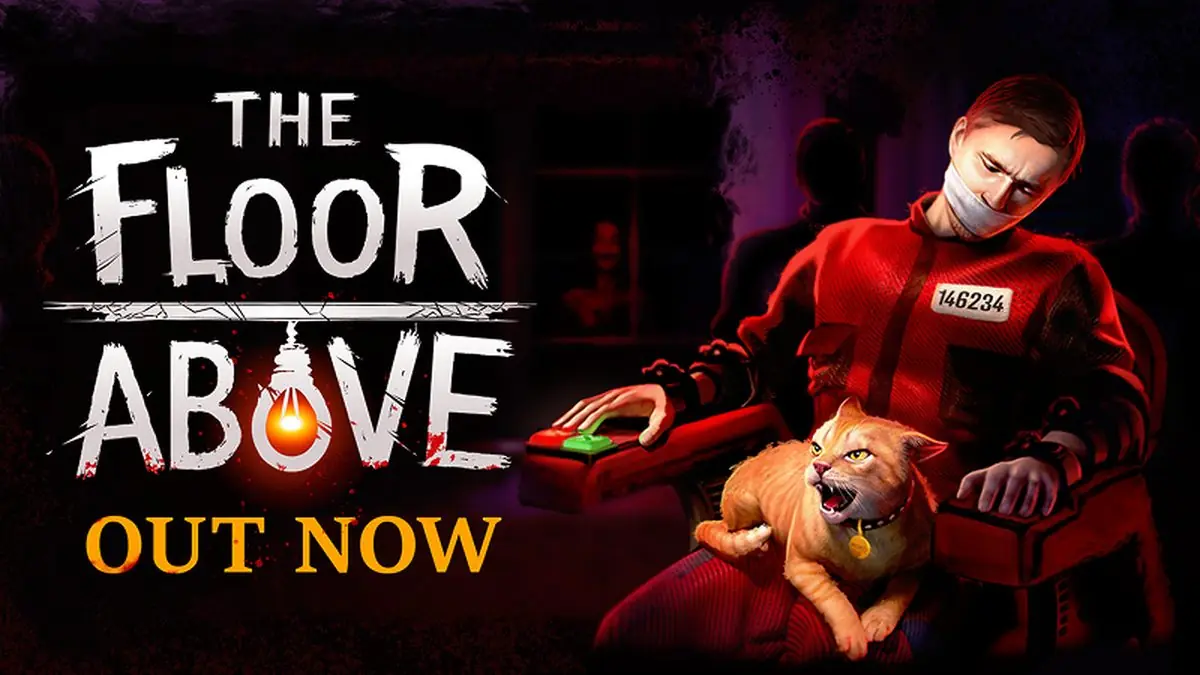
Another day, another indie horror game hitting Steam. But here’s the thing — The Floor Above might actually deserve your attention.
While most horror games are throwing cheap jumpscares at you faster than a carnival haunted house, developer Kaltsifer spent a full year with their 8-person team building something that sounds different. They’re calling it story-driven anomaly-spotting, which is either genius or pretentious. We’ll find out which.
“We’re happy to say it — The Floor Above is out now on Steam! This game has been a huge journey for our team. A team of 8 people built this project entirely on our own over the course of a full year. We spent that time shaping its atmosphere, story, anomalies, and all the small details that make this world feel unsettling, strange, and alive.” — The Floor Above on Steam
That’s refreshing honesty right there. No corporate speak about “innovative gameplay experiences” or “cutting-edge graphics.” Just a small team saying they worked hard for a year and built something they’re proud of.
What sets The Floor Above apart from the endless parade of horror games isn’t just the anomaly-spotting mechanics. It’s that the developers actually seem to understand what makes horror work. They’re not relying on loud noises and gore. They’re going for that slow-burn psychological stuff that gets under your skin.
The game throws you into tense, claustrophobic situations where every detail matters. That’s horror done right. Not the lazy “monster jumps out of locker” approach that floods Steam every week. These developers get that real fear comes from atmosphere and anticipation, not shock value.
Think about it — anomaly-spotting as a horror mechanic is brilliant when done right. Your brain is constantly scanning for what’s wrong, what’s different, what shouldn’t be there. That hyper-awareness creates natural tension without needing orchestrated scares every five minutes.
The year-long development cycle tells its own story. Most indie horror games feel rushed, like someone had a cool idea over the weekend and threw it together in Unity. Eight people spending 12 months on atmospheric details and story beats? That’s the kind of commitment that usually results in something worth playing.
Kaltsifer didn’t just dump this on Steam and run either. They’re actively asking for feedback, offering Discord support, and being transparent about wanting to polish things further. That’s how you treat your audience with respect instead of like walking wallets.
The demo strategy was smart too. Let people actually try your game before asking for money. Novel concept in 2026, apparently. Building community support during development instead of relying on hype marketing and pre-order pressure.
The bigger picture here is that indie horror is in a weird place right now. Steam is drowning in low-effort horror games that all feel the same. Generic abandoned buildings, flickering lights, predictable monster encounters. The Floor Above sounds like it’s trying to break that mold.
Horror works best when it respects the player’s intelligence. When it builds genuine dread instead of manufacturing cheap thrills. When atmosphere matters more than asset flips and jump scare timers. If Kaltsifer pulled that off, they deserve success.
The trilogy angle is interesting too. They’re planning The Cassandra Show as the next entry, plus one more “secret game” to complete the series. That shows long-term vision instead of just making a quick buck and moving on.
Building a horror trilogy takes guts in the indie space. Most developers can barely finish one game, let alone plan a connected series. But if The Floor Above delivers on its promises, there’s definitely an audience hungry for thoughtful horror experiences.
The real test will be whether the game lives up to the developer’s description. “Tense, claustrophobic, and deeply story-driven” sounds great on paper. But execution is everything in horror. One poorly paced section or lazy scare can ruin the whole experience.
What’s next depends entirely on how players respond to The Floor Above. If it finds its audience, we might see a new standard for indie horror storytelling. If it doesn’t, it’ll join the pile of well-intentioned games that nobody remembers.
Either way, Kaltsifer earned respect for taking the hard path. Spending a year crafting atmosphere and story instead of rushing out another generic horror experience. That’s the kind of approach that deserves attention in a market flooded with lazy alternatives.