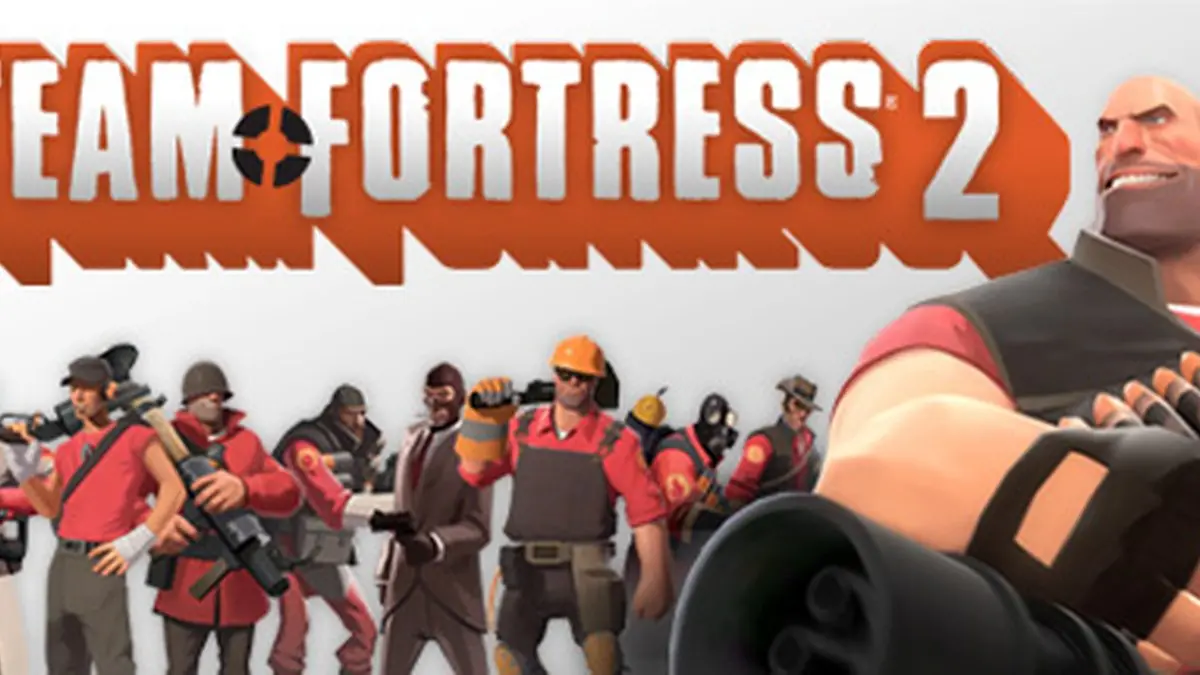
Team Fortress 2’s competitive scene is getting a notable boost with MGE.tf’s latest announcement. The grassroots league is expanding its reach across three continents while adding new competition formats that could reshape how players approach the game’s skill development.
The announcement reveals a comprehensive expansion that speaks to TF2’s enduring appeal in competitive circles. MGE.tf is launching both 1v1 and 2v2 leagues across North America, Europe, and a newly added Asia region. This geographic expansion signals something significant: nearly two decades after release, Team Fortress 2 still commands enough global interest to justify structured competition across multiple time zones.
“MGE.tf is launching a new season with the addition of 1v1 competition and the debut of a new region: Asia! Players will now be able to compete in both 1v1 and 2v2 leagues across North America, Europe, and Asia!” — MGE.tf League on Steam
The league’s approach to skill-based matchmaking deserves attention. Rather than throwing newcomers into the deep end with seasoned veterans, MGE.tf promises weekly deathmatch games against opponents of similar skill levels. This structured environment creates pathways for improvement that benefit everyone from casual players looking to sharpen their aim to professional competitors maintaining their edge.
Meanwhile, the addition of 1v1 competition alongside the existing 2v2 format addresses a fundamental aspect of TF2’s skill development. One-on-one encounters strip away team dynamics and map control complexities, focusing purely on mechanical skill and individual decision-making. This granular approach to competition reflects a mature understanding of how players actually improve at Team Fortress 2.
The prize structure—cash awards and medals—indicates serious investment in the competitive ecosystem. While MGE.tf hasn’t disclosed specific prize amounts, the combination of monetary rewards and recognition symbols suggests they’re building something sustainable rather than running a one-off tournament.
What makes this announcement particularly interesting is its timing. Team Fortress 2 occupies a unique position in gaming: it’s simultaneously considered a legacy title and an active competitive game. Valve’s minimal updates haven’t stopped dedicated communities from organizing their own competitive structures. MGE.tf’s expansion represents the kind of grassroots organization that keeps older games vibrant.
Notably, the league’s multi-divisional structure acknowledges Team Fortress 2’s broad skill range. Unlike newer games with built-in ranking systems, TF2 relies on community-driven solutions for competitive matchmaking. MGE.tf’s approach creates formal ladders where previously only informal scrimmages existed.
The Asia region addition is particularly significant from an industry perspective. While North American and European TF2 scenes have maintained consistent activity, Asia’s inclusion suggests untapped competitive interest in regions often associated with different gaming preferences. This geographic diversification could provide valuable data about TF2’s global competitive potential.
From a broader competitive gaming standpoint, MGE.tf’s expansion illustrates an important trend: community-driven leagues filling gaps left by official support. While Valve focuses on other projects, dedicated players are creating their own competitive infrastructure. This self-sustaining ecosystem demonstrates remarkable resilience.
The league’s emphasis on mechanical skill development through deathmatch formats also reflects competitive gaming’s evolution. Modern esports often emphasize team coordination and strategic depth, but mechanical proficiency remains foundational. MGE.tf’s focus on aim duels and movement skills addresses this fundamental layer.
Looking ahead, this expansion could serve as a template for other aging competitive games. The combination of global reach, skill-based divisions, and meaningful rewards creates a framework that could work across different titles facing similar community-driven competitive scenes.
For Team Fortress 2 specifically, MGE.tf’s growth might attract players who’ve drifted toward newer titles. The promise of structured competition with appropriate skill matching addresses one of the biggest barriers to entry in legacy competitive games: the intimidation factor of facing vastly superior opponents.
Signups are currently open, and the league’s Discord community is actively recruiting. Whether this expansion succeeds depends largely on sustained participation, but the infrastructure appears solid. MGE.tf has created something rare in gaming: a competitive environment that serves both newcomers seeking improvement and veterans maintaining their skills.
The real test will be whether Asia’s competitive TF2 community materializes as hoped, and whether the 1v1 format generates the kind of engagement MGE.tf is betting on. If successful, this expansion could demonstrate that community-driven competition can thrive even when official support wanes.