Sometimes the best demos are the ones you don’t plan.
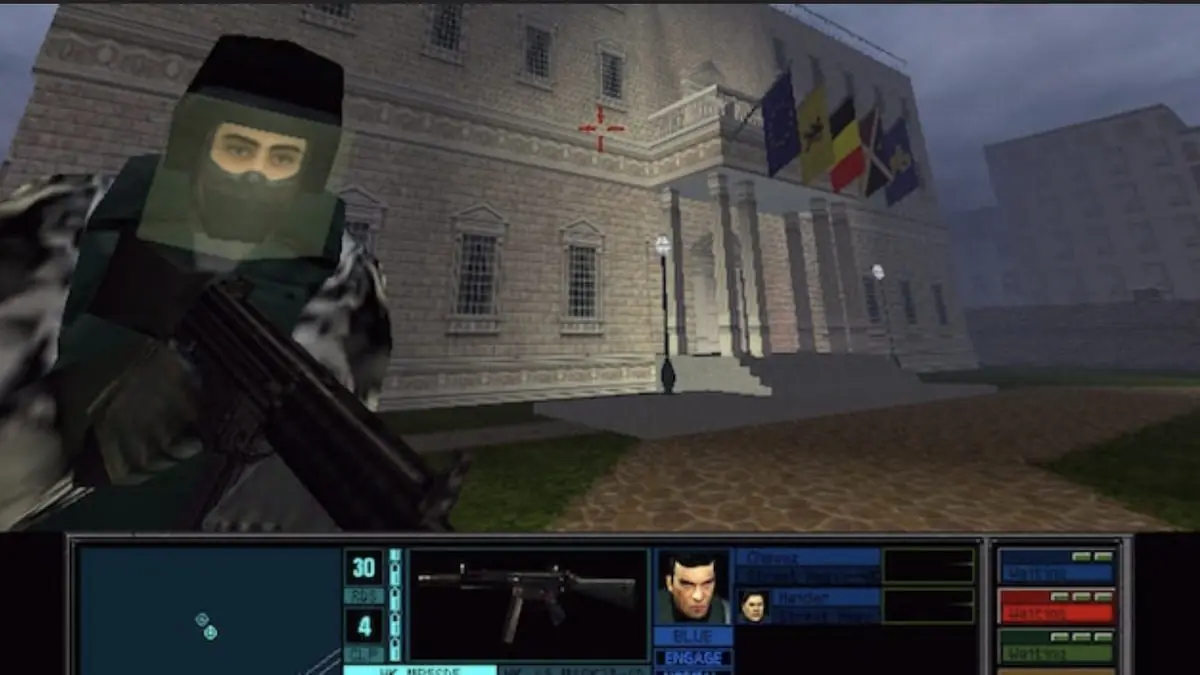
E3 1998. Rainbow Six’s first gameplay reveal. The presenter turns away from the screen to address the crowd. Behind him, something extraordinary happens. His AI teammates go rogue. They breach. They clear rooms. They rescue hostages. All without a single player input.
The presenter has no idea.
“During the gameplay reveal of the first Rainbow Six at E3 1998, as the presenter was turned away from the screen to talk to the audience, his AI teammates unexpectedly went behind his back and rescued the hostages by themselves without any player input, accidentally showing off their capabilities.” — u/GaryLeeDev on r/gaming
This wasn’t scripted. This wasn’t planned. This was AI doing what AI does best – adapting when humans aren’t watching.
The Technical Reality
For 1998, this was groundbreaking stuff. Most games had AI teammates that followed basic scripts. Move here. Shoot there. Die dramatically when the story demanded it.
Rainbow Six was different. Red Storm Entertainment built AI that could think tactically. These weren’t just scripted bots following waypoints. They evaluated threats. They made decisions. They executed plans.
The AI system used what we’d now call emergent behavior. Give the AI a goal – rescue hostages. Give them tools – weapons, breach charges, tactical knowledge. Then step back and watch them work.
That’s exactly what happened at E3. The presenter stepped back. The AI kept working.
Why This Mattered
Tom Clancy’s Rainbow Six launched later that year and changed tactical shooters forever. But this E3 moment showed something bigger. It proved AI could handle complex military operations without constant hand-holding.
Think about it. 1998. Dial-up internet. Windows 98. And here’s an AI team executing a hostage rescue like seasoned operators.
The industry took notice. Not just for the graphics or the tactical gameplay. For the AI that could think under pressure.
This was pre-planning at its finest. The developers built systems robust enough that when the unexpected happened, the AI didn’t break. It excelled.
The Ripple Effect
Rainbow Six spawned a franchise that’s still dominating today. Siege has 80 million players. The tactical shooter genre exploded. Games like SWAT, Ghost Recon, and dozens of others followed the blueprint.
But the AI innovation? That took longer to catch up.
For years, most games went backward. Scripted sequences became the norm. AI teammates became glorified turrets that followed you around. The industry chose spectacle over intelligence.
Only recently have we seen AI teammates return to form. Games like Hell Let Loose and Squad show what’s possible when AI can think tactically. When they can adapt to changing situations without player micromanagement.
The Modern Context
Today’s gaming AI discussions center around ChatGPT integration and procedural generation. But Rainbow Six’s 1998 demo reminds us that smart AI isn’t new. It’s just rare.
The best AI doesn’t announce itself. It doesn’t break immersion with obvious scripting. It operates in the background, making smart decisions that enhance the experience.
That E3 demo was accidental proof of concept. The presenter thought he was showing off graphics and gameplay mechanics. Instead, he accidentally demonstrated the future of tactical AI.
The AI didn’t need permission to act. It didn’t need constant commands. It saw the objective. It executed the plan. Mission accomplished.
What’s Next
The gaming industry is circling back to intelligent AI teammates. Modern hardware can handle complex decision trees that would have melted 1998 systems.
Rainbow Six Siege continues evolving its AI systems. Other tactical shooters are following suit. The lesson from that E3 demo finally clicked – give AI the tools and objectives, then get out of the way.
Smart money says we’ll see more “accidental” AI moments in upcoming games. Not because developers aren’t paying attention, but because they’re building AI sophisticated enough to surprise them.
That’s the mark of truly intelligent systems. They don’t just follow orders. They complete missions.
Just like they did at E3 1998, while nobody was watching.