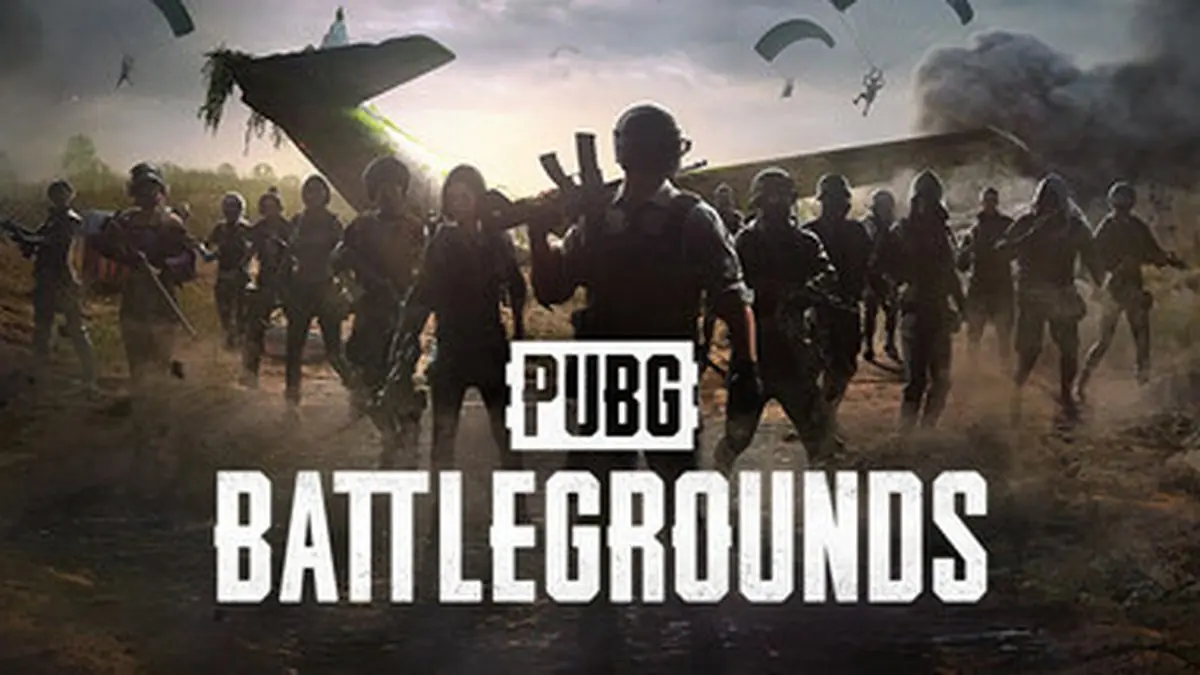
PUBG just dropped the biggest change to competitive battlegrounds in years. Today marks the start of PUBG Global Series 1, and they’re scrapping the old playbook entirely.
No more standalone tournaments. No more reset-and-forget format. This is warfare with consequences that carry forward.
Twenty-four teams from around the world touched down in Seoul for something PUBG has never attempted before. A three-week connected circuit where your performance in week one matters in week three. Your positioning in Series 1 determines your seeding in Series 2. Your accumulated results across two weeks decide who makes the Grand Finals.
It’s tactical evolution in real time.
“PUBG Global Series 1 – Day 1 (Group Stage A/B) PGS 1 is about to kick off at pubg_battlegrounds – Twitch! Tune in on March 18th from: 05:00 UTC / 06:00 CET / 12:00 ICT / 22:00 PDT Tune in live to earn drops on Twitch and Kick: 30 minutes: 9th Anniversary Flamin’ Cake (Spray) 60 minutes: 9th Anniversary Cake & Confetti (Name Plate) 90 minutes: 9th Anniversary Holo Cat Ears The 2026 PUBG Esports season is here. For the first time, PUBG Global Series (PGS) introduces a Circuit format — three series linked together as one circuit, where three consecutive weeks of competition tell a single, connected story.” — @krafton_eoin
The hype around this format change has been building for months. PUBG needed something to separate it from the pack of battle royale esports. This circuit system delivers exactly that.
Viewers get rewarded for sticking around too. Thirty minutes nets you a spray. Sixty minutes gets you a nameplate. Ninety minutes unlocks those anniversary cat ears everyone’s going to want.
Smart move tying rewards to watch time. Keeps engagement high during those crucial early matches.
But not everyone’s sold on the changes. The venue situation in Seongsu means no live audience for any of the three weeks. That’s a massive blow to the atmosphere.
PUBG events thrive on crowd energy. The tension builds different when you can hear fans losing their minds over a perfect grenade throw or clutch finish. Streaming-only format feels clinical by comparison.
The three-week commitment also creates problems for casual viewers. Following storylines across multiple series requires dedication most fans don’t have. You miss week two and suddenly you’re lost on why certain teams are seeded where they are.
Format complexity could hurt accessibility. PUBG esports already fights an uphill battle for mainstream attention.
This circuit system represents PUBG’s biggest swing at long-term competitive relevance. Traditional esports formats work for games with established scenes. PUBG needed differentiation.
The connected narrative concept makes sense strategically. Instead of 12 separate tournaments this year, you get four major storylines. Teams that stumble early can build momentum across weeks. Dominant squads face increasing pressure as accumulated points matter more.
It mirrors real military campaigns better than single-engagement tournaments. Sustained performance under pressure. Adaptation based on intelligence from previous encounters. Resource management across extended operations.
The Seoul location choice shows commitment to the Asian market where PUBG still dominates. Korean esports infrastructure remains unmatched. Production values should be pristine even without live crowds.
Twenty-four teams means tight competition from day one. No easy group stage matches. No throwaway games. Every engagement counts toward circuit standings.
The schedule hits different too. Five days for Series 1, then four days each for Series 2 and the Finals. Condensed format keeps momentum rolling without viewer fatigue.
Series 1 runs March 18-22. Teams start from zero and fight through multiple stages to establish opening standings. No reputation carries over. Pure performance matters.
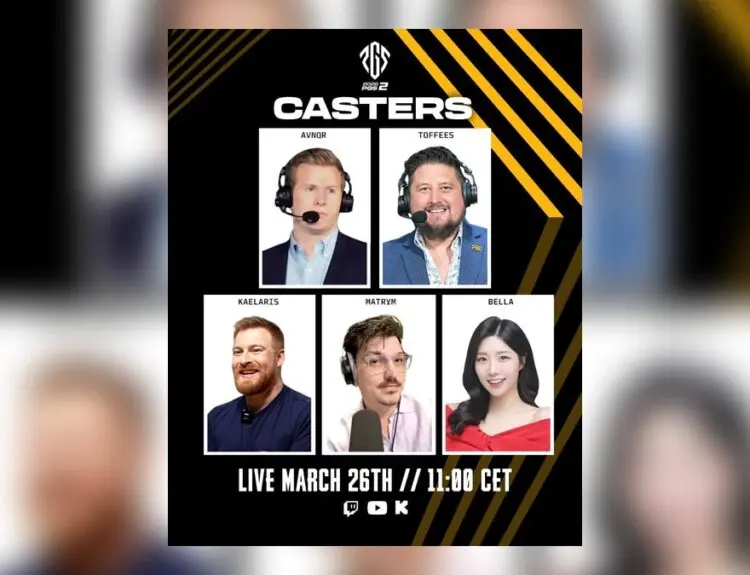
Series 2 launches March 26-29. Week one results determine seeding. Teams get another shot to climb or risk falling further behind. Pressure builds.
Series Finals hit April 2-5. Two weeks of accumulated results become decisive. Sixteen teams battle for the Circuit Championship. Everything on the line.
Three more circuits follow this pattern throughout 2026. Four major storylines instead of twelve forgettable tournaments.
If this works, other battle royales will copy the format within two years. If it fails, PUBG’s esports scene takes a massive hit.
No middle ground here. Bold moves demand bold results.
Tune in today at 05:00 UTC. History’s being written in Seongsu.