
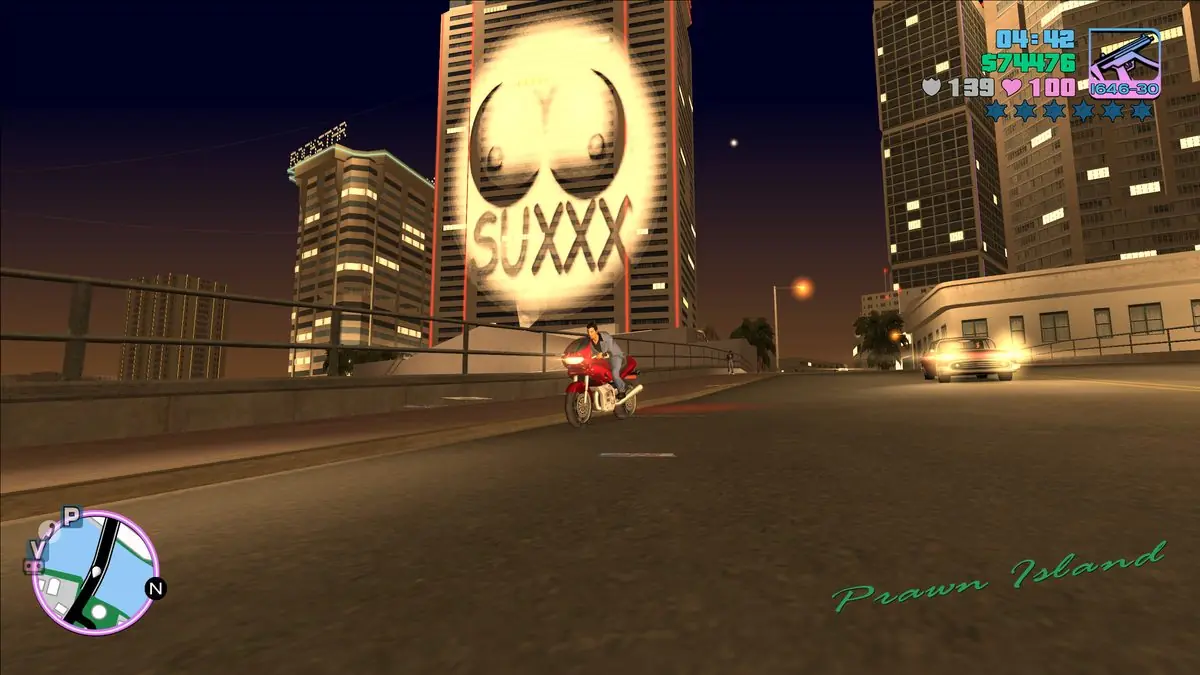
Sometimes a simple Reddit post captures what thousands of gamers are thinking but can’t quite put into words. That’s exactly what happened when one user dropped a perfectly concise observation about Rockstar Games that sent the gaming community into a collective nod of agreement.
Advertisement
“Old R* games were a different vibe man” — u/t-2yrs on r/gaming
That single sentence managed to sum up what many longtime gamers have been feeling about one of the industry’s most iconic developers. The post, while brief, tapped into a growing sentiment that Rockstar’s golden era output—think Vice City, San Andreas, and the original Red Dead Redemption—possessed something intangible that recent releases seem to lack.
The nostalgia isn’t just rose-colored glasses talking. There’s something fundamentally different about how Rockstar approached game design in the 2000s compared to today. Those earlier titles embraced a scrappy, experimental energy that prioritized atmosphere and cultural commentary over technical perfection. Vice City didn’t just recreate the 1980s—it distilled the decade’s essence into pure digital cocaine, complete with neon-soaked streets and a soundtrack that became more famous than some actual 80s albums.
San Andreas, meanwhile, represented peak creative ambition. The game threw everything at the wall to see what stuck: gang warfare, casino heists, jetpack missions, and a protagonist whose journey from small-time hood to Las Vegas kingpin felt genuinely transformative. The technical limitations of the PS2 era actually worked in the game’s favor, forcing developers to prioritize creativity over photorealism.
Modern Rockstar operates under vastly different constraints. Red Dead Redemption 2 and GTA V represent technical masterpieces, but they also reflect a studio that’s become perhaps too conscious of its own legacy. Every animation is meticulously crafted, every system painstakingly detailed, and every piece of content focus-tested to death. The result is undeniably impressive, but it lacks the raw creative energy that made earlier games feel like cultural events rather than just entertainment products.
The shift reflects broader industry trends that extend far beyond Rockstar. As game development budgets skyrocketed into the hundreds of millions, creative risk-taking became increasingly rare. Studios that once built their reputations on bold creative swings now find themselves trapped by shareholder expectations and the need to guarantee massive returns on equally massive investments.
This phenomenon isn’t unique to gaming. Hollywood experienced a similar transformation as blockbuster budgets grew, leading to safer, more formulaic approaches to storytelling. The difference is that games, as an interactive medium, suffer more acutely when creative ambition gets sanded down by corporate oversight.
Notably, the gaming community’s nostalgia for classic Rockstar titles also reflects changing player expectations. Gamers who grew up with Vice City and San Andreas developed their tastes during an era when technical limitations forced developers to prioritize style and personality. Today’s players, raised on photorealistic graphics and massive open worlds, may not fully appreciate the focused creative vision that characterized earlier releases.
The irony is that Rockstar’s current success may be working against them creatively. GTA V has sold over 190 million copies and continues generating billions in revenue through GTA Online. Why take creative risks when the current formula prints money? This commercial success creates a feedback loop where innovation gets discouraged in favor of proven approaches.
Meanwhile, smaller studios have begun filling the creative void left by risk-averse AAA developers. Games like Disco Elysium and Kentucky Route Zero capture some of that experimental spirit that once defined Rockstar’s output, proving that audiences still hunger for bold creative vision.
The challenge facing modern Rockstar—and the industry at large—is finding ways to balance commercial stability with creative ambition. The studio’s upcoming projects will likely determine whether they can recapture that elusive “different vibe” or remain trapped by their own success.
Whether Rockstar can rediscover its creative edge remains an open question. The studio has the talent and resources to create groundbreaking experiences, but corporate pressures and fan expectations create a complex web of constraints. Perhaps the next generation of developers, raised on those classic titles, will find ways to blend modern technical capabilities with the fearless creativity that made old Rockstar games feel special.
Until then, that Reddit post will continue resonating with gamers who remember when Rockstar Games felt less like a corporate juggernaut and more like a group of rebellious artists using video games to comment on American culture. Sometimes the simplest observations cut deepest.