Remember the pure joy of playing Mario Kart with your siblings? The laughter, the friendly rivalry, the satisfaction of nailing that perfect drift around Rainbow Road? Well, if you’re in Brazil, those memories just got a whole lot more complicated.
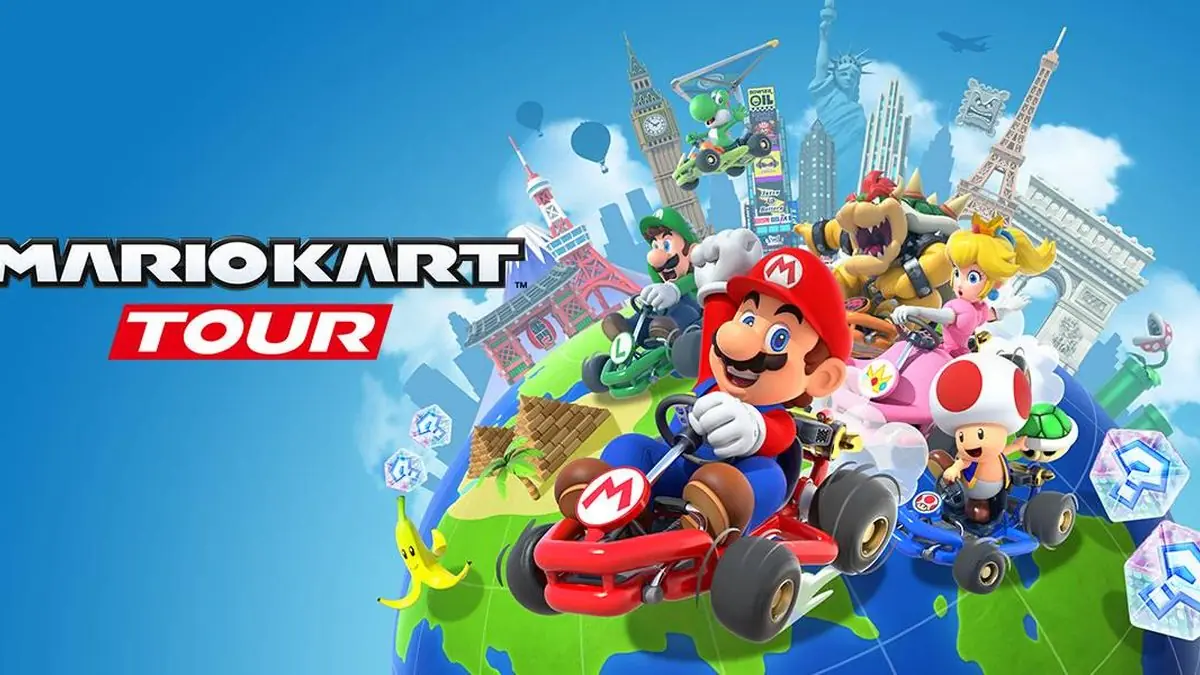
Mario Kart Tour, Nintendo’s mobile take on the beloved racing franchise, has received something no Mario game should ever get: an 18+ age rating. Yes, you read that right. The same game where you throw banana peels at Bowser is now considered adults-only material in Brazil.
“Mario Kart Tour Is Now An 18+ Game In Brazil Thanks To Age Rating System” — u/PaiDuck on r/gaming
This news hit the gaming community like a blue shell in first place. How does a game about cartoon characters racing go-karts end up with the same rating as mature content? The answer lies in Brazil’s unique approach to game classification, but that doesn’t make it any less bizarre.
For those of us who grew up with Mario Kart, this feels deeply wrong. These games have always been the perfect bridge between generations. I still remember my first time playing Super Mario Kart on SNES with my dad, both of us laughing as we bumped each other off the track. Mario Kart isn’t just a game – it’s a family tradition.
The franchise has spent over 30 years building its reputation as the ultimate family-friendly competitive experience. From local multiplayer sessions that turned living rooms into race tracks, to the pure chaos of eight-player matches in Mario Kart 8 Deluxe, these games have always been about bringing people together. They’re designed to be accessible to everyone, from young kids learning their first video game to grandparents discovering the joy of gaming.
Seeing Mario Kart Tour labeled as 18+ feels like watching your childhood friend suddenly become a stranger. The game features the same colorful characters, the same whimsical tracks, and the same gentle competition that made the series special. Nothing about the core gameplay suggests it needs an adult rating.
The real culprit here is the complexity of international rating systems. What’s considered appropriate for all ages in one country can somehow become restricted content in another. Brazil’s age rating system operates differently from the familiar ESRB ratings most of us know, leading to these head-scratching situations.
This isn’t just about one mobile game getting a weird rating. It’s about how we think about family gaming in a global world. When a universally beloved franchise like Mario Kart can suddenly become “adults-only” due to bureaucratic differences, it highlights how fragmented our approach to game classification really is.
The timing makes this even more frustrating. We’re living in a golden age of family gaming, with more options than ever for parents and kids to play together. Games like Animal Crossing, Minecraft, and yes, Mario Kart, have shown that family-friendly doesn’t mean boring or simple. They’re sophisticated experiences that work for all skill levels.
For Brazilian families, this rating creates an unnecessary barrier. Parents who want to share their love of Mario Kart with their children now face confusion about why their favorite racing game is suddenly inappropriate. Kids who see Mario characters everywhere – in movies, toys, and other games – can’t understand why they can’t play this particular version.
The mobile gaming landscape already struggles with perception issues. Many console gamers view mobile games as inferior or overly monetized. Having a flagship Nintendo mobile game receive an adult rating only adds to that negative perception, suggesting there’s something inherently problematic about mobile Mario Kart.
This situation also raises questions about consistency in global game distribution. As more games launch simultaneously worldwide, these rating discrepancies become more problematic. Developers need clearer international standards to avoid situations where their family-friendly content gets miscategorized.
Looking ahead, this could set a concerning precedent. If Mario Kart – one of gaming’s most wholesome franchises – can receive an adult rating somewhere, what does that mean for other family games? Will developers start self-censoring to avoid similar classification issues?
The hope is that common sense prevails and this rating gets reviewed. Mario Kart Tour deserves to maintain its family-friendly status everywhere. These games work best when everyone can play together, sharing in the joy and frustration that only comes from a perfectly timed shell or a last-second comeback victory.
Until then, Brazilian Mario Kart fans will have to navigate this confusing situation. Just remember – no matter what the rating says, the spirit of Mario Kart remains unchanged: pure, joyful competition that brings out the kid in all of us.