The gaming world feels like it’s splitting into two parallel universes right now, and Marathon sits right at the center of this reality rift. On one side, you’ve got critics singing its praises like it’s the second coming of Halo. On the other, there’s a growing wave of pre-launch controversy that’s got the community more divided than Star Wars fans debating the sequel trilogy.
This isn’t your typical “game good, people mad” situation. We’re looking at something that feels almost unprecedented – a complete disconnect between the people paid to review games and the folks who’ll actually be playing them. It’s like watching two different species observe the same phenomenon and come to totally opposite conclusions.
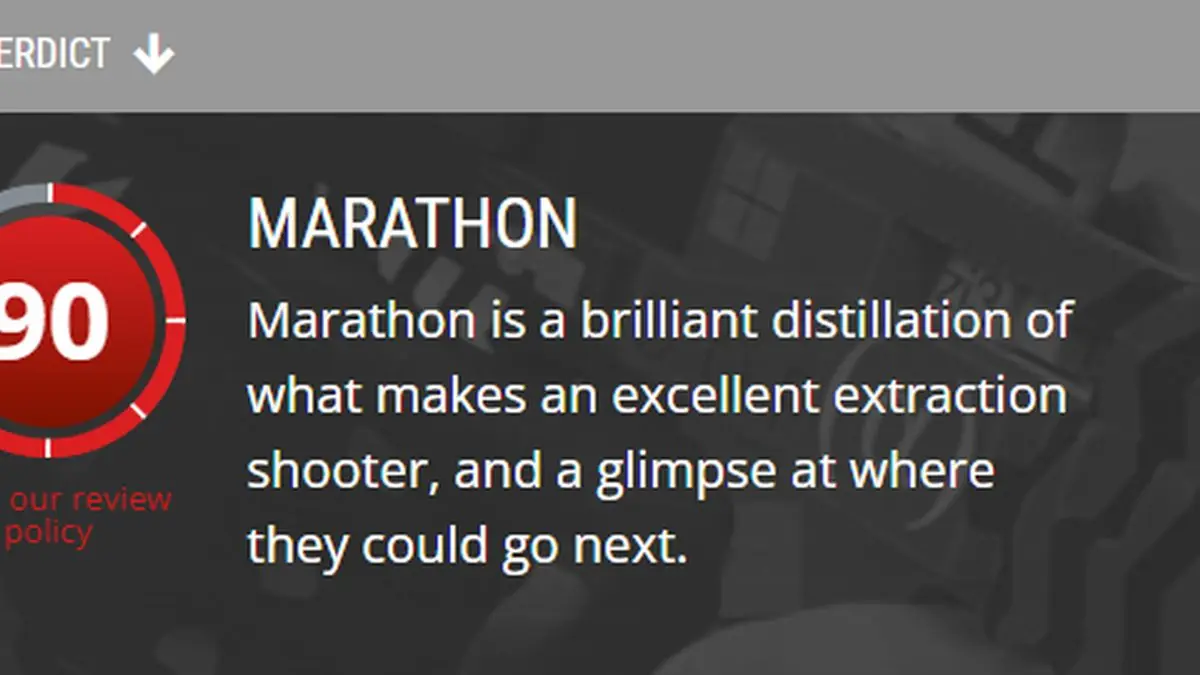
The critics are absolutely loving what they’re seeing from Marathon. And we’re not talking about lukewarm appreciation here – these are the kinds of scores that make publishers break out the champagne.
“dude i fucking wish marathon wasnt shrouded in controvercy before release. Universally all ACTUAL critics (not just the people who suck at fps games) have given the game an incredibly high review score and have said it scratches an itch many games dont.” — @MuItimach
That distinction between “actual critics” and casual FPS players is doing some heavy lifting here. It suggests Marathon might be targeting a very specific audience – the kind of players who appreciate deeper mechanics and world-building over pure twitch reflexes. Think less Call of Duty, more System Shock.
But here’s where things get interesting from a sci-fi perspective. Marathon has always been about complex narratives and cerebral gameplay. This isn’t a franchise that’s ever pandered to the masses. It’s the thinking person’s shooter, the kind of game that makes you question reality while you’re blasting aliens. So maybe this divide was always inevitable.
The controversy swirling around the game before launch feels like something straight out of a cyberpunk novel. We’ve got this information war happening in real-time, where different factions are looking at the same data and reaching completely different conclusions. The critics see innovation and depth. The community sees… well, we’re still trying to figure out exactly what’s got them so worked up.
Part of this might be the modern gaming landscape itself. We’re living in an era where every game announcement gets dissected frame by frame, where communities form opinions months before anyone’s actually played the thing. It’s like pre-crime from Minority Report, except instead of stopping murders, we’re predicting whether games will suck.
The fact that critics are calling this game something that “scratches an itch many games don’t” is actually pretty exciting if you’re into the weird, experimental side of gaming. The FPS genre has been stuck in a loop for years, churning out variations on the same theme. If Marathon really is doing something different, something that requires a more refined palate to appreciate, that could be exactly what the genre needs.
This whole situation reminds me of when Blade Runner first came out. Critics understood its vision and complexity, but audiences initially found it slow and confusing. Now it’s considered one of the greatest sci-fi films ever made. Sometimes the stuff that feels weird or challenging at first is exactly what pushes the medium forward.
The gaming industry has been craving something genuinely innovative for years. We’ve had plenty of technical improvements – better graphics, smoother framerates, more realistic physics – but true conceptual innovation has been rare. If Marathon is really offering that kind of experience, the initial resistance makes perfect sense.
Looking ahead, this divide is going to be fascinating to watch unfold. Will the critics be proven right when the game actually launches? Will the community concerns turn out to be valid? Or will we get something more complex – a game that’s genuinely brilliant but only appeals to a specific subset of players?
The truth is, we might be witnessing the birth of a new kind of gaming experience. Something that doesn’t fit neatly into existing categories or expectations. In the sci-fi world, we call those paradigm shifts. They’re messy, controversial, and often misunderstood at first. But they’re also how we get our most memorable and influential works.
Marathon’s launch is going to be a real test case for where gaming is headed. Are we ready for experiences that challenge our assumptions about what shooters can be? Or will the community resistance prove that sometimes, trying to revolutionize a beloved genre just isn’t worth the risk?
Either way, we’re about to find out if the critics or the community had the better read on this one. And honestly? That’s the kind of uncertainty that makes gaming feel alive again.