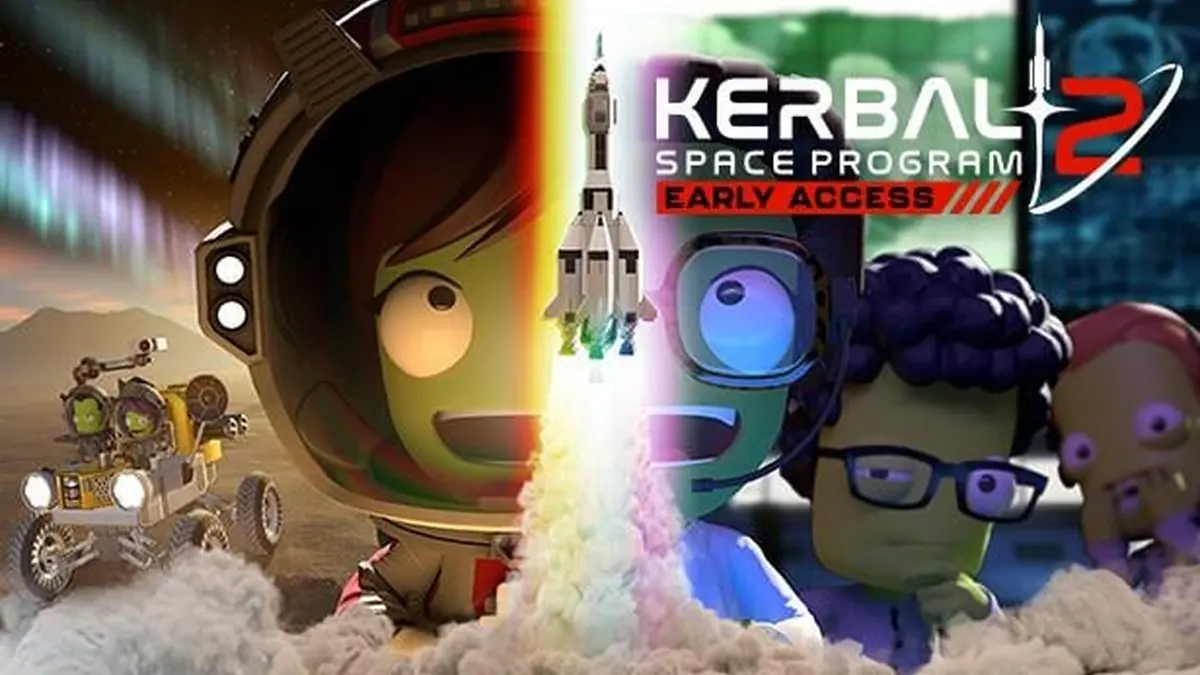
Ladies and gentlemen, we’ve got a situation brewing on Steam that’s got the gaming community fired up. Picture this: you’re browsing the store, spot Kerbal Space Program 2 for fifty bucks, and think “Hey, Early Access space sim, let’s build some rockets!” But here’s the kicker — the team that was supposed to finish this game packed up and went home nearly two years ago.
That’s right, folks. We’re looking at a classic case of what happens when the refs aren’t watching the field. KSP2 is still sitting pretty on Steam’s digital shelves with that $49.99 price tag, complete with all the Early Access promises that’ll never see the light of day.
Now, you might be wondering how this play even made it past the defensive line. The studio behind KSP2 shut down in June 2024 — that’s game over, season finished, lights out. But somehow, this digital ghost is still suiting up every day, ready to take your money for a game that’s essentially been benched permanently.
The community’s not taking this lying down. Over on Reddit, players are calling out what they see as a massive foul on Steam’s part. One user really broke it down for us:
“Nearly two years since its studio closed, Kerbal Space Program 2 is still $50 with an unchanged EA roadmap on Steam. Despite the studio being closed in June 2024 and the last update being pushed around that time, KSP 2 is not only still listed on steam but is being sold full price.” — u/Merker6 on r/pcgaming
That’s the kind of straight talk we need more of in this industry. They’re pointing out something that should have every consumer’s alarm bells ringing — Steam’s only telling potential buyers about this dead-in-the-water situation through tiny print that shows how long it’s been since the last update. That’s like announcing a trade in the fine print of a hot dog wrapper.
Here’s where it gets really frustrating for fans. The Early Access roadmap is still there, unchanged, like a playbook from a coach who’s already left for another team. New players looking at this game have no clear warning that development has flatlined. They see “Early Access” and think “work in progress,” not “permanently abandoned.”
This isn’t just about one space sim, though. This is about the integrity of the entire Early Access program. Steam created this system to give developers a shot at funding their dreams while building something amazing with community feedback. But when publishers can just leave games hanging without consequence, it turns the whole thing into a rigged match.
Think about it from a business perspective — if you were running a sports league, would you let teams keep selling season tickets after they’d already disbanded? That’s essentially what’s happening here. The IP holders are still collecting revenue from a product they know will never be completed.
The bigger picture here is massive. Early Access has become a huge part of PC gaming’s ecosystem. When it works, it’s beautiful — developers get the resources they need, players get to shape the games they love, and everyone wins. But cases like KSP2 are like dirty plays that make fans lose faith in the whole sport.
Steam needs to step up their game here. They’ve got the power to protect consumers by requiring clear disclosure when development has stopped, removing misleading roadmaps, or even pulling abandoned titles from sale entirely. Right now, they’re essentially letting publishers run plays after the whistle has blown.
The community deserves better than this. When players drop fifty dollars on an Early Access title, they’re making an investment in a game’s future. They’re not buying a finished product — they’re buying a promise. And when that promise gets broken without consequence, it damages trust across the entire platform.
Looking ahead, this situation could force Valve’s hand on Early Access reforms. Consumer protection agencies are starting to pay attention to digital storefronts, and cases like this could spark regulatory action if the platform doesn’t self-regulate.
For now, players need to stay sharp when browsing Early Access titles. Check those update dates, research the developers, and remember — if something seems too good to be true at full price, it probably is. The KSP2 situation is a reminder that in the digital marketplace, buyer beware isn’t just good advice — it’s essential survival strategy.
The ball’s in Steam’s court now. Time to see if they’ll make the right call.