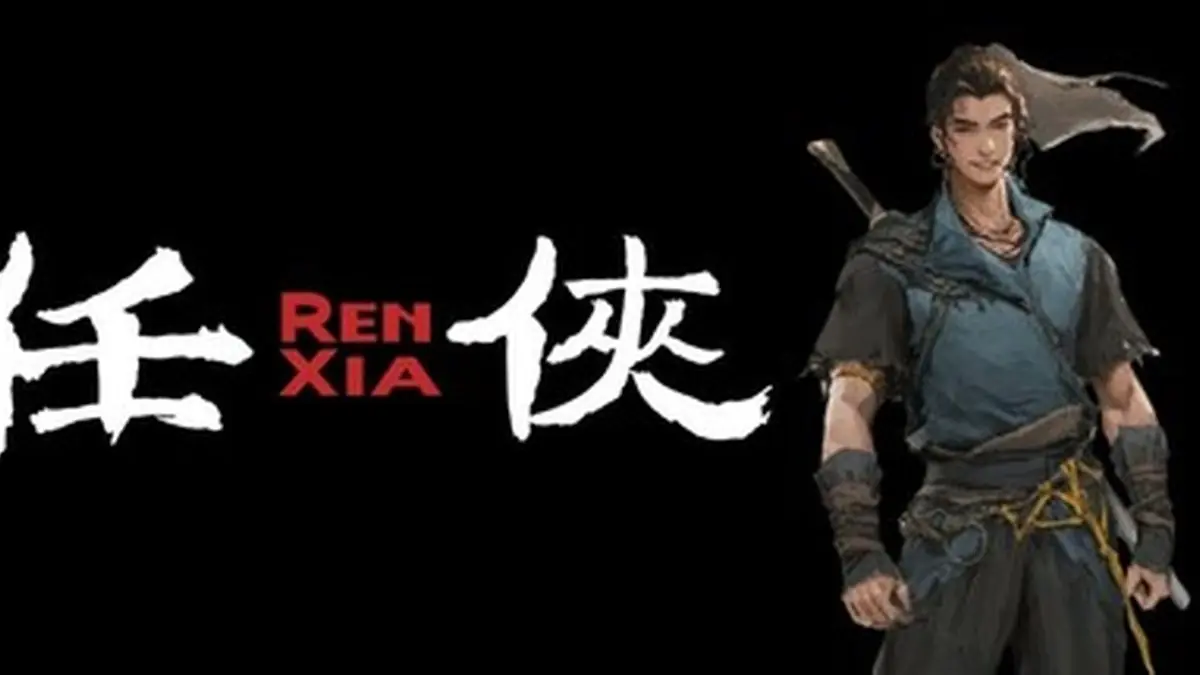
When was the last time you saw a game developer write “I’m not good enough” in an official update? That’s exactly what happened this week when YSY, the creator of indie game Renxia, posted one of the most brutally honest developer updates we’ve ever seen.
Instead of corporate PR speak or empty promises, YSY laid out every single problem with their game. Black screen freezes at startup? They admit their technical skills aren’t strong enough to fix it yet. Confusing gameplay mechanics? They own up to weak design guidance as a personal shortcoming.
This level of honesty is almost unheard of in gaming. Most developers would bury these issues in patch notes or blame external factors. But YSY took a different approach that’s got the gaming community talking.
“Due to my limited technical skills and the time constraints of the project, there is a chance that the game may get stuck at the very beginning window and freeze on a non-responsive black screen when starting up. The solution is to try opening it several times… I have spent a considerable amount of time trying to solve this issue, but haven’t been able to find a satisfactory solution. For now, I can only ask for your patience. I’m truly sorry!” — Renxia on Steam
What makes this update special isn’t just the honesty about technical problems. YSY also explains their design philosophy in a way that makes you understand why some things feel difficult or unclear. They intentionally made guidance weak because they want players to explore and discover things naturally.
That takes guts. In an era where games often hold your hand through every single mechanic, YSY is saying “figure it out yourself” — and then immediately admitting they haven’t executed that vision perfectly yet.
The developer doesn’t try to hide behind excuses either. They straight up say the interaction guidance is weak because “I haven’t been able to achieve a good enough design.” When’s the last time you heard that kind of self-reflection from someone selling you a product?
Of course, being honest about problems doesn’t magically fix them. Players still have to deal with that annoying black screen freeze. YSY recommends trying to launch the game multiple times, which isn’t exactly the smooth experience we all want.
The controller recommendation is another red flag for some players. Not everyone has a controller handy, and being told the mouse and keyboard experience is subpar after buying the game can sting.
But here’s what’s different about YSY’s approach — they’re not making excuses or pretending these aren’t real issues. They’re acknowledging that yes, this sucks, and yes, they’re working on it.
This kind of transparency is exactly what indie gaming needs more of. We’re used to developers either staying silent about problems or spinning them as “features.” YSY is showing us what it looks like when someone actually cares more about their players than their image.
The gaming industry has a trust problem right now. Too many broken launches, too many empty promises, too many developers who disappear when things go wrong. YSY is doing the opposite — staying present, being honest, and owning their mistakes.
It also shows us how hard indie game development really is. YSY isn’t backed by a huge studio with unlimited resources. They’re one person trying to make something cool while learning as they go. That context doesn’t excuse the problems, but it helps us understand why they exist.
The fact that YSY ends their update with encouragement (“You can definitely do it!”) while still being realistic about the challenges shows they genuinely care about their players’ experience. They want people to succeed with their game, even if the game isn’t perfect yet.
This approach could set a new standard for how indie developers communicate with their communities. Instead of radio silence or corporate speak, we could have more honest conversations about what’s working, what isn’t, and what developers are actually capable of fixing.
YSY has committed to “keep optimizing continuously” and “continue to learn and strive to become better.” Those aren’t empty promises — they’re goals from someone who’s already shown they’ll be honest about whether they’re meeting them.
If you’re thinking about checking out Renxia, go in with realistic expectations. You might need to restart it a few times, you’ll definitely want a controller, and you’ll need to figure some things out on your own.
But you’ll also be supporting a developer who respects you enough to tell you the truth. In today’s gaming landscape, that might be worth more than a perfect launch.